









-
An air purifier should make breathing easier. When it stops working as expected, the indoor air quality suffers. According to the EPA, Americans spend about 90 percent of their time indoors, where pollutant concentrations can be 2 to 5 times higher than outdoors. If an air purifier has become ineffective, pinpointing the problem is the first step toward breathing cleaner air again.
Why Air Purifiers Sometimes Fall Short

-
Air purifiers are designed to quietly improve indoor air quality, yet performance issues are more common than many people expect. Daily habits, room conditions, and overlooked settings all affect how well a unit functions. Understanding these factors makes it easier to identify problems early and restore effective air cleaning before indoor pollutants build up.
Reason 1: Your Filter Is Clogged or Dirty
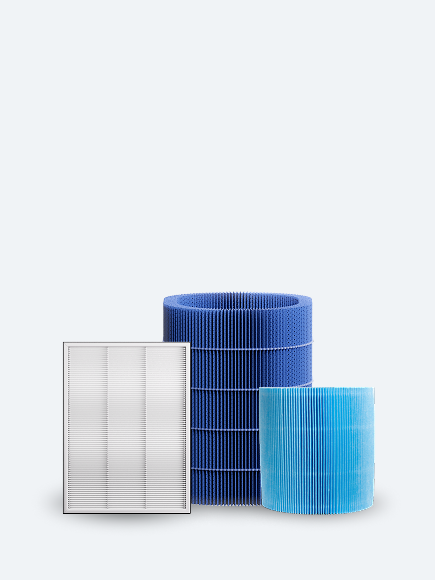
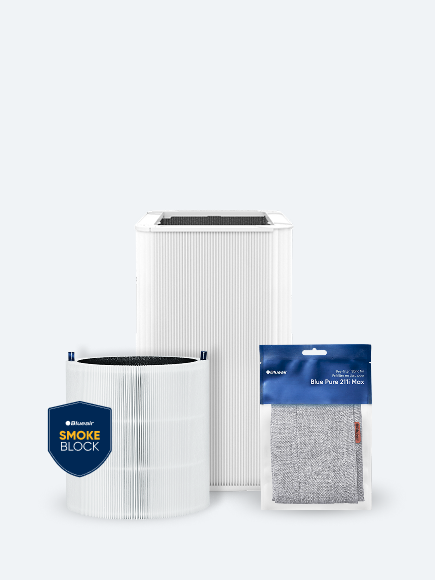
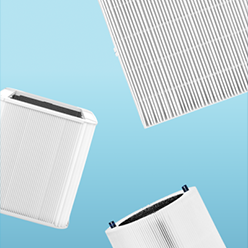
A clogged filter is the most common reason an air purifier loses effectiveness. As the unit works, particles like dust, pet dander, pollen, and smoke accumulate on the filter surface. Over time, a dirty filter restricts airflow and reduces purification performance.
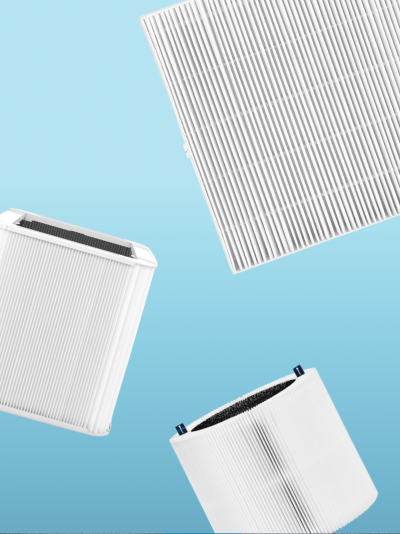
Check the filter indicator light if the unit has one. Most air purifier filters need replacement every 6 to 12 months, depending on usage and home air quality. For homes with pets or allergy sufferers, replacement may be needed more frequently. When replacing filters, choose the correct type for the specific unit model to ensure optimal performance.
Reason 2: The Purifier Is Undersized for the Room
An undersized air purifier cannot cycle and clean air quickly enough to make a noticeable difference. A unit rated for 200 square feet won't effectively clean a 400-square-foot bedroom. The Clean Air Delivery Rate (CADR) tells how much air a purifier can filter per minute. Matching the unit's capacity to the actual room size is essential for real results.
For guidance on selecting the right size air purifier, check the manufacturer's room size recommendations. Larger spaces may require units with higher CADR ratings or multiple smaller purifiers strategically placed throughout the home.
Reason 3: Poor Placement Is Blocking Airflow
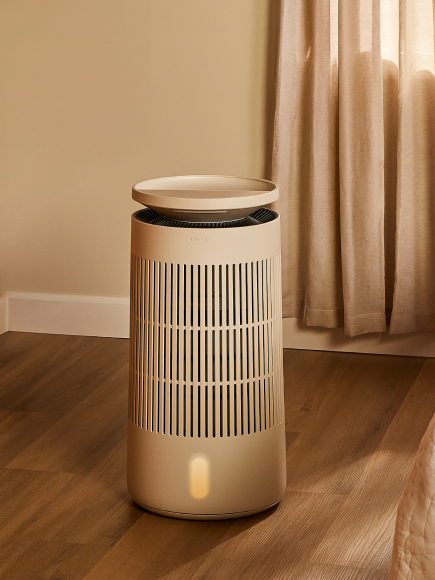
Where an air purifier sits affects how well it works. Corners, cramped spaces, and areas blocked by furniture prevent proper air circulation. The unit needs clear space on all sides to draw in contaminated air and push out clean air effectively.
Position the air purifier at least 12 inches away from walls and furniture. Avoid placing it in corners where airflow is restricted. Keep the intake and exhaust vents completely unobstructed. For small rooms or apartments, elevating the unit on a table or shelf improves air circulation and effectiveness.
Reason 4: Fan Speed Is Set Too Low
Running an air purifier on low fan speed saves energy but may not provide enough air circulation for active purification. Low settings work for maintenance once the air is already clean, not for initial air cleaning. Many purifiers have an auto mode that adjusts fan speed based on detected air quality, which balances performance with noise levels.
Increase fan speed during times when indoor air quality is poor or when cooking releases particles into the air. Running at higher settings for a few hours when first arriving home or after opening windows helps restore air quality faster.
Reason 5: Power or Electrical Issues
Sometimes the problem is simple: a loose plug or damaged power cord. Electrical issues can cause a purifier to stop working suddenly or behave unpredictably. These problems are usually easy to fix before assuming the unit is broken.
Check that the power cord is firmly plugged into the outlet. Test the outlet with another device to confirm it's working. If the outlet is controlled by a wall switch, verify the switch is turned on. Inspect the power cord for visible damage or fraying. Try a different outlet before concluding the purifier itself is defective.
Reason 6: Incorrect Timer or Settings
Modern air purifiers often include timers, schedules, and various operating modes. An incorrectly programmed timer might be shutting off the purifier when it's needed most. This is particularly common in smart-enabled units that can be controlled through an app.
Review timer settings in the app or on the control panel. Disable sleep timers if continuous operation is desired. Check the user manual for specific instructions on resetting features or clearing programmed schedules. If settings were recently changed, returning to factory defaults often resolves mysterious behavior.
Reason 7: The Unit Needs a Reset or Repair
Electronic components can occasionally malfunction, especially in smart purifiers with sensors and WiFi connectivity. A simple reset often resolves unexplained issues. If a purifier stops working despite checking the basics above, a reset might restore proper function.
Unplug the purifier for 10 minutes, then plug it back in. Verify that the filter is properly seated, as many units have safety features preventing operation when filters are misaligned. If the unit has an app, check for firmware updates. When problems persist after troubleshooting, contact customer support to determine whether warranty service is available.
Quick Troubleshooting Checklist
Before calling for service, work through these steps:
- Is the filter clean and properly installed?
- Is the purifier sized correctly for the room?
- Is it positioned away from walls and obstructions?
- Is the fan speed set appropriately for current conditions?
- Is the power connection secure?
- Have you tried unplugging and resetting the unit?
FAQs
How do I know if my air purifier is actually working?
Stand close to the purifier exhaust vent and feel for steady airflow. Models with air quality indicators or app displays show real-time readings of particle levels. Over time, surfaces around the home should accumulate less dust, and allergy symptoms may improve.
How often should I replace my air purifier filter?
Most filters need replacement every 6 to 12 months, depending on usage and home air quality. Pet owners, allergy sufferers, and those in high-pollution areas may need to replace filters more frequently. Blueair purifiers with HEPASilent™ technology include filter replacement indicators that track actual usage rather than calendar time.
Can humidity affect my air purifier's performance?
Yes. High humidity can reduce filter efficiency by causing moisture to accumulate in the filter material. When home humidity regularly exceeds 60 percent, consider using a dehumidifier alongside the air purifier for optimal performance.
Why does my air purifier smell bad?
A musty or unpleasant odor usually indicates a dirty filter that needs replacement. In some cases, mold or bacteria may have accumulated if a filter was exposed to excess moisture. Replace the filter and inspect the unit's interior for any visible contamination.
Should I run my air purifier 24/7?
For best results, yes. Continuous operation ensures pollutants are constantly being removed from indoor air. Modern Blueair air purifiers are designed for energy-efficient, quiet operation around the clock, using less electricity than a standard light bulb.