









-
Air purifiers and humidifiers both sit in a room and do something to the air, but they solve entirely different problems. Buying the wrong one means spending money and still feeling uncomfortable. Here is a clear breakdown.
What an Air Purifier Does

-
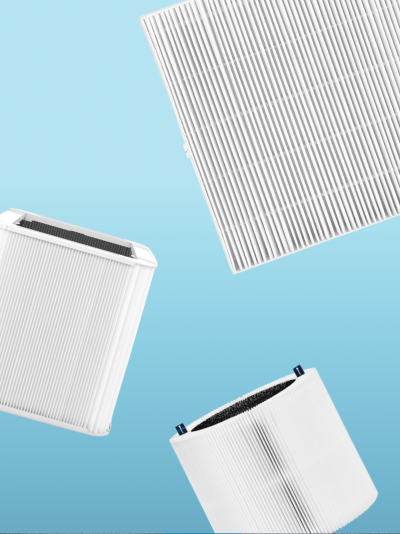
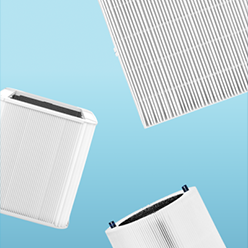
An air purifier pulls room air through a series of filters and pushes clean air back out. The filters capture particles, allergens, and pollutants so they stay trapped rather than being inhaled. A quality air purifier with true HEPA filtration removes 99.97% of airborne particles down to 0.1 microns, including dust, pollen, pet dander, mold spores, and smoke.
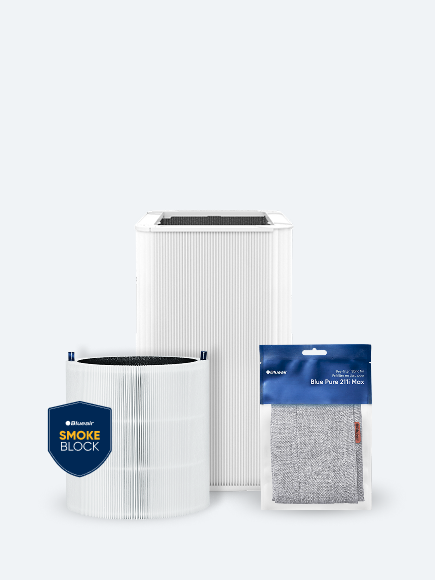
Some models use a combination of mechanical HEPA filtration and electrostatic filtration (called HEPASilent™ technology) to capture fine particles while keeping noise and energy use lower than traditional HEPA-only designs. Activated carbon layers in the filter also absorb odors and volatile organic compounds (VOCs) from cooking, cleaning products, and off-gassing furniture.
An air purifier does not change the moisture level in the air.
What a Humidifier Does

-
A humidifier adds water vapor to the air, raising the relative humidity in a room. Humidifiers do not filter anything. Air goes in, and moisture-enriched air comes out.
Dry air is a real problem in many American homes, especially during winter when heating systems strip indoor air of moisture. Low humidity dries out nasal passages, worsens congestion, irritates skin, and can make allergy and asthma symptoms more difficult to manage. A humidifier brings the moisture level back up to a comfortable range.
A humidifier does not clean or filter the air.
When an Air Purifier Is the Right Choice
An air purifier makes the most sense for households dealing with allergies or asthma triggered by dust, pollen, pet dander, or mold. The same goes for homes with lingering odors from cooking, smoke, or pets, visible dust buildup even after regular cleaning, poor outdoor air quality from wildfire smoke or traffic pollution entering the home, or anyone with respiratory sensitivities.
A HEPA air purifier delivers the biggest improvement in rooms where people spend the most time, like bedrooms, living rooms, and any space where pets hang out.
When a Humidifier Is the Right Choice
A humidifier is the better fit for dry, itchy skin or chapped lips that get worse in winter, waking up with a dry throat or irritated nasal passages, static electricity and dry wood furniture, a persistent dry cough not caused by illness, or a baby or young child in a room where dry air is causing discomfort.
The EPA recommends keeping indoor humidity between 30% and 50% for both comfort and health. Going above 50% starts encouraging mold and dust mite growth, which creates a new set of problems. More on finding the right humidity balance for health is worth reading for anyone managing respiratory conditions.
Can Both Run in the Same Room?
Yes, and many households do exactly that. In homes where both dry air and airborne allergens are a concern, running an air purifier and a humidifier together makes practical sense. The purifier handles particles and the humidifier manages moisture. The two devices do not interfere with each other.
One important caveat: a dirty humidifier can actually worsen indoor air quality. A water tank that grows bacteria or mold will disperse those contaminants into the room along with the moisture. Regular tank cleaning is non-negotiable.
What About a Single Unit That Does Both?

-
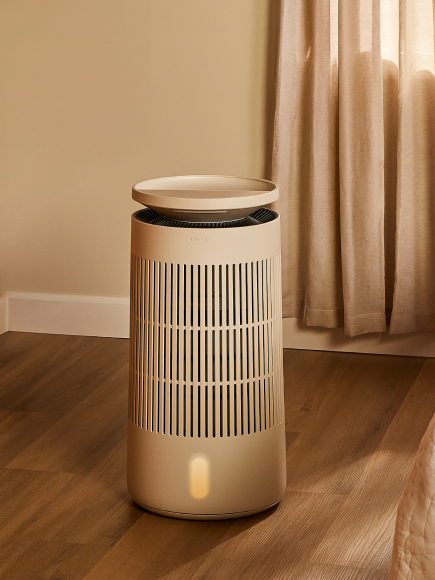
For anyone who needs both purification and humidity control, the Blueair 2-in-1 Pro Purify + Humidify handles both functions in one footprint. HEPASilent™ filtration removes 99.97% of airborne particles down to 0.1 microns while 360-degree InvisibleMist cool mist humidification adds moisture to the air. The antimicrobial filter prevents bacteria from being dispersed with the mist, which is the main hygiene risk with standard ultrasonic humidifiers. A 1-gallon tank delivers up to 60 hours of moisture in auto mode, and Smart Skin mode, co-created with dermatologists, optimizes overnight humidity for skin hydration.
For a bedroom or living room, a combination unit eliminates the need for two separate devices on the nightstand or floor.
Quick Comparison
Feature
Air Purifier
Humidifier
Removes particles and allergens
Yes
No
Removes odors
Yes (with carbon filter)
No
Adds moisture
No
Yes
Helps with allergies
Yes
Indirectly (if the air is very dry)
Helps with dry skin and sinuses
No
Yes
Needs filter replacement
Yes
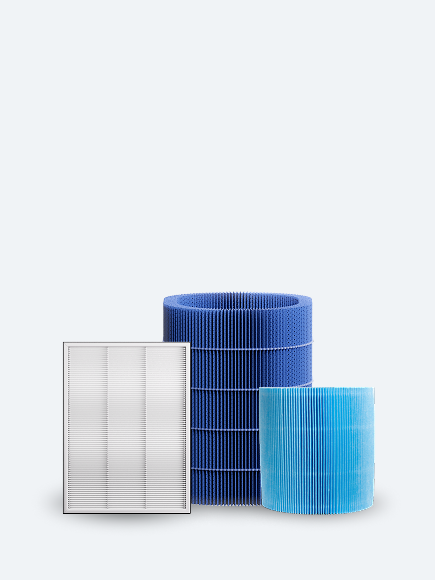
Filter or wick in some models
Works in any season
Yes
Mainly winter or dry climates
The Bottom Line
For sneezing, pet reactions, dust, or odors, an air purifier is the answer. For waking up dry and irritated with no allergy symptoms, a humidifier is the right call. When both sound familiar, a combination unit or running both devices in the same room solves the full picture.
Knowing which problem actually needs solving is what makes the difference. For help narrowing down the right device, the Blueair guided selling tool walks through the key questions in about a minute.
FAQs
Can an air purifier replace a humidifier?
No. Air purifiers filter particles from the air but do not affect humidity levels. If dry air is your problem, a purifier will not help.
Does a humidifier help with dust?
No. A humidifier adds moisture but does not capture or remove dust particles. For dust removal, you need a HEPA air purifier.
Can I run an air purifier and a humidifier in the same room?
Yes, and many people do. Place them a few feet apart. Running both gives you cleaner and more comfortable air, especially in winter.
Does high humidity affect how an air purifier works?
Very high humidity can cause some filter types to absorb moisture and reduce airflow. Keep humidity at 40-50% for optimal purifier performance.
Which is better for a baby's room, a purifier or a humidifier?
Both are commonly used in nurseries. A purifier removes allergens and irritants. A humidifier keeps airways moist and comfortable. A combo unit covers both without extra devices in a small space.
Do air purifiers dry out the air?
No. Air purifiers circulate and filter air, but do not affect the moisture content in any direction. Humidity stays unchanged.