









-
If you've ever wondered whether air purifiers actually work, the answer is straightforward: yes, they do. But not all air purifiers are the same, and understanding how different technologies work will help you choose the right one for your home and your family's specific needs.
Let's walk through how air purifiers actually remove the pollutants affecting your indoor air quality.
How Air Purifiers Actually Work
Here's the simple part: air purifiers pull in the air around you, push it through filters designed to trap pollutants, and send clean air back into your room. Most units repeat this cycle several times per hour, gradually improving the air you're breathing.
The effectiveness really comes down to two things: how powerful the fan is, and how advanced the filtration system is. A strong fan moves more air through the filters, while better filters capture smaller, more harmful particles that you can't even see.
Main Air Purifier Technologies That Remove Pollutants

-
Different air purification technologies target different types of pollution. Understanding each one helps you match the right solution to your family's actual concerns.
HEPA Filters: The Standard for Particle Removal
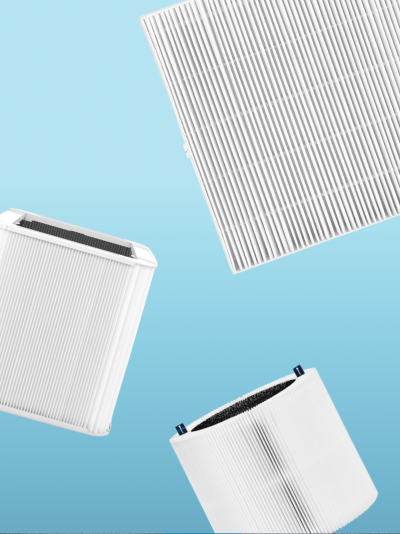
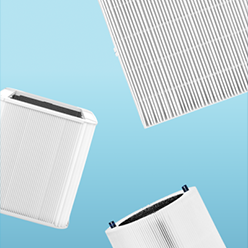
HEPA (High Efficiency Particulate Air) filters are the gold standard if you're dealing with particles. True HEPA filters capture 99.97% of particles sized 0.3 microns, which includes dust mites, pollen, pet dander, mold spores, and even some bacteria.
How do they work? Picture a dense, chaotic maze of tiny fibers. As air flows through, particles get trapped in three ways: larger particles crash directly into fibers, medium-sized particles touch fibers while flowing past, and the tiniest particles bounce around and eventually stick. It's surprisingly effective.
Advanced technologies like HEPASilent™ combine mechanical and electrostatic filtration, which means the system electrically charges particles to make them stick to fibers more easily. This allows for a less dense filter, so more air can flow through while staying quiet. That's the kind of practical improvement that matters when you're running an air purifier in your bedroom or living room all day long.
Activated Carbon Filters: For Gases and Odors
While HEPA handles particles, activated carbon targets what HEPA can't: gases, odors, and volatile organic compounds (VOCs). Think of activated carbon as having millions of tiny pores, essentially a huge surface area for gas molecules to stick to.
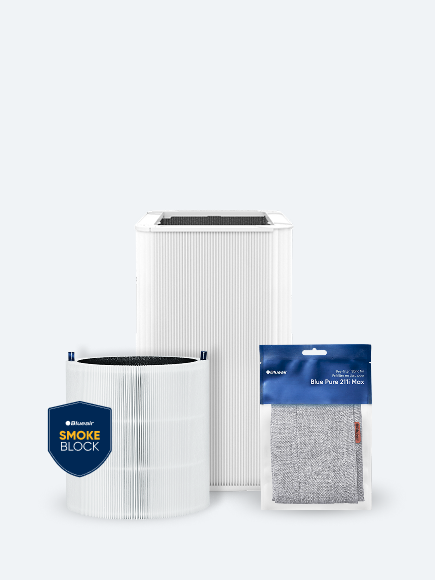
This is what removes cooking smells, pet odors, smoke, and chemical fumes from cleaning products or new furniture. Many good air purifiers combine HEPA and carbon filtration because your home has both types of pollution.
If odors are your main concern, understanding which filters work best makes a real difference in choosing the right purifier for your situation.
Ionic and Electronic Cleaners
Ionic purifiers use electrical charges to remove particles. They emit negative ions that attach to airborne particles, making them heavier so they fall or stick to surfaces. Electrostatic precipitators work similarly; they charge particles and collect them on oppositely charged plates.
Here's the important part: some ionic purifiers produce ozone as a side effect. The EPA recommends avoiding ozone-generating devices because ozone can irritate your lungs and worsen respiratory conditions. If anyone in your home has asthma or respiratory sensitivities, this matters.
UV-C Light: For Microorganisms
UV-C light damages the DNA of bacteria, viruses, and mold spores, preventing them from reproducing. But here's the catch: UV-C only affects living things and doesn't capture particles or gases. So it works best as part of a multi-stage system, not alone.
What Gets Removed From Your Home With an Air Purifier

-
With HEPA filters, you capture:
- Dust and dust mites
- Pollen
- Pet dander and hair
- Mold spores
- Some bacteria and viruses
- Smoke particles
With carbon filters, you remove:
- Cooking odors
- Pet smells
- Tobacco smoke odor
- VOCs from paints, cleaning products, and furnishings
- Chemical fumes
Advanced purifiers like Blueair models capture 99.97% of particles down to 0.1 microns, finer than standard HEPA requirements, removing even the smallest, most harmful pollutants.
Evaluating Air Purifier Performance
Two measurements matter when choosing a purifier:
Clean Air Delivery Rate (CADR) tells you how much filtered air the purifier produces per minute for different pollutants. A CADR of 250 for dust means it can clean a 250 square foot room in about 12 minutes. Higher CADR = faster cleaning.
Room coverage is the maximum square footage the purifier handles effectively. Always choose one rated for your room size or slightly larger. An undersized purifier won't work as well, no matter how good the filter is.
Efficiency matters too. HEPASilent™ technology operates at energy costs lower than running a light bulb, which means continuous operation the best way to improve air quality doesn't strain your electricity bill.
Choosing the Right Technology for Your Home
Your specific air quality concerns should guide your choice. Allergies? You need HEPA filtration for pollen, dust, and dander. Pets? Add carbon filtration for odor control. Urban air pollution? Prioritize high CADR ratings and multi-stage systems.
Always avoid ozone-generating devices, especially in homes with asthma or respiratory sensitivities. Look for purifiers certified by independent testing organizations; these have been rigorously evaluated.
One more thing: budget for filter replacement. All filters need regular changes according to the manufacturer's guidelines. A clogged filter loses effectiveness and wastes energy, so staying on schedule is important.
Find the right purifier for your room size and concerns using a comprehensive room-sizing guide to ensure it actually works for your space.
Finding Your Family's Solution
Air quality directly affects how you feel at home. Choosing the right air purifier means understanding which technologies address your actual concerns, whether that's allergies, odors, smoke, or general air freshness.
Browse Blueair's range of air purifiers to find one engineered for your specific needs. Whether you're dealing with pet odors, seasonal allergies, smoke sensitivity, or just want fresher air for your family, there's a solution designed to help you breathe easier.
Your home should feel like a haven. Let technology help make that happen.
FAQs
Q. How long until I notice a difference with air purifiers?
It depends on room size, purifier strength, and current air quality, but most quality purifiers cycle air 4-5 times per hour. A properly sized unit can show noticeable improvement within 30-60 minutes.
Q. Do air purifiers really remove viruses and bacteria?
HEPA filters capture many airborne viruses and bacteria, especially those down to 0.1 microns. HEPA is more reliable than UV-C alone for particle removal.
Q. Will air purifiers help my allergies or asthma?
Yes, quality HEPA purifiers remove common allergy triggers like pollen, dust mites, and pet dander. Many people report reduced symptoms with consistent use. But purifiers work best alongside regular cleaning and reducing pollution sources, not instead of them.
Q. How often do filters need replacing for my air purifiers?
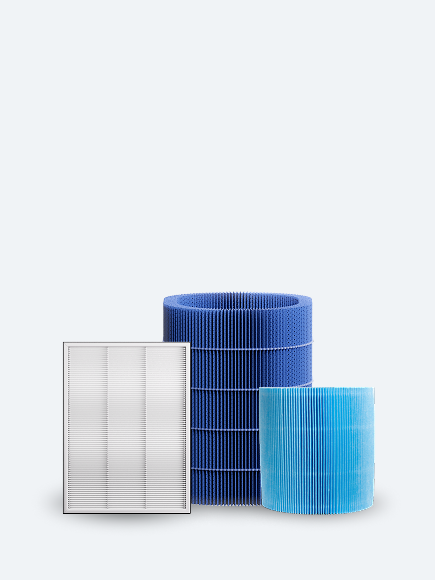
HEPA filters typically last 6-12 months; carbon filters need replacement every 3-6 months. When it's time to replace filters, quality options are available. Follow your manufacturer's recommendations and watch for filter-change indicators.
Q. Best placement for maximum results with my air purifier?
Place your purifier where you spend the most time, bedrooms and living rooms are ideal. Keep it a few feet from walls and furniture so air can flow properly around it. For bedrooms, placing it near where you sleep maximizes the clean air you're breathing during the 8 hours you're asleep.
References
University of Massachusetts Environmental Health and Safety. "Air Purifiers Fact Sheet." Accessed 2024. https://ehs.umass.edu/air-purifiers-fact-sheet