









-
Dry indoor air can leave you waking up with scratchy throats, chapped lips, and irritated sinuses. During winter months or in arid climates, home humidity can drop to uncomfortable levels that affect sleep, skin, and overall well-being. Adding moisture to indoor air does not have to be complicated, and with the right approach, homes can become more comfortable without creating problems like mold or dampness.
Understanding Ideal Indoor Humidity

-
Before adding moisture, understand the target range. According to the EPA, ideal indoor humidity should fall between 30 and 50 percent. Staying within this range helps avoid issues from air that is too dry or too damp.
When humidity drops below 30 percent, people may experience dry, itchy skin and cracked lips, irritated nasal passages and sinus discomfort, increased static electricity, and worsening allergy and asthma symptoms. When humidity rises above 50 percent, mold and mildew may grow, dust mites proliferate, condensation appears on windows and walls, and musty odors develop throughout the home.
A simple hygrometer, available at most hardware stores, monitors indoor humidity levels and guides adjustments. This inexpensive tool helps maintain the ideal range for comfort and health.
Recognizing When a Room Needs Humidification

-
Several signs indicate indoor air is too dry. Pay attention to how you feel when waking up. Consistently dry throat, nosebleeds, or skin that feels tight and uncomfortable are common indicators. Wooden furniture or flooring may crack, and static electricity shocks may happen more often.
If allergy symptoms seem worse indoors, dry air could be contributing. Proper humidity levels actually support the respiratory immune system. Research published in the Indoor Air journal found statistically significant evidence that higher indoor relative humidity was associated with lower odds of reporting dryness or irritation of the throat and skin.
Natural Ways to Humidify Without Equipment
- Use houseplants to release moisture through transpiration. Group five to ten plants per room for best results. Ferns, peace lilies, and spider plants work especially well.
- Leave bathroom doors open after showers so steam spreads into nearby rooms instead of escaping through exhaust fans.
- Air-dry laundry indoors to let moisture evaporate naturally as clothes dry. Place racks in rooms used often.
- Set shallow bowls of water near radiators, heating vents, or sunny windowsills to encourage steady evaporation throughout the day.
- Cook on the stovetop using methods like boiling and steaming. Preparing multiple dishes at once increases indoor humidity noticeably.
Creating Ideal Bedroom Humidity for Sleep

-
Getting quality rest depends partly on the bedroom environment. Dry air can cause waking with a parched throat, stuffy nose, or irritated skin. Running a humidifier in the bedroom supports better sleep by keeping airways comfortable throughout the night. The ideal bedroom humidity for sleep falls between 40 and 50 percent.
For nighttime humidification, run a humidifier one to two hours before bedtime to precondition the room. Place a bowl of water near your bedside or on a dresser. Keep houseplants in the bedroom. Leave wet towels draped over a drying rack overnight.
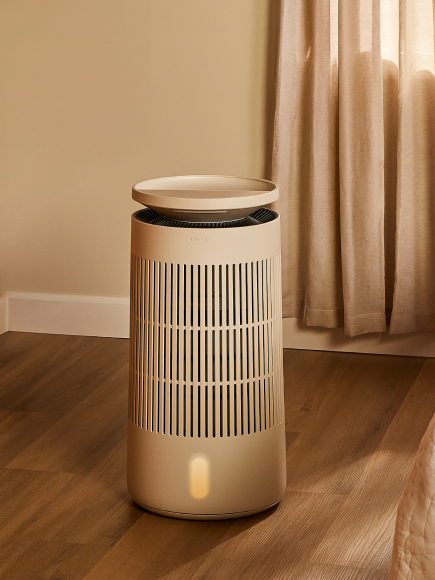
Advanced humidification technology releases pure water vapor with no visible mist, making it ideal for bedrooms without disturbing sleep.
Combining Humidity with Air Purification
For the best indoor air quality, address both humidity and air purity together. Dry air often carries more airborne particles because moisture helps weigh down dust and allergens. A comprehensive approach to air care creates a healthier home environment.
Combination units that provide both purification and humidification remove 99.97 percent of airborne particles while adding clean moisture to the space. This dual-action design removes pollutants while maintaining optimal humidity levels automatically.
Avoiding Over-Humidification
When humidity consistently stays above 50 percent, dust mites and mold thrive. Both are common triggers for allergies and asthma, so maintaining balance is essential for respiratory health.
- Maintain balanced humidity to avoid issues like mold growth and dust mite infestations.
- Monitor indoor moisture levels with a hygrometer and adjust as needed.
- Clean humidifiers regularly to prevent bacteria and mold buildup.
- Use distilled water in humidifiers when tap water is hard to reduce mineral deposits.
- Allow proper air circulation and avoid sealing rooms completely.
- Watch for window condensation, which signals excess moisture.
- Keep humidity below 50 percent to limit dust mites and mold that can trigger allergies and asthma.
FAQs
How can I quickly humidify a room?
Boiling water on the stovetop provides fast results, as does taking a hot shower with the bathroom door open. For immediate and sustained humidity, an evaporative humidifier delivers consistent moisture without the risks of over-humidification.
Is sleeping with a humidifier healthy?
Sleeping with a humidifier can be beneficial when indoor humidity is below 30 percent. Proper moisture levels help prevent dry throat, reduce snoring caused by nasal congestion, and support skin hydration overnight. Keep the humidity between 40 and 50 percent for optimal sleep conditions.
Can you have too much humidity in a bedroom?
Yes. Bedroom humidity above 50 percent can encourage mold growth and dust mite activity, which may worsen allergies and asthma symptoms. A hygrometer helps maintain safe levels throughout the night.
What is the difference between a humidifier and an air purifier?
A humidifier adds moisture to dry air, while an air purifier removes airborne particles like dust, pollen, and allergens. Some units combine both functions for comprehensive air care in a single device.