









-
When investing in cleaner indoor air, one question comes up repeatedly: Can a single air purifier handle an entire house, or do multiple units work better? The answer depends on your home's layout, how rooms connect, and your family's specific air quality needs.
Americans spend approximately 90 percent of their time indoors, where pollutant concentrations can be two to five times higher than outdoor levels. With so much time spent inside, getting your air purifier strategy right matters for your family's health and comfort.
How Air Purifiers Work in Different Spaces

-
Air purifiers clean the air within a specific coverage area. Each unit has a Clean Air Delivery Rate (CADR) that measures how many cubic feet of air it can filter per minute. When walls, doors, and hallways separate rooms, a single purifier cannot easily push clean air into those closed-off spaces.
Open floor plans are more forgiving. When living rooms, dining rooms, and kitchens flow together without barriers, one high-capacity purifier can serve the entire area. Homes with separate bedrooms, closed doors, and multiple floors present a different challenge.
Key factors that affect coverage include room size and ceiling height, the number of walls and closed doors between spaces, whether your HVAC system circulates air between rooms, and the CADR rating of your purifier.
Moving One Air Purifier Around Your Home

-
Moving a portable air purifier from room to room is possible. Many families use this approach to target specific areas throughout the day, placing their unit in the living room during daytime hours, then moving it to the bedroom before sleep.
However, there are practical limits to moving a single unit. High-performance purifiers can clean a room quickly, but moving the unit too frequently allows pollutants to build back up in the spaces left behind. For short stays in a room, moving the purifier may not provide enough cleaning time to make a meaningful difference.
Moving a single air purifier works best when your home is a small apartment, rooms stay connected with open doors, you spend extended time in each space (several hours minimum), or budget is a primary concern.
When Multiple Air Purifiers Make More Sense
Certain home layouts and lifestyles call for more than one unit. Multiple purifiers deliver consistent air quality across your entire home without the need to relocate equipment.
Multiple air purifiers make sense when your home has more than one floor, bedrooms are separated by long hallways or closed doors, family members have allergies or asthma, you have pets that shed dander and fur, or someone in your household works from home and needs clean air all day.
Air purifiers for medium rooms like the Blue Pure 311i Max use HEPASilent™ technology that captures 99.97% of airborne particles down to 0.1 microns. Placing one in your main living area and another in the primary bedroom ensures both spaces receive continuous purification.
Planning Room-by-Room Air Purifier Coverage
Planning air purifier coverage starts with understanding where your family spends the most time. Bedrooms deserve high priority since roughly eight hours each night are spent there. Living rooms and home offices come next, followed by kitchens and playrooms.
Bedrooms

-
Sleeping in clean air supports better rest and reduced allergy symptoms. A quiet purifier runs whisper-quiet at night while removing dust, pollen, and pet dander. Bedroom air purifiers should operate at low noise levels to avoid disturbing sleep while maintaining effective filtration.
The Blue Pure 211i Max cleans 674 square feet in just 12.5 minutes with a 410 CFM CADR rating, making it ideal for larger bedrooms or primary suites where consistent overnight purification matters most.
Living Rooms

-
Open living spaces often connect to kitchens and dining areas, creating larger zones that need higher CADR ratings. A powerful unit can handle 400 to 600 square feet efficiently, refreshing the air every 12 to 15 minutes.
For families who spend most of their time in these shared spaces, large room air purifiers provide the coverage needed to maintain clean air throughout the day, especially during cooking, pet activity, or when windows are closed.
Home Offices

-
Working from home means spending focused hours in one space. Clean air supports concentration and reduces the stuffy feeling that builds up in enclosed rooms. A compact purifier on a desk or nearby table keeps workspaces fresh.
Small room air purifiers work perfectly for home offices, guest rooms, or children's bedrooms where space is limited but clean air remains essential.
Starting with One Unit and Adding More Later
Multiple air purifiers don't need to be purchased all at once. Many families start with a single high-quality unit in their most-used room, then add a second purifier later.
A practical approach looks like this: place your first purifier in the bedroom for overnight use, move it to the living room during daytime hours if needed, add a second unit for the bedroom when budget allows so your main purifier can stay in common areas, then consider a third unit for a home office or children's rooms as household needs grow.
The Blue Pure 311i+ Max offers enhanced performance with voice control compatibility and a Pollen 446 CFM, Dust 370 CFM, Smoke 339 CFM CADR rating for 525 ft² of coverage. Starting with one quality unit and expanding coverage over time creates a sustainable path to whole-home clean air.
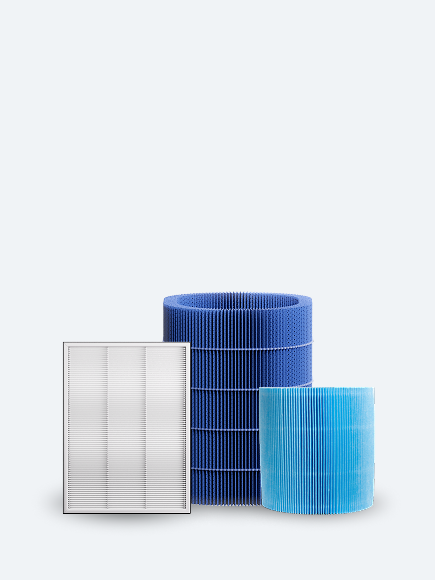
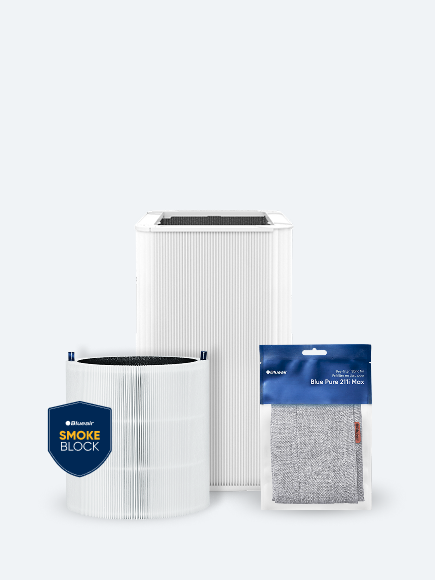
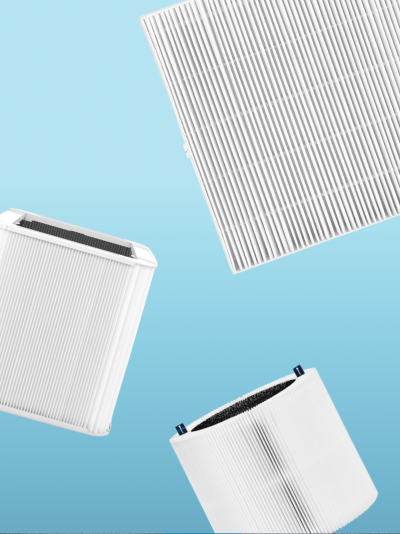
Air purifier subscriptions help manage ongoing maintenance costs with 15% savings on replacement filters, making it more affordable to maintain multiple units throughout your home.
Making the Right Choice for Your Family with Blueair
Choosing between one air purifier and several comes down to your home's layout, your family's health needs, and daily routines. A single purifier can work well for apartments or open floor plans where rooms connect freely. Larger homes with separate spaces benefit from the strategic placement of multiple units.
Proper placement matters regardless of how many units you choose. Position air purifiers away from walls and corners where airflow is restricted. Keep units elevated a few feet off the ground when possible. Run your purifier continuously rather than turning it on and off, since consistent operation delivers the best results.
Understanding room size requirements helps match the right unit to each space in your home, ensuring efficient coverage without overspending on capacity you don't need.
Clean air is an investment in your family's wellness. With thoughtful planning, every room in your home can have the fresh, pure air your family deserves.
FAQs
Can one air purifier clean my entire house?
One air purifier can work for small homes or apartments with open floor plans. Closed doors and walls block airflow, reducing effectiveness in separate rooms. For most homes over 1,000 square feet with multiple closed rooms, using two or more purifiers provides better coverage.
How long does an air purifier take to clean a room?
High-performance air purifiers with HEPASilent™ technology can refresh air in a standard room in about 12 to 15 minutes. Cleaning time depends on the unit's CADR rating and room size. Lower-powered units or larger spaces may take 30 to 60 minutes for complete air exchanges.
Where should I place my air purifier for the best results?
Place air purifiers in a central location with good airflow, away from walls and corners. Elevate units a few feet off the ground if possible. Avoid placing them behind furniture or in corners where air circulation is limited. Keeping doors open between rooms helps maximize coverage.
Is it worth buying multiple air purifiers?
Multiple air purifiers are worth the investment for larger homes, multi-story layouts, or households with allergy sufferers and pet owners. Having dedicated units in bedrooms and living areas ensures consistent air quality without needing to move equipment around, and each space receives continuous protection throughout the day and night.