











-
Shopping for an air purifier fan combo feels like a smart compromise. Why buy two devices when one handles both cooling and air cleaning?
But here's the honest truth: understanding what you're actually getting matters more than convenience. Combo units work well for tiny spaces and tight budgets, but dedicated air purifiers significantly outperform them. Let's explore when each makes sense.
What Is an Air Purifier Fan Combo Device?
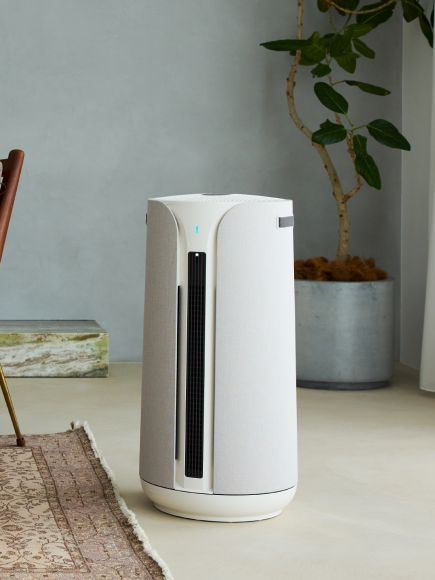
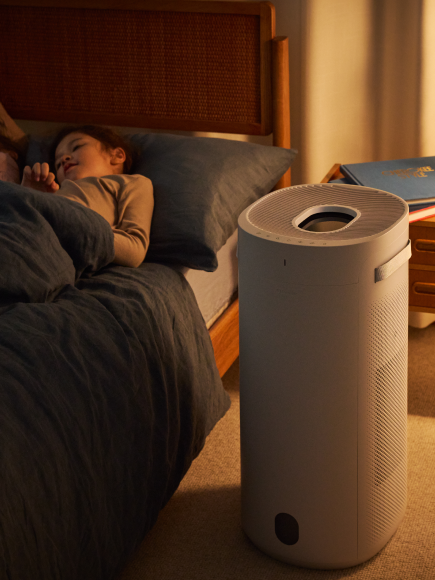
An air purifier fan combo combines filtration with cooling circulation in one device. Most use HEPA filters while providing fan airflow. Prices range from $100 to over $700.
One device saves space and requires only one outlet. But performance tradeoffs exist and they're significant.
Air Purifier Fan Combo Performance vs Dedicated Units
Here's what testing consistently shows: combo units are adequate fans with decent air cleaning, but significantly less effective than dedicated purifiers at improving air quality.
Why? Design priorities. Combo units balance fan blades, cooling airflow, and filter positioning. Dedicated purifiers optimize solely for air cleaning.
This matters when you look at the Clean Air Delivery Rate (CADR) , the objective measure of how much clean air a device produces per minute. A combo at any price typically delivers lower CADR than a dedicated purifier at the same cost. That means slower cleaning and longer wait times.
When an Air Purifier Fan Combo Actually Makes Sense

-
Be honest about your situation. Does this describe you?
- Room under 200 sq ft – Blueair's small room collection offers dedicated purifiers engineered for tight spaces
- Mild allergies only – Occasional dust or light pet dander, not persistent symptoms
- Cooling is priority – Summer comfort matters more than intensive air cleaning
- Want simplicity – One device, one outlet
- Budget constraints – Cost matters more than performance
If all apply, a combo might work. If not, keep reading.
When You Should Skip the Air Purifier Fan Combo
Health concerns come first. Serious allergies, asthma, or respiratory sensitivities require maximum air purification. Combos won't deliver what you need. Learn what asthma-friendly purifiers require to understand the performance gap.
Room size matters. Most combos perform best under 300 sq ft. Larger rooms need the higher CADR only dedicated purifiers provide.
Special filtration needs. Homes with pets need both HEPA and carbon filters. Discover pet-specific odor solutions that dedicated purifiers deliver.
Cost per performance. Premium combos ($700+) deliver weaker cleaning than dedicated purifiers costing one-third the price.
Skip the combo if you: suffer moderate-to-severe allergies, live in rooms over 300 sq ft, have pets, or want optimal air quality improvement.
Why Separate Devices Outperform Combos
Running separate devices gives you complete control. Your purifier operates centrally for optimal circulation. Your fan handles cooling independently. Each device peaks at its primary function.
Fans don't interfere with purifier performance; they actually help circulate purified air faster, creating more even air quality distribution.
Using both together is completely safe and genuinely enhances comfort without compromising air quality.
Why Blueair Purifiers Beat Combo Units

-
Blueair uses mechanical and electrostatic filtration, not just mechanical like most competitors. This combination captures particles more efficiently, delivering cleaner air with less energy.
Our 511i model, engineered for medium rooms, captures particles effectively while staying quiet and efficient, something combos struggle to balance.
Explore how Blueair's performance compares to understand why dedicated purifiers deliver measurable health benefits combos can't match.
Air Purifier Fan Combo Cost Analysis
Combos cost $150-300 initially. Separate devices cost $250-400. Upfront, combo wins.
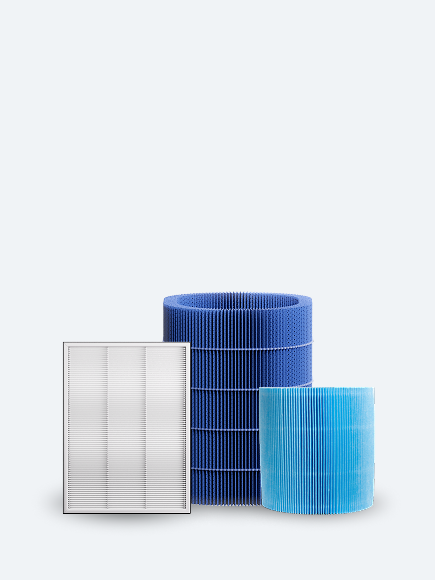
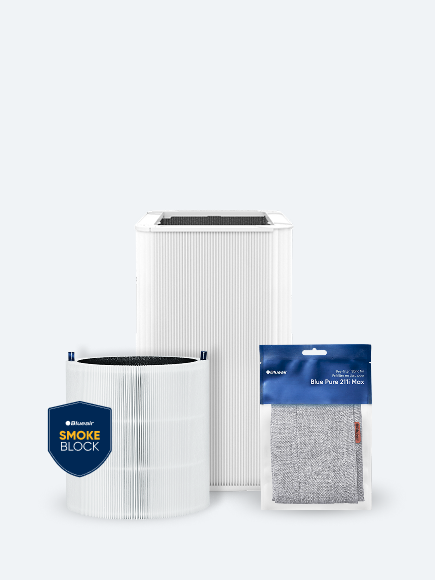
Long-term tells a different story. Proprietary combo filters cost more per replacement than standard filters. Over five years, this gap matters. Blueair's subscription option saves 15% with automatic delivery.
Dedicated purifiers outlast combos and often use less total energy. Total ownership cost purchase plus filters plus electricity usually favors dedicated purifiers for families keeping them 3+ years.
Key Features to Look For in an Air Purifier Combo

-
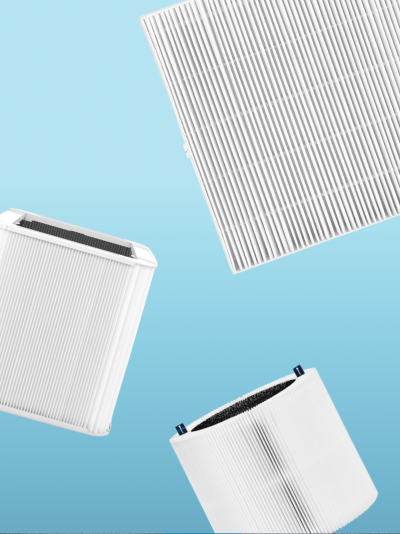
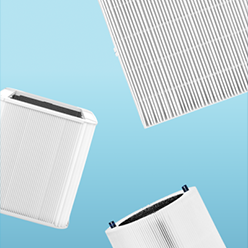
True HEPA filtration. "HEPA-type" means inferior filters. Genuine HEPA captures 99.97% at 0.3 microns. Blueair's mechanical and electrostatic approach captures down to 0.1 microns.
CADR ratings. This objective metric measures how much clean air a device produces. Use Blueair's room-sizing guide to match CADR to your space.
Noise levels. Look for under 50 dB on medium settings. Premium models operate at 25-30 dB.
Smart features. Wi-Fi, air quality sensors, and auto mode add convenience but aren't essential.
Health Impact: What Matters
Americans spend 90% of time indoors, where air quality significantly affects health.
Dedicated purifiers with higher CADR ratings remove allergens, mold, bacteria, and viruses more effectively. For families with young children or elderly members, superior cleaning provides measurable benefits.
If anyone has allergies or asthma, the difference between adequate and excellent cleaning directly impacts symptoms and sleep quality.
Get Your Air Purifiers Today
Combo units do both jobs adequately but neither exceptionally.
If space and budget are tight with only mild air quality concerns, they work. But if you have allergies, asthma, pets, or larger rooms, dedicated purifiers deliver measurable health improvement combos can't match.
Explore Blueair purifiers for various room sizes engineered specifically for your family's needs. Your home should be where your air quality is best, not a compromise.
FAQs
Q. Can you run an air purifier and fan together?
Yes, completely safe and beneficial. The fan circulates purified air faster, creating even distribution.
Q. Do combos use more electricity?
Most draw similar watts separately. Efficient purifiers often use less total energy. Check wattage before purchasing.
Q. How often do you replace filters?
Every 6-12 months typically. Proprietary combo filters may cost more. Browse replacement options to understand the cost difference.
Q. Are combos good for allergies?
Help with mild-to-moderate allergies. Severe allergies or asthma need dedicated purifiers with higher CADR.
Q. Best room size for combos?
Under 300 sq ft. Larger spaces need dedicated purifiers with higher capacity.
Q. Note on Performance Standards
All performance claims refer to HEPA filtration standards and CADR ratings as measured by industry testing protocols. Results vary based on room size, air quality, and usage.
References
Blueair Official Resources
- Air purifier specifications and performance metrics
- Mechanical and electrostatic filtration technology
- Product sizing guides and recommendations
Industry Standards
- AHAM CADR ratings and verification standards
- EPA indoor air quality guidance
- HEPA filtration standards