











-
Breathing is something most people take for granted, until a respiratory condition changes that. For the millions of Americans managing asthma, COPD, or allergic rhinitis, indoor air quality is not a minor detail. According to the EPA, indoor air can be up to 5 times more polluted than outdoor air.
An air purifier cannot replace a doctor or prescribed medications. What it can do is reduce airborne triggers at home, giving the lungs a cleaner environment to work in.
Why Indoor Air Quality Matters for Respiratory Health
Common indoor pollutants include dust mites, pet dander, pollen, mold spores, smoke particles, and VOCs. For someone managing a respiratory condition, exposure to these particles can trigger symptoms that healthy lungs might shrug off. The American Lung Association recognizes air cleaning as one layer of a broader strategy to protect lung health indoors.
Conditions commonly affected by poor indoor air include asthma, where allergens and fine particles are well-established triggers. COPD is another condition, where a randomized clinical trial published in the American Journal of Respiratory and Critical Care Medicine (the CLEAN AIR Study) found that people with moderate-to-severe COPD who used portable air cleaners over six months reported fewer symptoms and reduced rescue medication use. Allergic rhinitis rounds out the list, with airborne pollen and pet dander driving symptoms that worsen when exposure goes unchecked indoors.
What to Look for in an Air Purifier for Breathing Issues

-
Not all air purifiers work the same way, and the differences matter when respiratory health is at stake.
Filtration efficiency at fine particle sizes
Standard HEPA filters capture 99.97% of particles down to 0.3 microns. Blueair's HEPASilent™ technology goes further, capturing 99.97% of particles down to 0.1 microns. That finer capture rate is relevant for respiratory health because some of the most harmful airborne particles, including fine smoke and ultrafine pollution, sit below the 0.3-micron threshold.
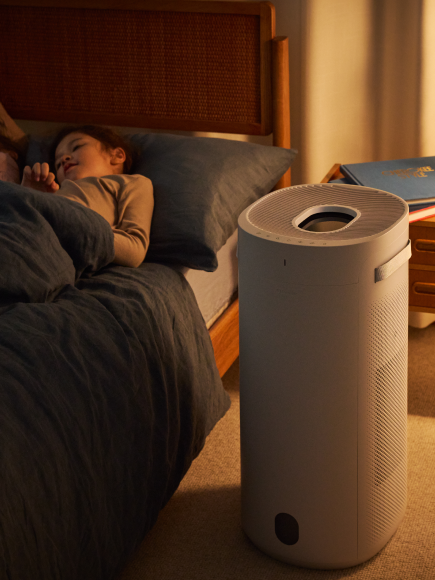
HEPASilent™ technology combines mechanical and electrostatic filtration, delivering up to 45% more clean air than typical HEPA systems while operating at lower noise levels. Quiet operation is especially useful for people who need clean air overnight without disrupting sleep.
Clean Air Delivery Rate (CADR) relative to room size
A purifier that is undersized for its room will not cycle air often enough to make a meaningful difference. Always match the CADR rating to the room's square footage. Blueair offers purifiers sized for small rooms through extra-large spaces, so there is an option for virtually every room in the home. For bedrooms, where most people spend 7 to 9 hours a night, sizing up is a worthwhile investment.
No ozone output
Ozone is a known lung irritant. Ionizers, UV-based purifiers, and ozone generators can produce ozone as a byproduct, which can worsen symptoms for anyone with a respiratory condition. A filtration-only approach avoids that risk entirely. All Blueair air purifiers are Zero Ozone Verified (less than 5 ppb) by Intertek and certified by the California Air Resources Board (CARB).
Certifications that matter
Independent verification of performance claims is important. Blueair purifiers are AHAM Verifide for CADR, ENERGY STAR Most Efficient certified, Quiet Mark certified, and named Consumer Reports "Best Air Purifier Brand of 2025."
How Blueair Supports Breathing-Sensitive Households

-
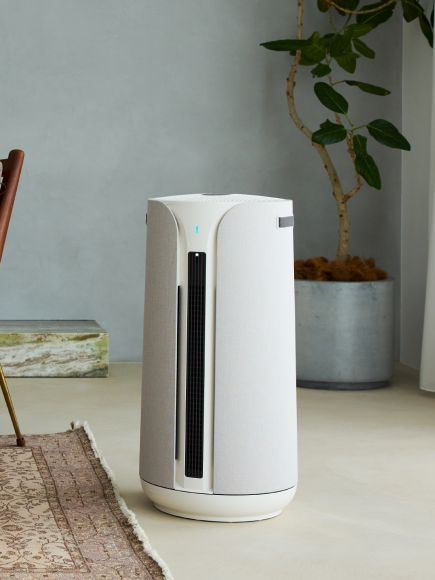
Blueair was founded in Sweden with a single focus: clean air. Blueair air purifiers span compact bedroom units to whole-room models. Each uses HEPASilent™ technology to capture fine particles, pollen, smoke, pet dander, and other common triggers while keeping noise low enough for all-night use. For more detail, Blueair's guide on air purifiers and medical conditions is worth reading.
When dry air makes breathing harder
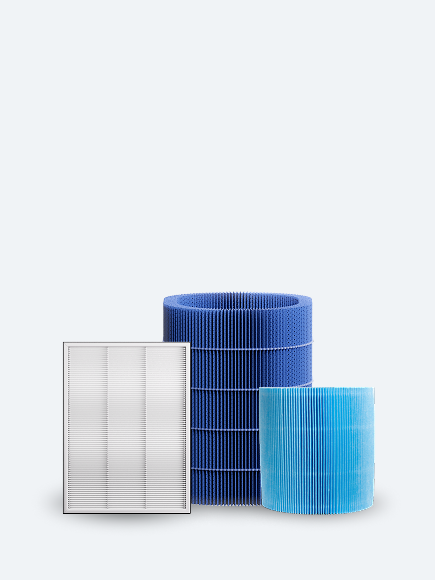
Dry indoor air, common in winter or arid climates, can worsen respiratory symptoms on its own. Blueair's 2-in-1 Pro combines HEPASilent™ air purification with InvisibleMist™ humidification, removing 99.97% of airborne particles while maintaining optimal humidity. Co-created with dermatologists, it includes DermaSense™ Smart Skin mode to optimize humidity for skin and respiratory comfort.
Placement Tips for Maximum Impact
Place the unit in the room where the most time is spent, typically the bedroom. Keep doors and windows closed while running. Position the unit away from walls and furniture so air can circulate freely, and run it continuously on a low setting rather than turning it on and off. Consistent filtration keeps particle levels stable.
Keeping the Purifier Running Right
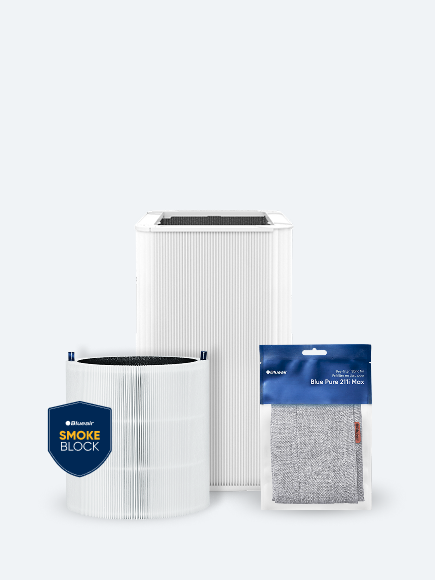
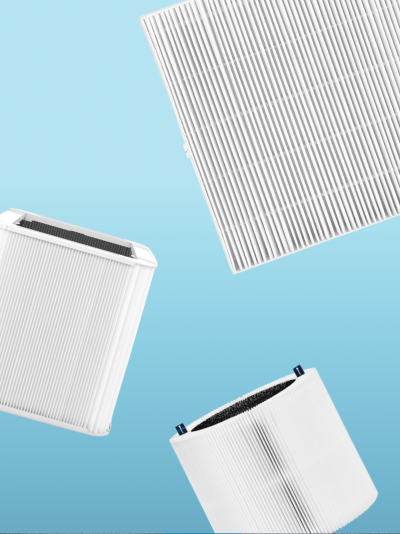
A clogged or expired filter reduces clean air delivery significantly. Most Blueair filters should be replaced every 6 to 9 months. Models with RealTrack technology track actual usage and air quality to give accurate replacement timing.
After installing a new filter, press and hold the fan speed button for 15 seconds until the LEDs light up and flash once to reset the indicator. Make sure the filter is the correct type for the model and is fully seated with the cover properly closed. Model-specific instructions are at Blueair support.
A filter subscription saves 15% on every replacement and delivers filters automatically, so the purifier never runs on an overdue filter.
A Note on Medical Advice
An air purifier is not a medical device. Reducing exposure to airborne irritants at home is a reasonable, concrete step, but it does not treat or cure any lung condition. Always work with a healthcare provider to manage respiratory health.
Cleaner air at home will not solve every challenge that comes with a respiratory condition, but reducing daily exposure to airborne irritants is a concrete step worth taking.
Ready to find the right fit? Browse Blueair air purifiers and find the right clean air solution.
FAQs
Can an air purifier help with COPD?
An air purifier may help reduce exposure to particles and irritants that aggravate COPD symptoms. A Johns Hopkins-led clinical trial showed that consistent use of portable air cleaners reduced respiratory symptoms and rescue medication use over six months. An air purifier does not replace prescribed treatment, so speak with a pulmonologist about whether one fits into an overall care plan.
What type of air purifier is best for asthma?
Look for a unit that uses mechanical filtration without ozone output. HEPASilent™ technology captures particles down to 0.1 microns, covering the fine particles and allergens most associated with asthma flare-ups. Match the purifier's CADR to the room size for adequate air cycling.
How often should the filters be replaced?
Most Blueair filters should be replaced every 6 to 9 months. Models with RealTrack technology provide accurate tracking based on actual usage. Auto-delivery saves 15% on every filter.
Will an air purifier help with pet allergies?
Pet dander is one of the most common indoor allergens. A purifier with fine-particle filtration can reduce dander levels in the room, which may ease allergic reactions and respiratory irritation for pet-sensitive households.
Is it safe to run an air purifier all day?
Yes. Continuous operation is recommended for consistent air quality. Blueair units are designed for around-the-clock use, with quiet operation that works in bedrooms and living spaces alike.