












-
Air purifiers work best in sealed environments, but life doesn't always cooperate. Fresh air feels good, especially on pleasant days. Many people wonder if running their air purifier with windows open defeats the purpose or wastes energy.
The short answer: you can use an air purifier with open windows, but you'll sacrifice efficiency. Your purifier will work harder, consume more energy, and deliver less effective results. However, certain situations make this trade-off worthwhile.
How Air Purifiers Work in Enclosed Spaces
Air purifiers clean indoor air by pulling it through filtration systems that trap particles, allergens, and pollutants. In a closed room, the device cycles the same air multiple times, progressively removing contaminants with each pass. The process creates a controlled environment where the purifier gradually improves air quality.
When windows remain closed, an air purifier can significantly reduce airborne particles in sealed spaces. The Environmental Protection Agency recommends sealed spaces for optimal performance because purifiers need time to filter the total air volume repeatedly.
Blueair's HEPASilent™ technology captures 99.97% of airborne particles down to 0.1 microns through a combination of mechanical and electrostatic filtration. This dual approach delivers cleaner air more efficiently than traditional mechanical filtration alone.
What Happens When You Open Windows with Air Purifiers Running

-
Opening windows introduces outdoor air continuously into your space. Your air purifier must process both the existing indoor air and the constant influx of new outdoor air, pollen, dust, vehicle exhaust, and seasonal allergens.
Three main issues occur with air purifiers when windows are open:
Reduced cleaning effectiveness - The purifier can't keep up with the continuous stream of outdoor pollutants. Instead of progressively cleaning a fixed volume of air, it struggles to maintain baseline air quality.
Increased energy consumption - The device runs longer at higher speeds, consuming more electricity. Modern air purifiers typically use 20-100 watts, but continuous maximum operation increases costs.
Faster filter degradation - Filters clog more quickly when processing larger volumes of particulate-laden outdoor air. You'll replace filters more frequently, raising maintenance expenses.
When Opening Windows with Your Air Purifier Makes Sense
Certain situations justify using your air purifier with windows open despite reduced efficiency.
Poor indoor air quality events - Cooking smoke, cleaning chemical fumes, or paint odors sometimes concentrate indoors. Opening windows for cross-ventilation while running your air purifier helps remove gases and odors faster. Air purifiers excel at capturing particles but have limited effectiveness against volatile organic compounds without specialized carbon filters.
Outdoor air quality is superior - Check your local Air Quality Index before deciding. When outdoor AQI reads below 50 and indoor sources create pollution, brief window opening paired with your air purifier can help.
CO2 buildup in tight spaces - Air purifiers don't remove carbon dioxide. Sealed modern homes can accumulate CO2, causing stuffiness and reduced cognitive function. Periodic ventilation maintains healthy oxygen levels, particularly in bedrooms and home offices.
Matching Air Purifier Size to Room Dimensions with Open Windows
Room size matching matters more with open windows. Air purifiers are rated by clean air delivery rate (CADR), which indicates the volume of filtered air delivered per minute.
A small air purifier in a large room already struggles to achieve complete air circulation. Adding open windows compounds the problem. The device becomes nearly ineffective because it can't process both the room volume and incoming outdoor air.
For open-window scenarios, choose an air purifier rated for 1.5 to 2 times your actual room size. The oversized capacity provides headroom to handle additional outdoor air while maintaining reasonable indoor air quality.
Blueair air purifiers offer models for various room sizes, from compact spaces to large open floor plans. Selecting appropriate capacity ensures adequate performance even in less-than-ideal conditions.
Best Practices for Window Ventilation with Your Air Purifier

-
Smart window management maximizes both fresh air benefits and air purifier effectiveness.
Time your ventilation - Open windows during periods of lowest outdoor pollution. Early morning or late evening typically offer cleaner outdoor air in urban areas. Close windows during high-traffic hours.
Use partial opening - Crack windows slightly rather than opening them fully. Limited openings allow fresh air exchange while minimizing pollutant influx into your air purifier's workspace.
Create strategic airflow - Position your air purifier away from open windows. Place the unit centrally or opposite the window so it captures air after mixing occurs.
Increase air purifier fan speed - Run your purifier on higher settings when windows are open. Higher speeds process more air volume, compensating partially for the open window challenge.
Monitor and adjust - If you have allergies or respiratory sensitivities, pay attention to symptoms. Increased sneezing or congestion indicates the open window outweighs air purifier benefits.
Outdoor Air Quality Index Considerations for Air Purifier Use
The Air Quality Index runs from 0 to 500, with lower numbers indicating cleaner air. Keep windows closed when outdoor AQI exceeds 100 and rely entirely on your air purifier. When AQI drops below 50 and indoor conditions warrant ventilation, brief window opening with air purifier use poses minimal risk.
Weather apps and local environmental agency websites provide real-time AQI data. Many smart air purifiers include air quality sensors that measure indoor particulate levels, helping you compare indoor versus outdoor conditions.
Energy Efficiency and Cost Impact of Open-Window Air Purifier Use
Running an air purifier continuously with open windows increases electricity costs, though the exact impact varies by model and usage patterns.
Energy-efficient models minimize this impact. However, the greater concern is filter life rather than electricity consumption.
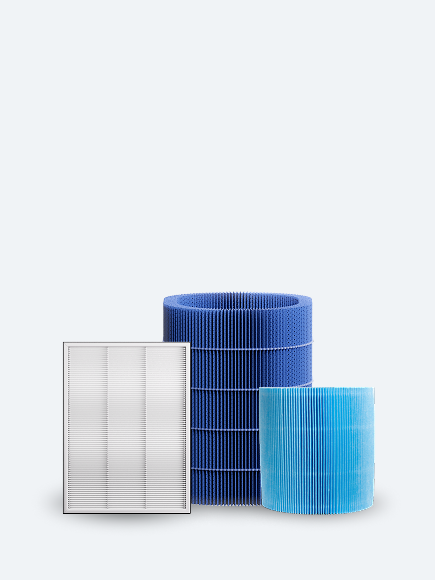
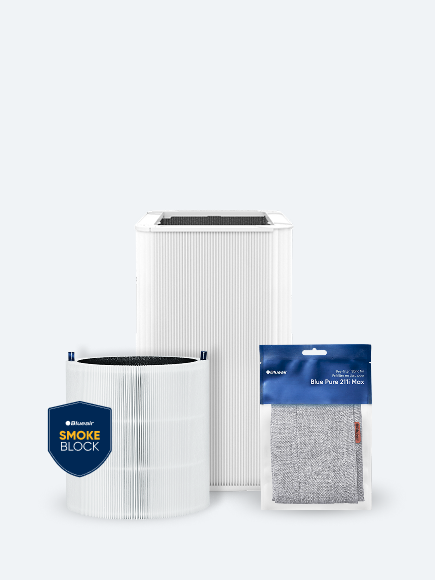
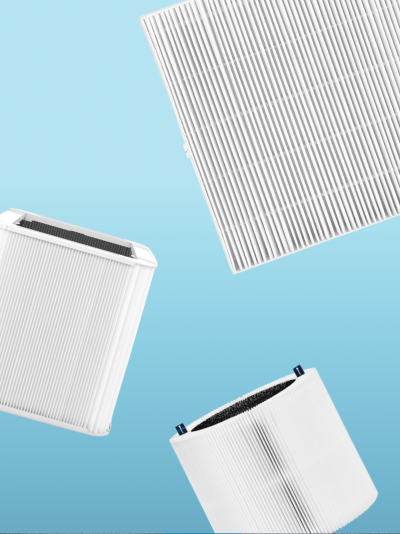
Filters represent the primary ongoing expense. Standard filter replacement occurs every 6 to 12 months under normal conditions. Open-window operation can reduce filter life significantly, requiring more frequent replacements. Explore Blueair's filter options to budget for replacement schedules.
FAQs
Q. How long should I run my air purifier with windows closed?
Run your air purifier continuously for best results, or at minimum for 4 to 6 hours daily. Most devices need 30 to 60 minutes to complete one full air exchange in appropriately sized rooms. Continuous operation of your air purifier maintains consistently clean air by repeatedly filtering as people move, pets shed, and daily activities generate particles.
Q. Can air purifiers remove outdoor pollen when windows are open?
Air purifiers can capture pollen particles that enter through open windows, but they can't keep up with continuous influx. During high pollen seasons, keep windows closed and run your air purifier constantly. Open windows only after pollen counts drop, typically after rain or in evenings.
Q. Should I open windows if my air purifier has a carbon filter?
Carbon filters in air purifiers absorb gases and odors that mechanical filters miss. Opening windows helps ventilate indoor chemical pollutants more quickly than relying on carbon filtration alone. For strong paint fumes or cleaning chemical odors, combine window ventilation with your carbon-equipped air purifier for fastest clearance.
Q. Do air purifiers work better in small or large rooms with windows open?
Air purifiers perform better in smaller rooms with windows open because they process the total air volume faster. Large rooms with open windows overwhelm most purifiers. If you must ventilate a large space, close most windows and leave one partially open to limit outdoor air influx into your air purifier's workspace.
Q. Is it wasteful to run an air purifier with windows open?
Running an air purifier with fully open windows wastes energy and filter life with minimal benefit. However, slightly cracked windows for brief periods while your air purifier runs on high speed can balance fresh air needs with air cleaning. Evaluate the trade-off based on your specific air quality goals and outdoor conditions. Read more about optimizing air purifier placement for your home.