










-
Understanding the Real Costs of Air Purifiers
Let’s start with honesty: air purifiers aren’t cheap, and neither are the filters you’ll replace regularly. But yes, air purifiers are worth buying for most households, especially if you deal with dust, allergies, or pollution. Understanding the complete cost picture helps you decide if one makes sense for your home.
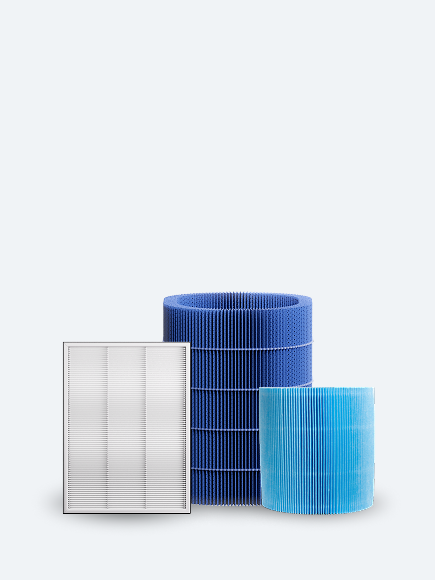
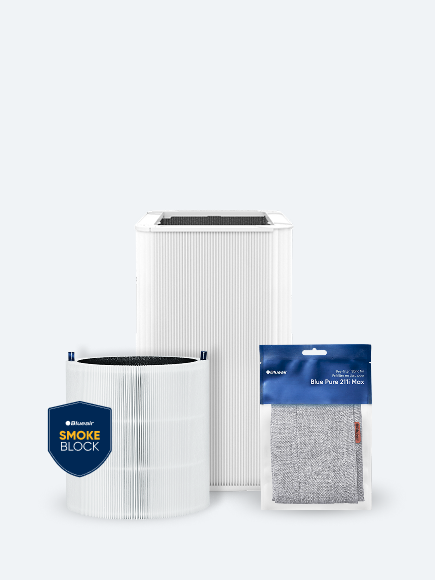
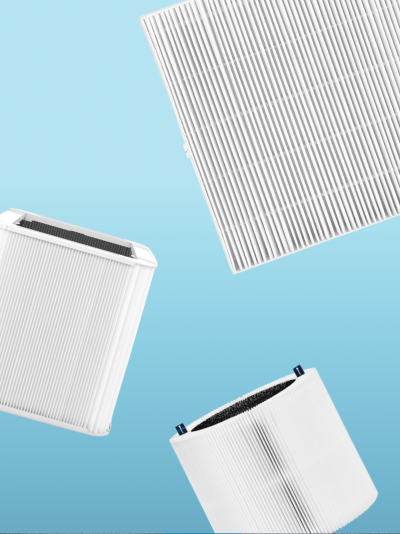
Quality air purifiers range from $200 to $900 for the unit itself, though you can find solid options at lower price points. But here's what often gets overlooked: the filters. Most quality units need filter replacements running $20 to over $100 annually, depending on your specific model and how often you run it. If you choose carbon filters for odor control, budget for replacements every few months at $30-$50 each.
Energy costs matter, but perhaps less than you'd think. Modern air purifiers typically use 20-100 watts roughly the equivalent of a standard light bulb. Energy Star certified models are notably more efficient, costing about $30 less per year to operate compared to standard versions. If efficiency is important to you, Blueair's purifiers are engineered to use less energy while delivering strong performance.
What You're Actually Paying For:
- Initial unit cost ($200-$900)
- Filter replacements ($20-$100+ annually)
- Electricity ($20-$40 per year, lower for efficient models)
- Maintenance time (minimal, mostly filter changes)
How Air Purifiers Provide Health Benefits That Matter
-
Here's where the investment often starts to make sense. The average person spends roughly 90% of their time indoors, where something surprising happens: pollutant levels inside are often 2 to 5 times higher than outdoor air. In some cases especially with cooking, smoking, or during wildfire season indoor pollution can spike to 100 times higher than outside air.
The EPA consistently ranks indoor air pollution among the top five environmental health risks. That's not marketing, that's public health data. The effects are real: eye, nose, and throat irritation, headaches, respiratory issues, heart problems, and in serious cases, long-term health impacts.
Quality air purifiers address many of these concerns. Research shows they meaningfully reduce allergy symptoms, decrease asthma triggers, and improve overall respiratory health. If you have kids, elderly family members, or anyone with existing respiratory conditions, the difference in comfort and health can be substantial.
Who notices the biggest benefits from air purifiers:
- Allergy sufferers - If pollen, dust mites, and pet dander trigger your symptoms, a HEPA-grade filter captures 99.97% of these particles. Blueair's HEPASilent™ technology goes further, filtering down to 0.1 microns while running significantly quieter than traditional HEPA units.
- Parents - Nearly 1 in 13 school-age children has asthma. Reducing airborne triggers gives kids fewer sick days and better quality of life.
- Pet owners - Air purifiers tackle the dander and odors that accumulate throughout your home, not just in the room where your pet spends time.
- City dwellers - Higher outdoor pollution means more contaminants seeping into your home's indoor air, making air purifiers a practical defensive tool.
Anyone with respiratory conditions - Cleaner air literally means fewer triggers and easier breathing.
What Air Purifiers Actually Remove and Their Limitations
Setting realistic expectations prevents buyer's remorse. HEPA-grade filters excel at particles: dust, pollen, pet dander, mold spores, and fine particulates. Studies confirm HEPA filters capture 99.97% of particles at 0.3 micrometers. That's the science working.
However, limitations exist with air purifiers. Most filters handle particles better than gases. Volatile organic compounds (VOCs), radon, and carbon monoxide require specialized solutions upgraded carbon filters help with some odors, but they're not a complete fix for gaseous pollutants. And while some ionizers may produce ozone, Blueair purifiers are CARB-certified for zero ozone emissions, so that's not a concern with our products.
The Long-Term Value Air Purifiers Deliver Beyond Immediate Health
The value extends beyond breathing easier. Running an air purifier protects your HVAC system by reducing the dust and debris that would otherwise circulate through your blower motor and ductwork. Less strain means better efficiency, lower energy bills, and equipment that lasts longer.
You'll also notice less dust settling on your furniture, electronics, and shelves. That means less frequent deep cleaning and less wear on your belongings over time.
For homes in areas with poor air quality or during wildfire season, air purifiers create a clean air refuge inside your home. That peace of mind knowing your family is breathing cleaner air when outdoor conditions are poor has real value.
How to Make Your Air Purifiers Investment Work Best

-
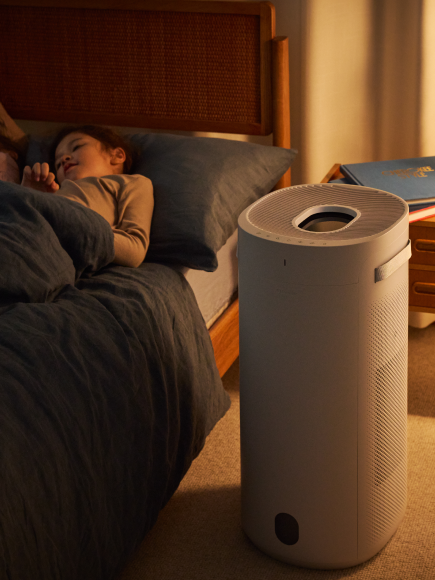
An air purifier delivers the most value when you use it strategically. Run it continuously in the rooms where your family spends the most time, typically bedrooms (you spend roughly a third of your life sleeping) and living areas.
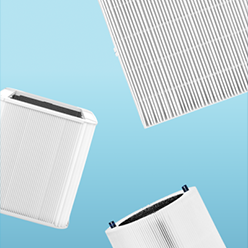
Regular maintenance is non-negotiable for air purifiers performance. Replace filters on schedule, don't wait until they're visibly dirty. Clean the unit's sensors and intake vents periodically. Skipping maintenance reduces effectiveness and actually increases energy consumption.
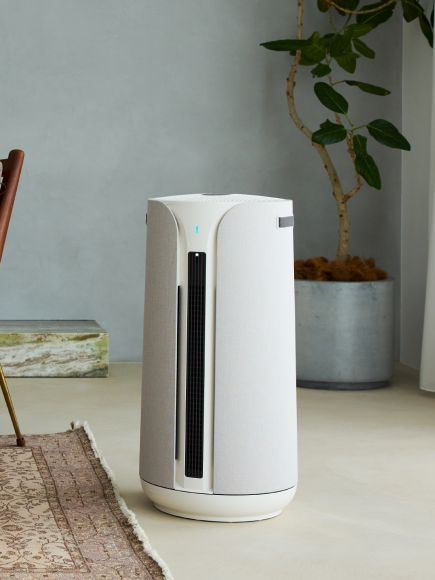
Room size matters significantly with air purifiers. An undersized unit won't adequately clean the air in larger spaces, while an oversized purifier wastes energy. Match the unit's clean air delivery rate (CADR) to your room dimensions. Our Blue Pure 211i Max handles spaces up to 674 square feet effectively, while the ComfortPure 3-in-1 offers heating and cooling alongside purification for added value.
When Air Purifiers Might Not Be Worth Your Investment
Being honest about limitations matters. If your main goal is freshening air or removing cooking odors, air purifiers may not justify the expense. Opening windows for ventilation and addressing odor sources directly often works just as well.
Homes without specific air quality concerns where air purifiers might help include those with no respiratory sensitivities or allergy triggers. In these cases, proper ventilation and regular cleaning provide sufficient air quality management.
Budget constraints are real. If filter replacement costs strain your finances or air purifiers would sit unused in a closet, the money is better spent elsewhere. Calculate your long-term operating costs before committing.
The Bottom Line on Air Purifiers
Air purifiers are worth the investment for households with allergies, respiratory conditions, young children, or significant air quality concerns. They're less compelling for homes without these specific triggers or for people whose budget can't accommodate ongoing filter costs.
If you're considering air purifiers, focus on the rooms where your family spends the most time, maintain it properly, and match the unit's capacity to your space. The combination of better health, reduced dust, and long-term HVAC protection often justifies the cost over time.
Have questions about which air purifiers fit your situation?
Our product guides break down options by room size and specific needs.
FAQs
Q. How long do air purifiers last?
Quality air purifiers typically function for 5 to 10 years with proper maintenance. The equipment itself remains functional for years, but filters need replacing every 6 to 12 months depending on usage and air quality. Some models like Blueair's with RealTrack technology actually extend filter life by monitoring real usage rather than just time.
Q. Can air purifiers help with wildfire smoke?
Yes, significantly. HEPA-grade filtration effectively removes wildfire smoke particles from indoor air. During smoke events, run your air purifier continuously and keep windows closed. Activated carbon filters also reduce smoke odors if that's a concern in your area.
Q. Do air purifiers work for mold?
Air purifiers capture airborne mold spores, but they can't eliminate existing mold growth. Addressing moisture sources and cleaning visible mold remain essential steps. An air purifier helps prevent spore spread and reduces your exposure to airborne particles.
Q. Should I run my air purifiers all day?
Running air purifiers continuously provides the best results and creates a consistent clean air environment. Modern purifiers, including Blueair models, use minimal energy and are designed for 24/7 operation. Consistent use of air purifiers is more effective than running them intermittently.
Q. Are expensive air purifiers better than cheaper ones?
Price often reflects performance, but not always. Look beyond price tags. Check for independently verified CADR ratings, filter quality, energy efficiency, and noise levels. A well-designed mid-range air purifier typically outperforms a cheap model. Premium air purifiers often offer quieter operation and advanced features like smart monitoring, which you'll appreciate if you plan to keep it running continuously.