











-
Children breathe faster than adults and take in more air relative to body weight, which means indoor pollutants hit growing lungs harder. According to EPA data, children spend roughly 90% of their time indoors, at home, school, and activities, where air pollutant levels can be up to five times higher than outdoors. Smaller airways, developing immune systems, and still-maturing organs all make children more vulnerable to what adults may barely notice.
The good news is that most of the fixes are simple. Here are 10 practical ways to reduce pollution and create healthier air where kids spend the most time.
10 Steps to Cleaner Air at Home

-
1. Ventilate daily, even briefly
Opening windows for just 5 to 10 minutes a day flushes out stale, pollutant-heavy indoor air. Even in urban areas, fresh airflow dilutes indoor concentrations of dust, VOCs, and CO2. Check the local air quality index first, and keep windows closed on high-pollution or high-pollen days.
2. Switch to damp cleaning
Sweeping and dry dusting launch settled particles back into the air, right at a child's breathing height. Damp mopping floors and wiping surfaces with a damp microfiber cloth traps dust instead of spreading it. Keep children out of the room during cleaning and for a few minutes afterward.
3. Reduce carpet and soft surfaces
Carpets, heavy drapes, and stuffed animals quietly collect dust mites, mold spores, and pet dander over time. For children's rooms, hard flooring with washable area rugs is far easier to keep clean. Wash curtains and bedding weekly in hot water (at least 130°F) to kill dust mites, and store stuffed toys in closed bins when not in use.
4. Manage humidity between 30 and 50 percent
Too dry, and the airways get irritated. Too humid, and mold thrives. A hygrometer (under $15 at most hardware stores) makes it easy to monitor. In dry climates or during winter when heating strips moisture from the air, a humidifier brings levels back into the safe range. In humid climates, a dehumidifier or air conditioning keeps mold in check. More on finding the right humidity balance.
5. Choose low-VOC and non-toxic products
Volatile organic compounds (VOCs) off-gas from paint, new furniture, cleaning sprays, and air fresheners. Children inhale these at higher rates relative to body size. Choose low-VOC or zero-VOC paint for kids' rooms, skip aerosol sprays in favor of pump bottles, and replace chemical-heavy cleaners with simple solutions like vinegar, baking soda, and castile soap. Even new mattresses and furniture should be unwrapped and aired out in a well-ventilated area before going into a child's bedroom.
6. Run an air purifier in the bedroom
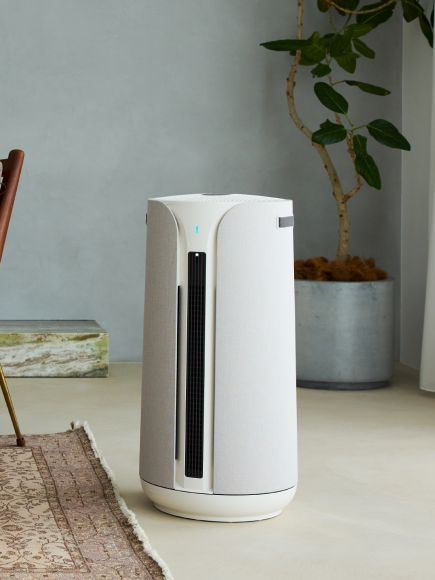
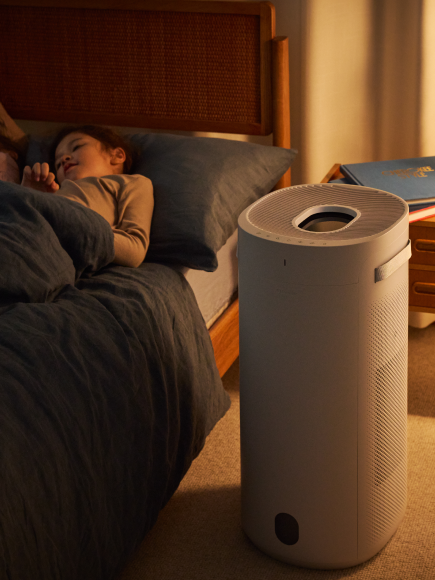
Children spend the longest uninterrupted hours in the bedroom, making it the highest-impact room for air purification. A purifier with HEPASilent™ technology captures 99.97% of airborne particles down to 0.1 microns, including dust mite debris, pollen, mold spores, pet dander, and fine smoke particles. For a child's room, a small-room purifier like the Blue Pure 511i Max runs as low as 19 dB on the lowest setting, quieter than a whisper, and uses less energy than a nightlight.
7. Keep cooking fumes contained
Gas stoves release nitrogen dioxide, carbon monoxide, and fine particulate matter. Electric and induction stoves produce fewer combustion byproducts. Regardless of stove type, always run the range hood or exhaust fan while cooking and for 10 to 15 minutes afterward. Keep children out of the kitchen during heavy cooking sessions, and close the door between the kitchen and the rest of the home when possible.
8. Control pet dander at the source
Pets are part of the family, but dander, saliva proteins, and fur carry allergens that accumulate quickly in enclosed spaces. Groom pets regularly, wash pet bedding weekly, and keep pets out of the child's bedroom if allergy symptoms are present. An air purifier for medium rooms in shared living spaces captures pet dander continuously.
9. Skip incense, candles, and plug-in fresheners
Burning incense and scented candles releases fine particulate matter and VOCs into indoor air. Plug-in air fresheners continuously emit chemical compounds that children inhale overnight. For fragrance without pollutants, try a natural reed diffuser with essential oils, or simply open a window. Creating a non-toxic home environment removes invisible stressors that compound over time.
10. Maintain filters and HVAC systems
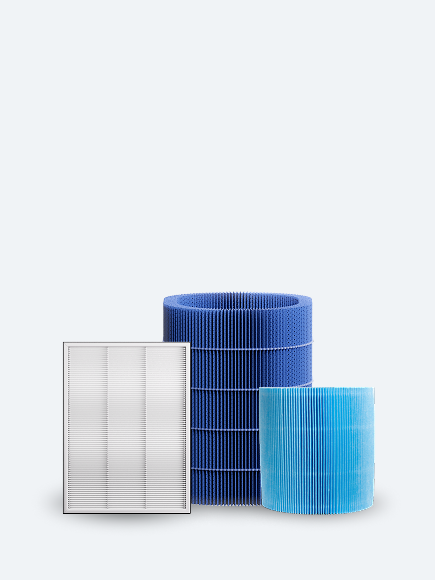
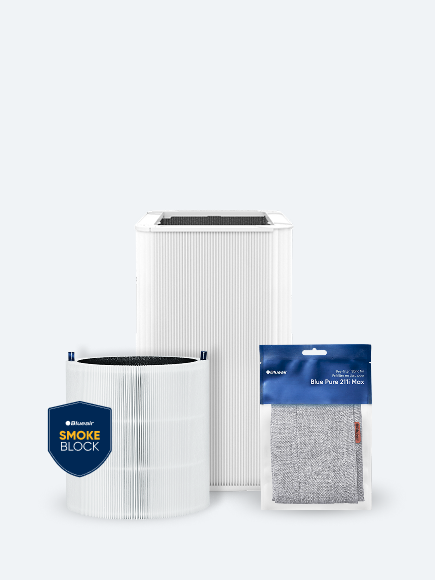
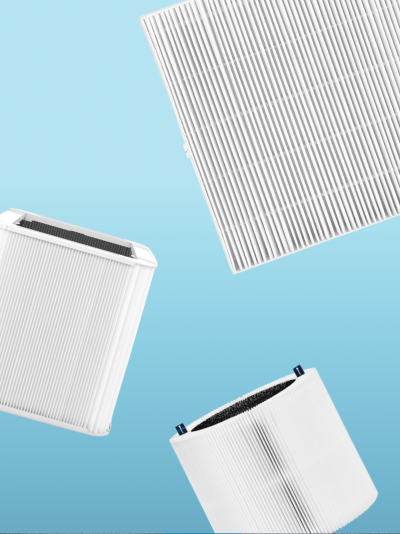
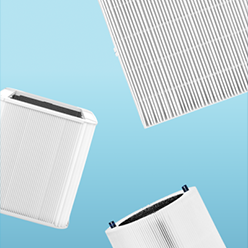
A clogged HVAC filter pushes recirculated dust and allergens through the entire home. Replace HVAC filters every 1 to 3 months (MERV 13 rated or higher is recommended for homes with children). For standalone air purifiers, replace filters every 6 to 9 months. After installing a new Blueair filter, press and hold the fan speed button for 15 seconds to reset the indicator. A filter subscription saves 15% and delivers automatically, so replacement never slips through the cracks.
5 Common Sources of Indoor Air Pollution
Understanding where indoor pollutants come from makes prevention easier.
- Dust and biological allergens. Dust mites, mold spores, pet dander, and pollen accumulate on soft surfaces and recirculate through HVAC systems.
- Combustion byproducts. Gas stoves, fireplaces, candles, and incense release nitrogen dioxide, carbon monoxide, and fine particulate matter.
- Volatile organic compounds (VOCs). Off-gassing from paint, furniture, flooring, cleaning products, and air fresheners introduces chemical vapors into enclosed spaces.
- Building materials. Older homes may contain asbestos or lead paint. Newer construction can off-gas formaldehyde from pressed-wood products.
- Outdoor pollution infiltration. Pollen, vehicle exhaust, and wildfire smoke enter through open windows, doors, and gaps in the building envelope.
FAQs
What actually cleans the air inside a home?
Air purifiers with high-efficiency filters physically remove airborne particles. HEPASilent™ technology captures 99.97% of particles down to 0.1 microns, including allergens, bacteria, and smoke. Ventilation brings in fresh air. Houseplants contribute modestly but cannot replace mechanical filtration for measurable air quality improvement.
Should an air purifier run all night in a child's room?
Yes. Overnight is when children spend the most continuous hours in one room, breathing the same air. A quiet, properly sized purifier running on low uses minimal energy and keeps allergen levels consistently down through the night.
What size air purifier does a child's bedroom need?
Match the purifier's CADR to the room size. A purifier's CADR should be at least two-thirds of the room's square footage. For a typical 150-square-foot child's bedroom, a purifier rated for small rooms works well in a quiet setting. A room size guide simplifies the math.
Are air purifiers safe for babies and toddlers?
Quality air purifiers that use only mechanical and electrostatic filtration (no ozone-producing ionizers) are safe for nurseries. All Blueair purifiers are Zero Ozone Verified by Intertek (less than 5 ppb) and include child lock features on smart models.