











-
According to the Asthma and Allergy Foundation of America, more than 25 million Americans live with asthma, and the majority of triggers that provoke flare-ups are found right inside the home. People spend over 90 percent of their time indoors, where air pollutant levels can be two to five times higher than the air outside. For anyone managing asthma, the home should be a refuge. Often, a few targeted changes make a noticeable difference.
7 Steps to Reduce Asthma Triggers at Home

-
Step 1: Control dust mites in the bedroom
Dust mites are one of the most common asthma triggers, and the bedroom is where they concentrate. Mattresses, pillows, and blankets provide the warm, moist conditions in which mites thrive, and the average person spends 7 to 8 hours breathing that air every night.
Encase mattresses and pillows in allergen-proof zippered covers. Wash all bedding weekly in hot water (at least 130°F) and dry completely. Keep stuffed animals off beds or wash them in hot water regularly. Reducing carpet in bedrooms and replacing heavy drapes with washable curtains also limits the surfaces where mites accumulate.
Step 2: Manage moisture and prevent mold
Mold and mold spores are potent asthma triggers. Growth happens wherever moisture lingers, commonly in bathrooms, kitchens, basements, and around windowsills.
Run exhaust fans during and after showers and cooking. Fix leaks promptly. Use a dehumidifier in damp areas, and keep indoor humidity between 30 and 50 percent (a hygrometer makes monitoring simple). Wipe hard surfaces to prevent mold from taking hold, and check under sinks and behind appliances regularly. More on managing mold at home.
Step 3: Reduce pet dander exposure
Pets are a beloved part of most households, but dander, saliva, and urine proteins are among the strongest asthma triggers. Complete avoidance is unrealistic for most families, so the goal is to reduce airborne concentrations.
Groom pets regularly and bathe them weekly when possible. Wash pet bedding and clean litter or cages on a weekly schedule. Keep pets out of the bedroom, especially the bed. Vacuum upholstered furniture and floors weekly with a vacuum that has a HEPA-grade filter. Blueair's guidance on pet-safe air care covers more strategies for pet-owning households.
Step 4: Eliminate chemical irritants and strong odors
Volatile organic compounds (VOCs) from cleaning products, air fresheners, scented candles, aerosol sprays, and new furniture or paint can irritate inflamed airways and provoke asthma symptoms.
Switch to non-aerosol, fragrance-free, or low-VOC cleaning products. Skip plug-in air fresheners and scented candles entirely. When painting or bringing new furniture home, ventilate the space thoroughly. Even common household products like hair spray and nail polish remover release VOCs that build up in enclosed rooms. A deeper look at invisible home stressors covers additional culprits.
Step 5: Improve ventilation without inviting outdoor triggers
Stale, recirculated indoor air allows pollutant concentrations to climb. Opening windows for 5 to 10 minutes daily flushes out accumulated VOCs, CO2, and cooking fumes.
On high-pollen days or during wildfire smoke events, keep windows closed and rely on mechanical filtration instead. Run kitchen and bathroom exhaust fans during and after cooking or showering. Make sure all fuel-burning appliances (gas stoves, water heaters, furnaces) vent properly to the outside.
Step 6: Run an air purifier in the rooms used most often
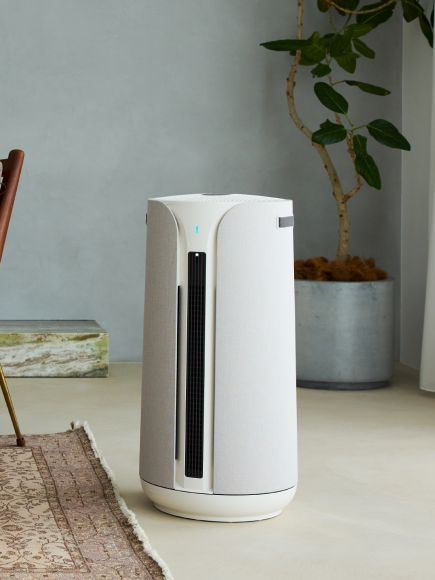
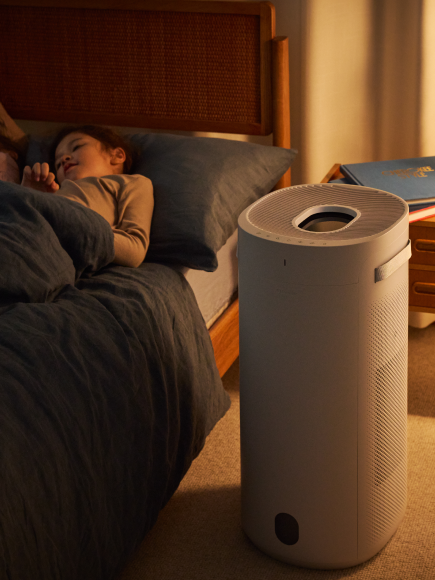
An air purifier does not replace any of the steps above, but adds a continuous layer of protection by removing the airborne particles that trigger asthma symptoms. Dust mite debris, mold spores, pollen, pet dander, and fine smoke particles all remain suspended in indoor air long enough to be inhaled repeatedly.
HEPASilent™ technology captures 99.97% of airborne particles down to 0.1 microns using a combination of mechanical and electrostatic filtration. Because the filter design uses lower resistance than standard HEPA, Blueair purifiers deliver up to 45% more clean air at significantly lower noise levels, making overnight bedroom use practical.
For asthma management, prioritize the bedroom first, then the living room or any room where the most waking hours are spent. Match the purifier to the room size so the unit can run quietly on a lower setting while still cycling the air effectively. Blueair offers models for small rooms through extra-large spaces.
One important note for asthma households: avoid air purifiers with ozone-generating ionizers, as ozone is itself a respiratory irritant. All Blueair purifiers are Zero Ozone Verified by Intertek, emitting less than 5 parts per billion.
For households dealing with both dry winter air and asthma triggers, Blueair's 2-in-1 Pro combines HEPASilent™ air purification with InvisibleMist™ humidification, maintaining the 30 to 50 percent humidity range that protects airways while keeping the air free of particles.
Step 7: Maintain HVAC systems and replace filters on schedule
Central heating and air conditioning systems circulate air through every room. A clogged or low-quality filter recirculates the very particles that trigger asthma symptoms.
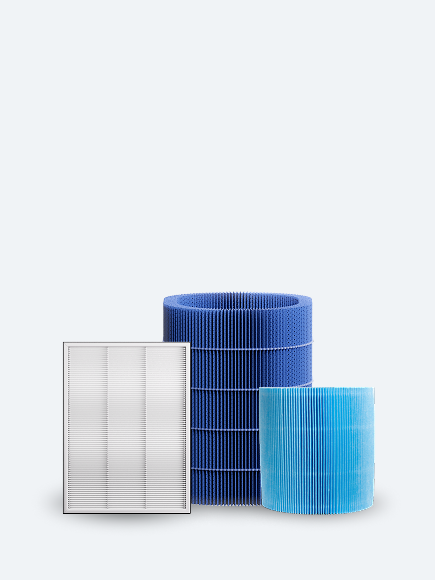
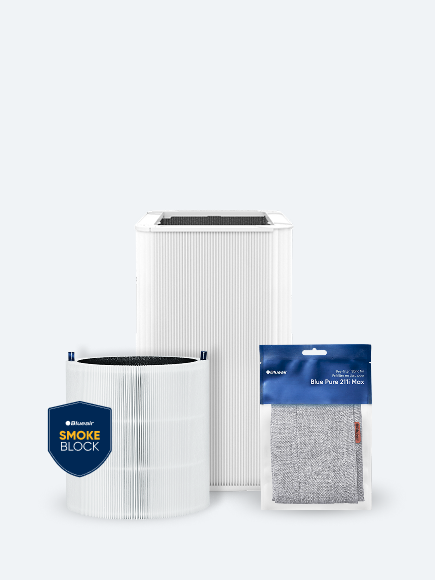
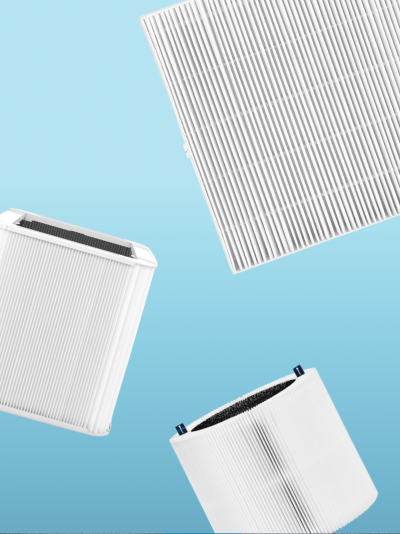
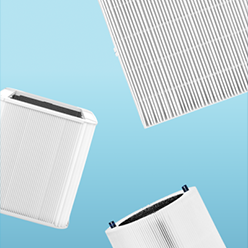
Replace HVAC filters every 1 to 3 months during regular use. MERV 13-rated filters are recommended for asthma households, as they capture finer particles than standard fiberglass filters. Clean and dust heating vents and return registers regularly. For standalone air purifier filters, replace every 6 to 9 months, depending on use. After installing a new Blueair filter, press and hold the fan speed button for 15 seconds to reset the indicator. A filter subscription saves 15% and delivers automatically so replacement never gets forgotten.
Breathing easier starts with small, consistent changes at home. Browse Blueair air purifiers sized for every room in the house.
FAQs
Can cleaning itself trigger asthma?
Yes. Sweeping, dry dusting, and using chemical-heavy cleaning products can temporarily worsen indoor air by re-suspending particles and releasing VOCs. Use damp cloths for dusting, a HEPA-grade vacuum for floors, and fragrance-free cleaning products. Keep anyone with asthma out of the room during cleaning and for 15 to 20 minutes afterward.
Do air purifiers help with asthma?
Air purifiers with high-efficiency filtration remove the airborne triggers (dust mite allergens, mold spores, pollen, pet dander, smoke) that provoke asthma symptoms. A purifier does not treat asthma itself, but reducing trigger exposure can help prevent flare-ups and support better breathing, especially overnight. More on air purifiers and respiratory conditions.
What humidity level is best for asthma?
Between 30 and 50 percent is the recommended range. Below 30 percent, dry air irritates airways and thickens mucus. Above 50 percent, mold and dust mites thrive. A hygrometer helps track levels, and a humidifier or dehumidifier (depending on the season) keeps the home in the safe zone.
Should asthma sufferers keep windows open or closed?
Both, depending on conditions. Fresh air ventilation reduces indoor pollutant buildup, but on high-pollen days, during wildfire smoke events, or when outdoor air quality is poor, keeping windows closed and running an air purifier is the safer choice. Check the local AQI forecast before opening up.