














-
Your sleep environment changes with the seasons—and so do the factors that impact how well you rest. From spring allergies to winter dryness, the air in your bedroom can play a major role in sleep quality.
Spring & Fall: Allergens and Air Quality
Seasonal allergens can make restful sleep harder to achieve.
“In the Spring, pollen is a huge problem… and in the fall, mold (wet leaves, etc.) is a problem as well, so I think the seasonal allergy issues are real,” says Dr. Chris Winter, sleep expert and Blueair medical ambassador.
Congestion, irritation, and disrupted breathing can all interfere with sleep.
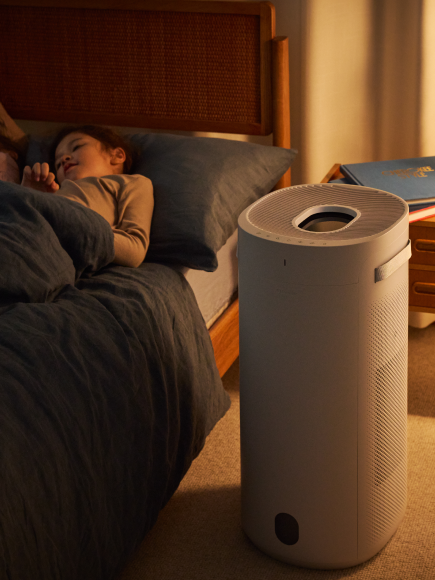
“In those moments, improving the bedroom environment—whether that’s managing allergens or using an air purifier—can make a meaningful difference in overall sleep quality,” he adds.
Winter: Dry Air Discomfort
Cold weather often brings dry indoor air due to heating systems.
“In terms of humidity, yes, dry air in the winter is a known issue for sleep,” says Dr. Winter.
This can lead to throat irritation, dry nasal passages, and nighttime discomfort—making balanced humidity key to a more comfortable sleep environment.

-
Summer: Balancing Temperature and Humidity
Warmer months introduce a different challenge: managing humidity alongside temperature.
“For me, humidity in the warmer months has more to do with sleep comfort…many people can sleep comfortably at higher room temperatures if humidity is low,” Dr. Winter explains.
However, air conditioning can overcorrect.
“Modern AC units can easily remove too much moisture…so putting a little back in the bedroom can be helpful,” he says.
Better Air, Better Sleep—All Year Long
Each season brings unique challenges, but the goal stays the same: clean, balanced air.
By managing allergens, improving air quality, and maintaining proper humidity, you can create a sleep environment that supports comfort and rest—no matter the season.
