















-
In the early months, sleep can feel unpredictable—for both babies and parents. While there’s no one-size-fits-all routine, creating a calm, supportive environment can make a meaningful difference in helping newborns settle and rest more easily.
According to Dr. Angela Bell, focusing on consistency, comfort, and your baby’s natural cues is key to building a healthy foundation for sleep.
Gentle Activities That Help Newborns Wind Down
Newborns thrive on simple, soothing signals that tell their bodies it’s time to rest.
“I often tell parents that newborns respond best to calm, predictable cues,” says Dr. Bell. “These cues help them recognize when it’s time to wind down and sleep.”
Some of the most effective calming activities include:
- Gentle rocking or swaying
- Soft music or white noise
- A warm, relaxing bath
Just as important as the routine itself is the environment in which it happens.
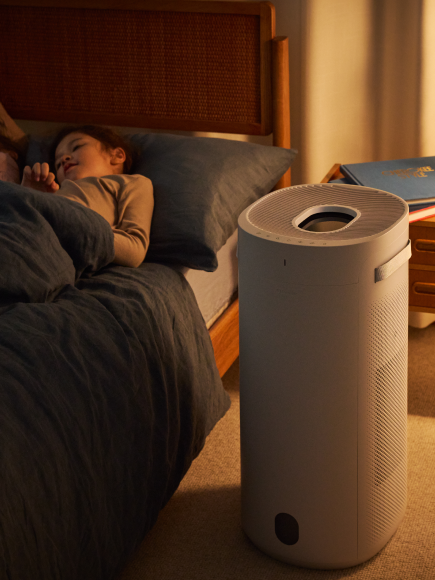
“Keeping the nursery consistent plays a big role,” Dr. Bell explains. “Clean, comfortable air supports easier breathing and helps create a deeper sense of calm.”
Maintaining balanced humidity and air quality can help create a peaceful space where babies can settle more easily and drift off to sleep.
Why a Dim and Quiet Environment Matters
Newborns are especially sensitive to their surroundings, and too much stimulation can make it harder for them to relax.
“A dim and quiet environment helps prevent overstimulation and allows babies to feel secure,” says Dr. Bell.
Soft lighting mimics the womb, signaling safety and calm, while reduced noise helps support a baby’s developing nervous system.
“Gentle light and soothing sound, combined with clean air, can make a big difference in helping newborns fall—and stay—asleep,” she adds.
Creating a space that balances these elements can support both relaxation and healthier indoor air, setting the stage for more restful sleep.
Following Your Baby’s Natural Cues
In the earliest months, strict schedules often take a backseat to responsiveness.
“I encourage parents to follow their baby’s natural rhythms rather than forcing a rigid schedule,” Dr. Bell explains. “Paying attention to cues like tiredness, hunger, or overstimulation helps build trust and supports better rest.”
A consistent environment can make it easier to recognize and respond to those cues.
“Stable temperature, balanced humidity, and clean air all help babies feel more comfortable and secure,” she says.
By maintaining these conditions, parents can create a supportive sleep environment that adapts to their baby’s needs in real time.

-
Building a Peaceful Sleep Space
While routines and cues are important, the overall sleep environment ties everything together. Small adjustments—like managing light, sound, and air quality—can have a big impact on how easily a newborn settles.
“Ultimately, it’s about creating a space where your baby feels calm, comfortable, and supported,” says Dr. Bell. “When those elements are in place, sleep often comes more naturally.”
Helping your newborn sleep better starts with creating the right environment—one that feels safe, soothing, and consistent from day to night.