











-
That stuffy, pressure-filled feeling behind the eyes and cheeks is not always a cold. For millions of Americans dealing with sinus issues, the humidity level at home can be the hidden trigger, making everything worse. Both extremes, air that is too dry and air that is too moist, irritate sinus passages and invite problems.
The good news is that indoor air quality and humidity are largely within your control. Here is what actually happens to sinuses at different humidity levels, and what practical steps help.
How Sinuses Work (and Why Humidity Matters)
Sinuses are air-filled cavities in the skull, lined with a delicate mucous membrane covered in tiny hair-like structures called cilia. The membrane produces mucus while the cilia sweep it out, trapping dust, bacteria, pollen, and other irritants.
Both the mucus and cilia need a specific moisture balance to function. When the air is too dry, mucus thickens and cilia slow down. When the air is too humid, cilia become sluggish, and the damp environment becomes a breeding ground for mold and dust mites.
What High Humidity Does to Sinuses

-
Yes, high humidity can absolutely mess with sinuses. When indoor humidity climbs above 50 percent, several problems compound.
Mold growth accelerates. Mold spores thrive in damp environments and are one of the most potent triggers for sinus inflammation, congestion, and infection. Bathrooms, basements, and poorly ventilated bedrooms are common hotspots. More on mold and indoor air.
Dust mites multiply. Dust mites reproduce rapidly in humid conditions and produce allergenic waste that triggers sneezing, congestion, and postnasal drip, all of which worsen sinus symptoms.
Cilia dysfunction sets in. The tiny hairs that sweep mucus out of sinus passages become less efficient in very humid air, allowing mucus to pool and bacteria to accumulate. Blocked sinuses are an invitation for infection.
Barometric pressure shifts add discomfort. Summer humidity often coincides with weather-pattern changes that can cause sinus headaches and facial pressure even without an active infection.
Is 70 percent humidity too high?
Absolutely. At 70 percent indoor humidity, mold growth becomes nearly unavoidable, and dust mite populations explode. The EPA recommends keeping indoor humidity between 30 and 50 percent. Anything above 60 percent is problematic for both sinus health and general indoor air quality.
What Low Humidity Does to Sinuses
Winter brings the opposite problem. Heating systems strip moisture from indoor air, often pushing humidity below 20 percent in colder climates.
- Mucus dries out. When the mucous membrane loses moisture, the protective layer of mucus becomes thick and sticky, clogging passages instead of clearing them.
- Sinus passages crack and bleed. Extremely dry air can cause delicate sinus tissue to dry out, crack, and bleed. Nosebleeds are far more common in dry winter months.
- Infection risk rises. Dry, cracked sinus tissue is more vulnerable to viral and bacterial invasion, leaving the door open for pathogens.
The Best Indoor Climate for Sinus Sufferers

-
No single outdoor climate eliminates sinus problems, but the indoor environment is controllable regardless of location. Aim for these targets.
Humidity: 40 to 50 percent. A hygrometer (available for under $15) provides a quick read. For homes that run dry in winter, a humidifier restores moisture to the safe range. For homes in humid climates or during summer months, a dehumidifier or air conditioning pulls excess moisture out. More on humidity and health.
Temperature: 68 to 72°F. Extreme heat dries sinuses through dehydration, and rapid temperature swings (walking from AC into summer heat) can trigger sinus membrane swelling.
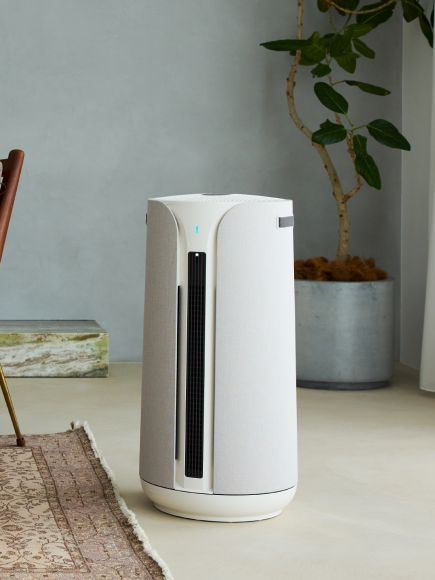
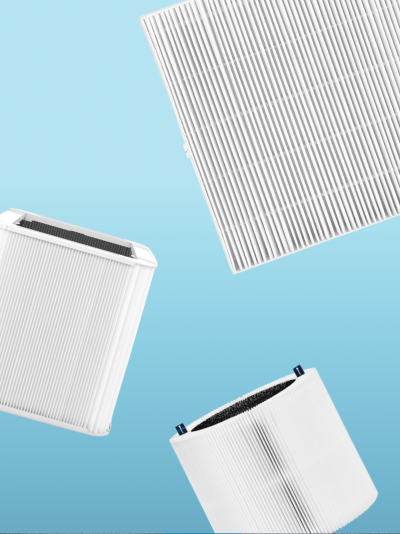
Clean air: low particle count. Even at perfect humidity, airborne allergens like mold spores, pollen, and dust mite debris irritate sinuses. An air purifier with high-efficiency filtration removes the particles that trigger flare-ups. HEPASilent™ technology captures 99.97% of particles down to 0.1 microns, including the mold spores and dust mite allergens most commonly linked to chronic sinus irritation.
Does a Dehumidifier Help With Sinus Issues?
A dehumidifier can help when excess humidity is the root cause. Pulling moisture out of the air slows mold growth, reduces dust mite populations, and makes the indoor environment less hospitable to biological allergens.
However, a dehumidifier only removes moisture. Mold spores, dust mite debris, and pollen already in the air remain in circulation. For complete relief in humid environments, pairing a dehumidifier with an air purifier addresses both the moisture problem and the particle problem.
In dry environments, the opposite applies. A humidifier adds needed moisture, while a purifier keeps the air free of irritants that dry, compromised passages cannot filter on their own.
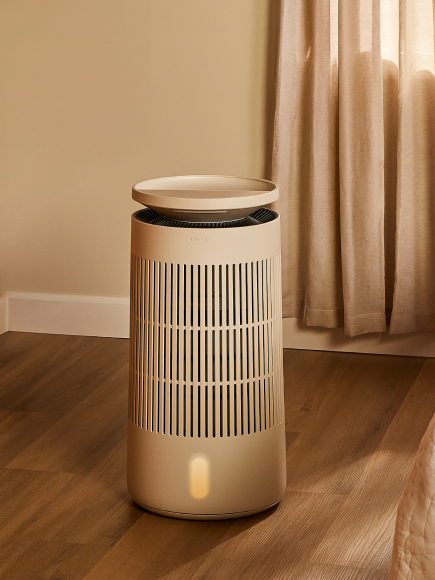
For anyone dealing with both dry air and air quality concerns, a 2-in-1 device handles both jobs. Blueair's 2-in-1 Pro combines HEPASilent™ air purification with InvisibleMist™ humidification, removing airborne particles while maintaining optimal humidity. Co-created with dermatologists, the DermaSense™ Smart Skin mode optimizes humidity for skin health, and the anti-microbial filter prevents mold and bacteria buildup. More on mist-free humidification.
5 Practical Steps for Sinus-Friendly Air at Home
- Monitor humidity. Use a hygrometer or smart home sensor to track levels daily, especially in bedrooms and basements.
- Match the solution to the season. Humidify in winter. Dehumidify (or run AC) in summer. The goal is always 30 to 50 percent, ideally 40 to 50.
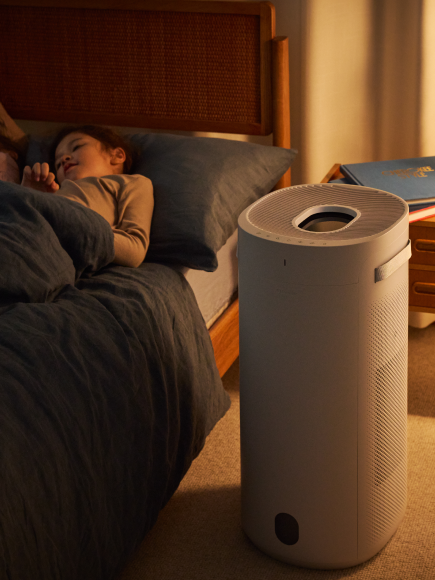
- Run an air purifier in the bedroom. Overnight is when sinuses are most vulnerable, spending 7 to 8 hours breathing the same enclosed air. A purifier sized for small or medium rooms running on a quiet setting removes allergens while you sleep.
- Keep soft surfaces clean. Wash bedding weekly in hot water, vacuum with a HEPA-grade vacuum, and reduce carpet where possible to limit dust mite habitat.
- Ventilate when outdoor air quality is good. Opening windows for 5 to 10 minutes daily flushes stale air and dilutes indoor pollutants. On high-pollen or high-humidity days, keep windows closed and let the purifier do the work.
Healthier sinuses start with the air at home. Browse Blueair air purifiers and humidifiers to find the right fit for your space.
FAQs
Can weather changes cause sinus infections?
Rapid shifts in temperature, humidity, and barometric pressure can trigger sinus membrane swelling and mucus buildup. The weather itself does not cause infection, but it creates conditions where bacteria thrive.
Should sinus sufferers use a humidifier or a dehumidifier?
Match the device to the humidity reading. Below 30 percent, humidify. Above 50 percent, dehumidify. The goal is 40 to 50 percent.
Do air purifiers help with sinus problems?
Air purifiers remove the airborne particles (mold spores, pollen, dust mite allergens, pet dander) that cause sinus inflammation. While a purifier does not treat an active infection, reducing trigger exposure can help prevent flare-ups.
When should a doctor be consulted?
Sinus symptoms lasting more than 10 days, severe facial pain, high fever, or symptoms that worsen after initial improvement warrant medical evaluation.