











-
The air inside a home can be two to five times more polluted than the air outside, according to the EPA. In some cases, indoor pollutant levels reach 100 times higher than outdoor concentrations. Given that Americans spend roughly 90 percent of their time indoors, the quality of that air shapes long-term health more than most people realize.
The good news is that once the sources are identified, most indoor air problems are fixable with straightforward changes.
The 4 Major Indoor Air Pollutants
Environmental and public health agencies consistently identify four broad categories of indoor air pollutants that affect the most households.
1. Particulate matter (PM2.5 and PM10)
Fine particles smaller than 2.5 microns (PM2.5) are the most health-damaging indoor pollutants because they penetrate deep into the lungs and even enter the bloodstream. Sources include cooking (especially frying and grilling), candles, incense, tobacco smoke, fireplaces, and wood-burning stoves. Dust, pet dander, and mold spores also fall into this category as larger particulates.
Health effects range from short-term irritation of the eyes, nose, and throat to long-term cardiovascular and respiratory disease. For people with asthma or allergies, even moderate particulate levels can trigger symptoms.
2. Volatile organic compounds (VOCs)
VOCs are chemical gases released from everyday household products. Common sources include paints, varnishes, cleaning sprays, air fresheners, new furniture, pressed-wood cabinetry, carpeting, adhesives, and personal care products like hair spray and nail polish remover.
Formaldehyde, one of the most prevalent VOCs, off-gases from pressed-wood products made with urea-formaldehyde resins, which are found in particleboard, plywood paneling, and medium-density fiberboard used in furniture and cabinetry. Exposure can cause watery eyes, burning sensations in the eyes and throat, nausea, and difficulty breathing. At elevated levels, formaldehyde has been classified as a known human carcinogen. More on VOCs and odors at home.
3. Combustion byproducts
Gas stoves, fireplaces, wood-burning stoves, unvented kerosene heaters, and tobacco smoke all release combustion gases into indoor air. The primary pollutants include carbon monoxide (CO), nitrogen dioxide (NO2), and fine particulate matter.
Carbon monoxide is odorless and potentially fatal at high concentrations. Nitrogen dioxide irritates the airways and is particularly concerning for children. Gas stoves, used for cooking in more than half of American homes, are a significant source of NO2 exposure indoors.
4. Biological contaminants
Mold, dust mites, pet dander, cockroach droppings, bacteria, viruses, and pollen make up the biological category of indoor pollutants. Moisture drives much of this problem. Mold thrives wherever humidity stays above 50 percent, particularly in bathrooms, basements, and kitchens. Dust mites multiply in warm, humid bedding and carpet. Pet dander and saliva proteins accumulate on soft surfaces and recirculate through HVAC systems.
Biological contaminants trigger allergic rhinitis, worsen asthma, and can cause infectious illness when bacteria or viruses circulate in poorly ventilated spaces.
Other Indoor Pollutants Worth Knowing About
- Radon. A colorless, odorless radioactive gas that seeps into homes through foundation cracks. The EPA estimates radon causes approximately 21,000 lung cancer deaths per year in the US. Inexpensive testing kits are available at hardware stores.
- Asbestos. Found in insulation, floor tiles, and ceiling panels in pre-1980 homes. Intact materials generally pose no risk, but remodeling can release dangerous fibers. Professional assessment is recommended before disturbing suspect materials.
- Lead. Lead-based paint in homes built before 1978 creates lead dust on floors and surfaces where children play.
The Biggest Indoor Air Problem Globally
Worldwide, household air pollution from cooking with solid fuels (wood, dung, coal) causes an estimated 3.8 million deaths per year according to the World Health Organization, primarily in low- and middle-income countries. In the United States, the primary concerns are particulate matter from cooking and combustion, VOCs from household products, biological allergens, and radon.
5 Practical Steps to Reduce Indoor Air Pollutants

-
Ventilate intentionally
Opening windows for 5 to 10 minutes daily flushes accumulated pollutants. Run exhaust fans during and after cooking and showering. Make sure all fuel-burning appliances vent to the outside. On days when outdoor air quality is poor (high pollen, wildfire smoke, or high AQI readings), keep windows closed and rely on mechanical filtration.
Control moisture
Keep indoor humidity between 30 and 50 percent to limit mold and dust mite growth. Use exhaust fans in kitchens and bathrooms, fix leaks promptly, and run a dehumidifier in damp areas like basements. For dry climates or winter months when heating strips moisture from the air, a humidifier restores comfortable levels.
Reduce chemical sources
Choose low-VOC or zero-VOC paint. Skip aerosol sprays, plug-in air fresheners, and scented candles. Switch to fragrance-free, non-toxic cleaning products. Air out new furniture in a well-ventilated space before bringing items into bedrooms or living areas. Building a non-toxic home environment reduces the invisible chemical load that accumulates over time.
Clean strategically
Damp-mop floors and wipe surfaces with damp microfiber cloths instead of dry dusting, which re-suspends particles. Vacuum weekly with a HEPA-grade vacuum. Wash bedding in hot water weekly. Groom pets regularly and keep them out of bedrooms if allergy symptoms are present.
Run an air purifier where it matters most
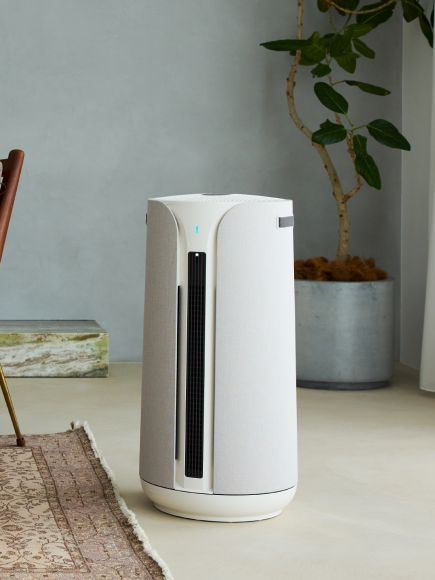
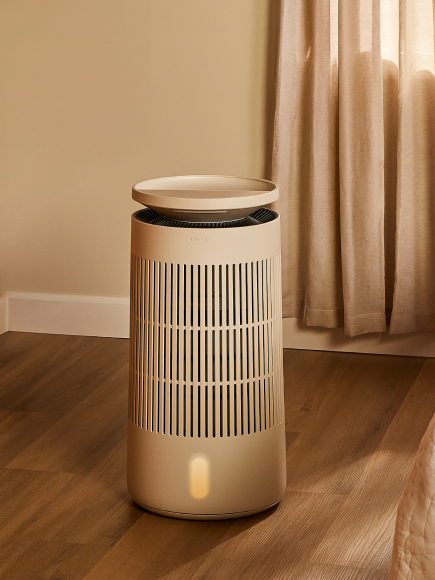
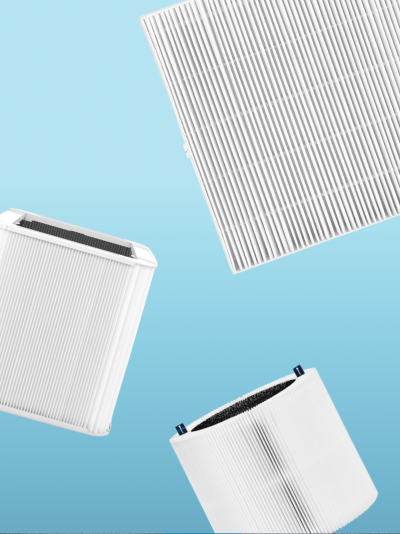
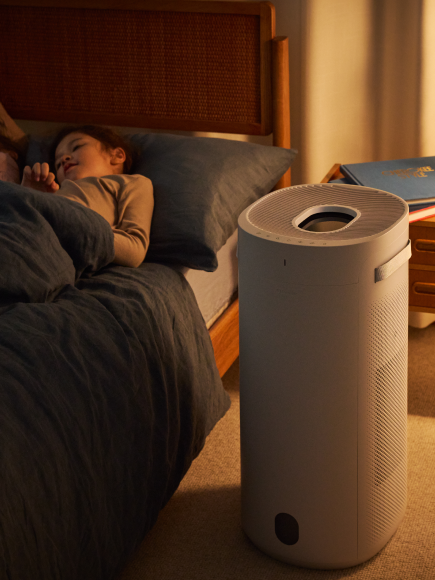
An air purifier with high-efficiency filtration continuously removes the particles that cleaning and ventilation leave behind. HEPASilent™ technology captures 99.97% of airborne particles down to 0.1 microns, including PM2.5, mold spores, dust mite debris, pet dander, and bacteria. Because the lower-resistance filter design requires less fan power, Blueair purifiers run quietly enough for overnight bedroom use while consuming less energy than a lightbulb.
Prioritize the bedroom first, since 7 to 8 hours of uninterrupted sleep represents the longest single exposure window. A second unit in the living room or home office extends protection through waking hours. Match purifier size to room size for the best balance of quiet operation and effective air changes.
All Blueair purifiers are Zero Ozone Verified by Intertek (less than 5 parts per billion), which matters because some air cleaning technologies generate ozone as a byproduct, and ozone is itself a respiratory irritant.
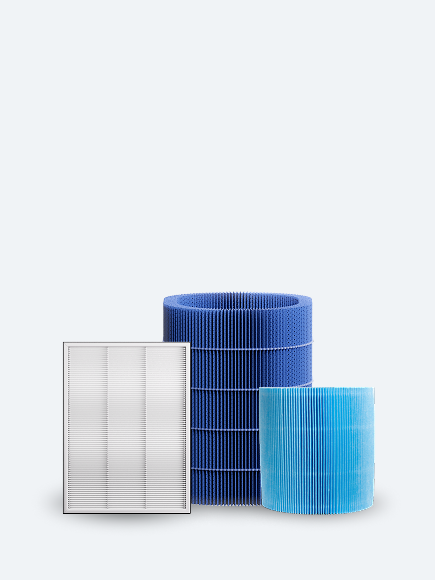
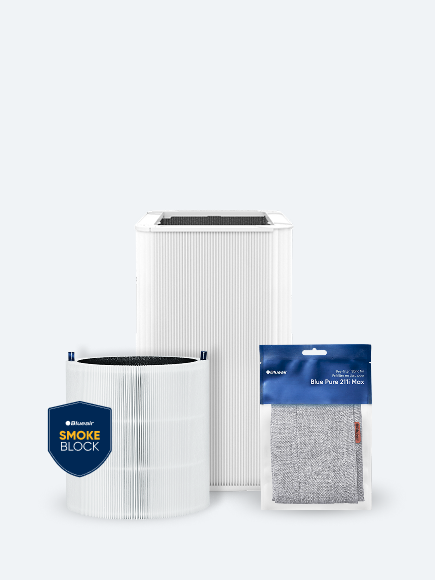
Replace filters every 6 to 9 months. After installing a new filter, press and hold the fan speed button for 15 seconds to reset the indicator. A filter subscription saves 15% on every delivery.
FAQs
What is the most common indoor air pollutant in US homes?
Particulate matter from cooking, combustion sources, and biological allergens (dust, pet dander, mold) represents the most widespread indoor air quality concern across American households.
Can indoor air pollution cause long-term health problems?
Yes. Chronic exposure has been linked to respiratory disease, cardiovascular disease, cognitive impairment, and cancer (particularly from radon and formaldehyde). Children, older adults, and people with preexisting conditions face the greatest risk.
Cleaner indoor air starts with knowing what is in the air. Browse Blueair air purifiers for every room in the home.