











-
Why You Need an Air Purifier
You’re here for a reason. Maybe someone in your family deals with allergies that won’t quit. Maybe you’ve noticed wildfire smoke more often. Maybe asthma symptoms are harder to manage than they used to be. These matter. Air quality directly affects how your family feels every single day.
Here’s the truth: you don’t need the fanciest model. You need one that actually works for your situation, fits your budget, and you’ll realistically maintain. That’s what this list covers.
#1: Blue Pure 511i Max Best for Small Rooms & Bedrooms

-
Price: $119.99 (on sale from $139.99) | CADR: 174 Pollen | Room Size: 237 sq ft | Energy: 17W
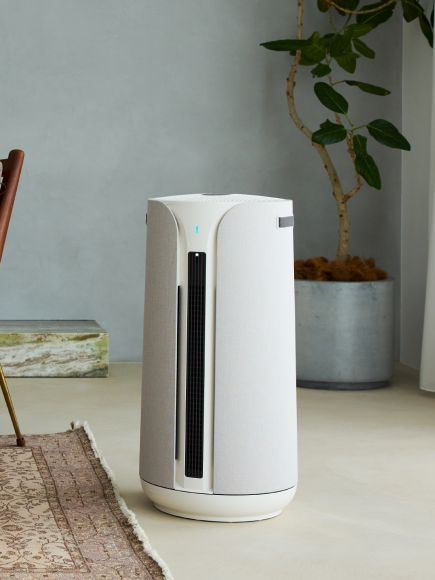
This compact powerhouse is perfect for bedrooms, offices, nurseries, or any smaller space. At just 4.2 pounds with a 9.3-inch footprint, it fits anywhere. The most energy-efficient Blueair model runs on barely more electricity than an LED light.
Why it wins: Mechanical + electrostatic filtration makes this super efficient despite its size. Whisper-quiet (19-48 dB) you can actually run it at night without it bothering you. Smart features work great for families who like app control and auto-adjusting fans.
The honest limit: If your room is larger than 250 sq ft or you need more CADR, step up to the 311i Max.
#2: Blue Pure 311i Max Best for Most Families

-
Price: $199.99 (on sale from $229.99) | CADR: 365 Pollen | Room Size: 439 sq ft | Energy: 32W
This is where most families find their answer. Powerful enough to notice real air quality improvement, quiet enough to run 24/7, reasonably priced for what you get. The 365 CADR is noticeably stronger than smaller models, but doesn’t use excessive electricity.
Why it wins: Perfect for master bedrooms, living rooms, and home offices. On lower speeds (where you’ll actually run it most of the time), it’s genuinely quiet (23-50 dB). For allergies or asthma, many people report measurable improvement within 2-3 weeks.
The honest limit: Large open floor plans need the 211i Max. Want voice control? Step up to the 311i+ Max for $50 more.
#3: Blue Pure 211i Max Best for Large Spaces

-
Price: $299.99 (on sale from $349.99) | CADR: 450 Pollen | Room Size: 674 sq ft | Energy: 46W
Legitimately powerful. The 450 CADR handles large living areas or keeps air consistently clean throughout bigger homes. At 46 watts, the same as a desk lamp running continuously costs less than you’d expect.
Why it wins: For families with open floor plans or large living areas, one powerful unit beats multiple smaller ones. Serious performance for wildfire smoke and severe allergies. Advanced sensors track PM1, PM2.5, and PM10 for detailed air quality insights.
The honest limit: Larger footprint in your space (22.7" tall). But performance justifies it.
#4: Coway Airmega 400S Best Budget Option
Price: $250-300 | CADR: 294 | Room Size: 409 sq ft | Energy: 30-60W
Coway has earned a solid reputation for reliability. This model does what it promises: cleans the air at a reasonable price. Good choice if budget is your main constraint right now.
Why it works: Straightforward HEPA filtration you can count on. CADR of 294 is solid for the price. Affordable replacement filters. No unnecessary complexity.
The honest math: Over 5 years, Coway costs more to run because it uses more electricity. Blueair’s mechanical + electrostatic efficiency usually means lower total cost of ownership. But if the budget is tight today, this works fine.
#5: Dyson Pure Hot+Cool Link
Price: $600+ | Features: Heating, cooling, purification in one
Dyson is genuinely beautiful. If how something looks in your home matters to you, Dyson solves a problem other purifiers don’t address. You also get heating and cooling built in.
Why it appeals: Doesn’t look like an air purifier looks like a premium home appliance. Multi-function appeal is real.
The honest truth: You’re paying significantly for design and features. You could buy a Blue Pure 211i Max (stronger CADR, quieter, $300 cheaper) and still have money left. If design is a priority and the budget isn’t tight, it’s worth it. If pure air-cleaning performance per dollar matters most, other options win.
How to Actually Choose

-
1. Measure your room in square feet
Add 20-30% to account for realistic placement and air flow. This gives you your target CADR.
2. Think about your specific needs
Allergies/asthma → 311i Max or 211i Max
Small bedroom → 511i Max
Large open area → 211i Max
Budget is the primary concern → Coway
Design matters significantly → Dyson
3. Calculate 5-year cost
Write down: purchase price + filter replacements every 6-9 months + annual electricity × 5 years. This usually changes the decision.
4. Check noise at low-medium speeds
That’s where you’ll actually run it. High-speed noise matters less.
5. Commit to filter maintenance
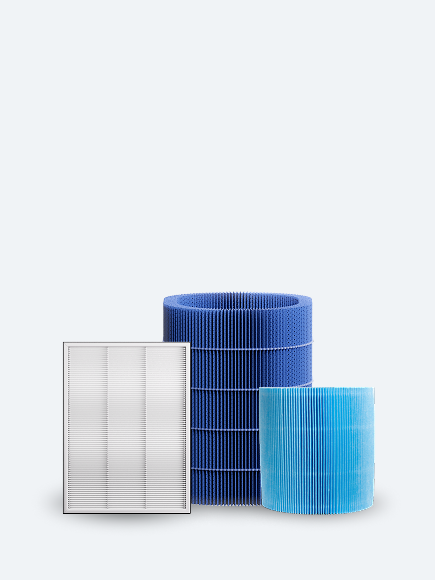
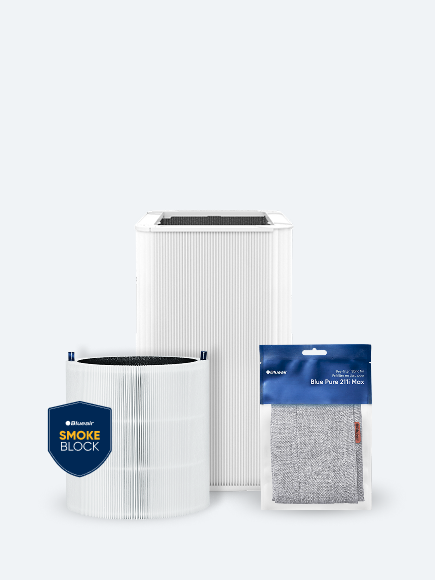
A clogged filter defeats the purpose. Set up filter subscriptions if available they save 15% and ensure you stay on schedule.
The Bottom Line
The best air purifier is the one that:
- Fits your room size (oversized slightly, not undersized)
- Solves your actual problem (allergies, smoke, general quality)
- Costs what you can actually afford (looking at 5-year total, not sticker price)
- RuRuns quietly enough, you’ll use it (24/7 beats occasionally)Gets maintained consistently (filter replacements every 6-9 months)
Your family deserves clean air at home. Make sure your choice actually delivers that.
Ready to Start?
Browse Blueair purifiers by room size or take the guided quiz for personalized recommendations.
Use the framework above for any brand you’re considering. The best choice respects your budget, fits your space, and actually gets used consistently.
Learn More: Room Sizing Guide | Filter Subscriptions | Air Quality & Health
FAQs
Q. Will this actually help my allergies?
Yes, if properly-sized and maintained. Most people notice improvement within 2-3 weeks: less dust settling, fewer nighttime symptoms, fewer morning flare-ups.
Q. What about wildfire smoke?
Go one size larger than your room technically requires and run continuously. Mechanical + electrostatic filtration (Blueair models) handles fine smoke particles well. Electricity cost is minimal.
Q. Dyson or Blueair?
Dyson if design and heating/cooling matter and budget allows. Blueair if air-cleaning performance per dollar is the priority. Both work with different priorities.
Q. Can I return it if it doesn’t help?
Most retailers offer 30-day returns. Give it 3-4 weeks of actual use. That’s how long real changes take to notice.
Q. What if I have pets?
Any of these helps with pet dander. Mechanical + electrostatic models (Blueair) are slightly more effective. Consider a two unit set for the bedroom and main living area to manage dander across your home.
Q. Are expensive air purifiers worth it?
Not always. Our testing shows mid-range models ($250-400) like Blueair's Blue Pure series match or exceed premium brands in CADR and filtration efficiency. You're paying for design and brand name above $500. Focus on HEPA certification and room coverage, not price.