









-
Waking up congested, sneezing through the night, or struggling to breathe during allergy season makes a home feel less like a sanctuary. Choosing the right air filter makes a measurable difference. With many options available, understanding what actually works helps you identify the best solution for your specific health needs.
Why Indoor Air Quality Matters
Most people spend about 90 percent of their time indoors, where air can be up to five times more polluted than outdoor air. Dust, pet dander, pollen, mold spores, and volatile organic compounds accumulate in enclosed spaces. For allergy and asthma sufferers, these invisible particles trigger symptoms that disrupt sleep, concentration, and daily comfort.
Quality air filtration actively removes these contaminants, creating a cleaner breathing environment. However, not all filtration systems perform equally. Understanding the differences between filtration technologies helps you identify the best choice for your individual health goals.
What Makes an Air Filter Effective

-
When searching for the best air filter for allergies or asthma, focus on these key factors: particle capture rate (how small of particles can it trap), Clean Air Delivery Rate or CADR (how quickly does it purify the room), noise level (can it run at night without disruption), and energy efficiency (is it practical for continuous use).
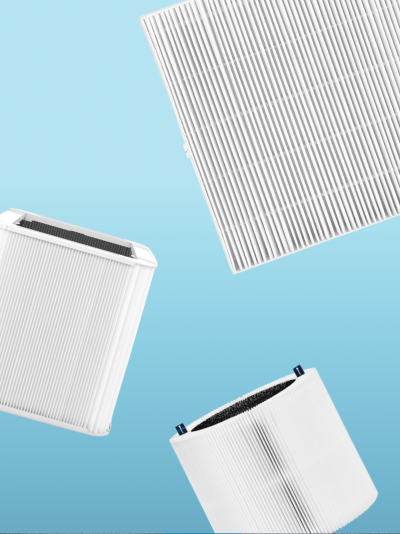
Standard HEPA filters capture 99.97 percent of particles at 0.3 microns. While effective, newer technologies surpass these benchmarks. Blueair's proprietary HEPASilent™ technology combines mechanical filtration with electrostatic charging. As air passes through the purifier, particles receive an electrical charge that makes them adhere to filter fibers more effectively. The result captures 99.97 percent of airborne particles down to 0.1 microns.
To put that in perspective, pollen grains measure around 10 microns. HEPASilent™ technology captures particles 100 times smaller, including fine dust, bacteria, and smoke particles that standard filters might miss.
Best Air Filter for Homes with Allergies

-
Models like the Blue Pure 311i Max handle medium-sized spaces up to 439 ft², while the Blue Pure 211i Max covers larger living areas up to 674 sq. ft.
For compact spaces like bedrooms or home offices, smaller units like the Blue Pure 511i Max provide effective filtration without taking up much floor space.
Best Air Filter for Homes with Asthma Patients

-
Asthma management requires eliminating triggers before they cause respiratory distress. Smoke particles, fine dust, and airborne irritants can provoke attacks even in controlled environments.
Reducing indoor particulate matter improves asthma control and respiratory function. Studies show that using advanced air filters leads to measurable health improvements for people with respiratory sensitivities.
Units with dual-intake design capture particles from both floor level and above, targeting the zones where dust and allergens concentrate most. Benefits for asthma management include continuous operation with minimal energy consumption, real-time air quality monitoring, automatic adjustment to changing air conditions, and quiet operation up to 67 percent quieter than traditional HEPA purifiers.
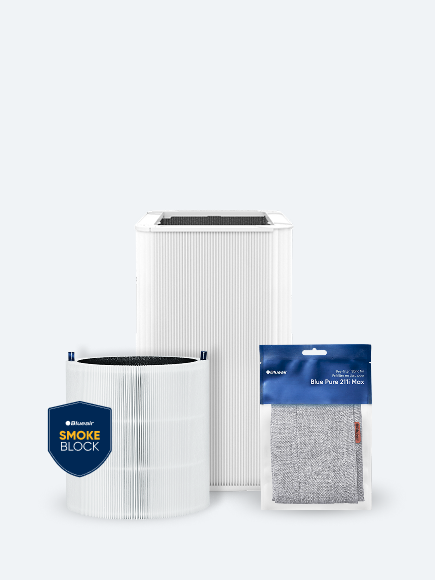
The Blue Pure 311i+ Max includes technology that prevents bacterial growth on the filter between uses, an important feature for maintaining clean air when the unit isn't actively running.
Comparing Filtration Technologies

-
Understanding available options helps make an informed decision. HVAC furnace filters rated MERV 11 to 13 capture dust, pollen, and some finer particles. However, they only work when heating or cooling systems run, leaving gaps in protection.
Portable air purifiers with advanced filtration provide continuous, targeted filtration in specific rooms. Whole-house systems integrate with existing HVAC infrastructure for comprehensive coverage but require professional installation.
For most households, portable air purifiers offer the best balance of effectiveness, convenience, and control.
Features to Prioritize for Home Health and Comfort
When selecting the best air filter for home health, prioritize room size coverage by matching the purifier's capacity to your space. Look for noise levels under 30 decibels for bedroom use. Many Blueair models operate as quietly as 18-23 dB on their lowest settings. Smart filter replacement indicators prevent performance drops.
Energy-efficient designs allow continuous use without excessive electricity consumption. App control and air quality monitoring add convenience. Third-party certifications like AHAM Verifide confirm that performance claims have been independently tested.
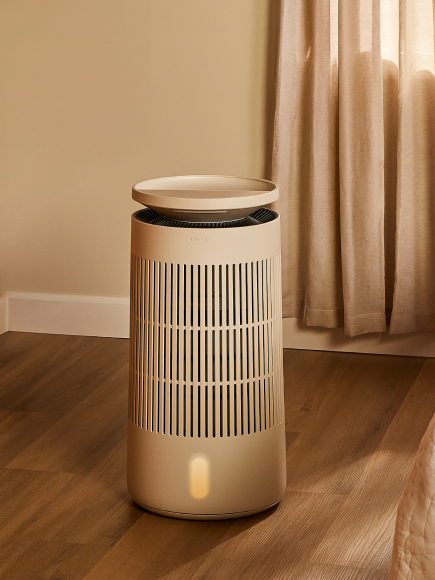
Blueair air purifiers combine powerful performance with thoughtful design, delivering clean air without compromising home aesthetics.
FAQs
What is the best air filter for home use?
The best air filter combines high particle capture rates with adequate CADR for your room size. Look for units using advanced filtration technology that captures 99.97 percent of particles down to 0.1 microns while operating quietly and efficiently.
What is the best air filter for allergies?
Air purifiers with true HEPA or HEPASilent™ filtration excel at removing allergy triggers like pollen, dust mites, and pet dander. Models with activated carbon also eliminate odors and volatile organic compounds that may worsen symptoms.
What is the best air filter for asthma?
Asthma sufferers benefit from purifiers that remove ultrafine particles and run continuously. Choose a unit with automatic sensors that adjust to changing air quality, ensuring consistent protection without manual monitoring.
How often should I replace my air filter?
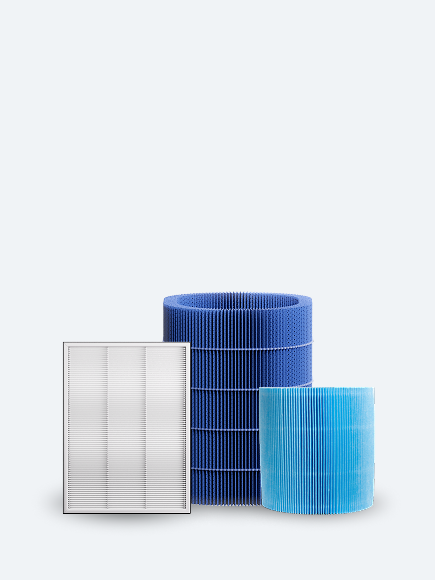
Most air purifier filters require replacement every 6 to 9 months, depending on usage and air quality. Models with RealTrack technology monitor filter life based on actual pollutant levels and usage patterns, providing more accurate replacement timing than standard time-based indicators.
Clean air supports better health, deeper sleep, and improved daily comfort. With the right air filter working in your home, every breath becomes a step toward better well-being.