









-
Dealing with stuffy, damp air and indoor allergens at the same time is exhausting. The appeal of an all-in-one air purifier dehumidifier combo is obvious: one device, one plug, one solution. But before spending money on a combo unit, understanding what each function actually does, and whether a combined device can do both well, matters more than most product pages will admit.
What an Air Purifier Does vs. What a Dehumidifier Does

-
Both devices improve indoor air quality, but they solve different problems.
Air Purifiers Remove Particles
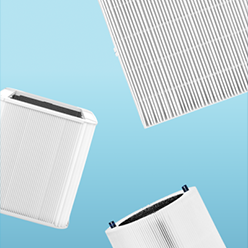
An air purifier draws in room air and passes it through filters that trap airborne pollutants. Pollen, dust, pet dander, smoke particles, mold spores, and bacteria all get captured. Units equipped with HEPASilent™ technology combine mechanical and electrostatic filtration to remove 99.97% of particles down to 0.1 microns, all while running quietly enough for overnight use. A closer look at how indoor pollution accumulates explains why even homes that appear clean can harbor surprisingly high particle counts.
Dehumidifiers Remove Moisture
A dehumidifier pulls excess moisture from the air, lowering humidity to prevent mold growth, musty odors, and dust mite proliferation. Homes in humid climates, or rooms like basements and bathrooms, often benefit from dehumidification. The ideal indoor humidity range sits between 30 and 50%.
The important distinction: an air purifier does not lower humidity, and a dehumidifier does not remove airborne particles. Needing both is common, but a combo unit that tries to do both often compromises on one side or the other.
Do You Need Both a Dehumidifier and an Air Purifier?
The answer depends on the specific indoor environment.
Signs an Air Purifier Is the Priority
Frequent sneezing, itchy eyes, or congestion indoors all point toward airborne particles as the culprit. Visible dust settling on surfaces quickly, pet dander triggering respiratory symptoms, smoke or cooking odors lingering after ventilation, and asthma symptoms worsening at home are strong indicators that filtration should come first.
Signs a Dehumidifier Is the Priority
Condensation forming on windows or walls, a musty smell in basements or closets, visible mold on surfaces, humidity consistently reading above 50% on a hygrometer, or wood floors and furniture warping all signal excess moisture as the primary issue.
Signs Both Are Needed
When a home has both high humidity and airborne allergens, which is common in many U.S. climates, running both devices delivers the most complete improvement. A bedroom with pet dander and 60% humidity, for example, benefits from an air purifier with allergen-specific filtration alongside a standalone dehumidifier.
The Problem with Most Combo Units
All-in-one air purifier dehumidifier combos sound ideal, but most models available on the market sacrifice performance to keep costs and size manageable. Common trade-offs include lower CADR ratings compared to dedicated air purifiers, smaller dehumidification capacity (pints removed per day) versus standalone units, higher noise levels from running two systems simultaneously, and more frequent maintenance with both filters and water tanks to manage.
For bedrooms and living areas where air quality directly affects health and sleep, dedicated devices sized correctly for the room tend to outperform any combo unit. Understanding how room size affects purifier selection prevents the most common sizing mistakes.
A Better Approach: Air Purifier Plus Humidifier

-
Many homes, especially during winter when heating systems dry out indoor air, need the opposite of dehumidification. Dry indoor air irritates airways, cracks nasal passages, and worsens allergy symptoms.
A 2-in-1 air purifier and humidifier handles this pairing well because purification and humidification complement each other directly. Clean air with proper moisture levels creates the most comfortable breathing environment. According to the EPA, keeping indoor relative humidity between 30 and 50% helps control both mold growth and dust mite populations.
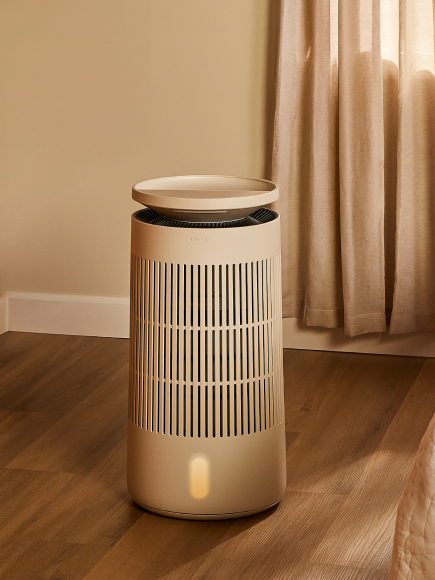
For bedrooms specifically, combining a quiet smart purifier with night mode and a mist-free humidifier addresses both air cleanliness and moisture balance without compromise. More on how humidity levels affect health at home covers the science behind getting the balance right.
How to Choose the Right Setup for a Bedroom

-
The bedroom is where most people spend 7 to 9 hours breathing indoor air, making it the highest-impact room for air quality improvements.
For a bedroom with allergy concerns, start by measuring the room's square footage and choosing an air purifier rated for that size or larger. Check humidity with an inexpensive hygrometer. If humidity is consistently below 30%, add a humidifier. If humidity is consistently above 50%, add a dehumidifier. Run the air purifier continuously, ideally with doors and windows closed for maximum filtration efficiency.
A compact smart air purifier with auto mode adjusts fan speed based on real-time air quality readings, taking the guesswork out of daily management. Pairing air quality control with the right moisture strategy turns the bedroom into a genuine recovery space for anyone dealing with allergies, congestion, or disrupted sleep.
Breathe Better Tonight
Cleaner air and balanced humidity can change how restful sleep feels and how energized mornings start. Rather than hoping one device does everything, matching the right tool to the actual problem in each room delivers results that are noticeable within days. Check the humidity, check the air, and take the step that makes each breath at home a little easier.
Frequently Asked Questions
Do air purifier dehumidifier combos work?
Combo units work for mild conditions in small rooms, typically under 200 sq. ft. For moderate to severe humidity or allergen problems, dedicated devices outperform combos because each can be properly sized to the room and run at optimal capacity without competing for airflow or power.
Which is the best dehumidifier and air purifier?
The best setup for most homes is a high-CADR air purifier with HEPASilent™ filtration paired with a standalone dehumidifier rated for the room's moisture load. Combining dedicated devices allows each to perform at full capacity. For homes that need purification plus added moisture rather than moisture removal, a 2-in-1 purifier and humidifier is the stronger pairing.
Is there a dehumidifier and air purifier all in one?
Yes, several manufacturers offer combo units. Most are compact, low-powered devices designed for small spaces. Available models typically feature basic filtration and modest moisture removal capacity. For rooms larger than 200 sq. ft. or homes with serious allergy or humidity concerns, separate devices deliver meaningfully better results.
Can you get a dehumidifier and air purifier in one?
Combined units exist, but the technology involved in each function creates inherent trade-offs. Dehumidifiers use compressor or desiccant systems that generate heat and require water drainage. Air purifiers need unobstructed airflow through dense filter media. Combining both into a single chassis limits the performance of each. For critical rooms like bedrooms and nurseries, dedicated units ensure no compromises on the air being breathed during sleep.
Is a 2-in-1 air purifier dehumidifier worth buying?
For a small office, guest room, or closet where mild dampness and light dust are the main concerns, a combo unit can be a reasonable convenience purchase. For primary living spaces and bedrooms where health, sleep, and allergy management are priorities, investing in separate, properly sized devices pays off in measurably better air quality.
Can an air purifier reduce humidity?
No. Air purifiers filter particles from the air but do not remove moisture. A dehumidifier is required to lower indoor humidity levels.
Do air purifiers help with mold?
Air purifiers capture airborne mold spores, reducing inhalation exposure. However, existing mold on surfaces must be physically removed. Controlling humidity below 50% prevents mold from growing in the first place. A deeper look at mold removal strategies covers both prevention and remediation.
Should an air purifier and dehumidifier run at the same time?
Yes, running both simultaneously is safe and effective. The air purifier handles airborne particles while the dehumidifier controls moisture, and neither interferes with the other's function.
What humidity level is best for allergy sufferers?
Indoor humidity between 30 and 50% strikes the optimal balance. Below 30% dries out the airways. Above 50% promotes dust mite and mold growth.
Where should an air purifier be placed in a bedroom?
Place the air purifier where airflow is unobstructed, ideally a few feet from the bed and away from walls or corners. Elevated placement on a nightstand can improve circulation for smaller units.