









-
Buying an air purifier or humidifier is one thing. Keeping up with filter changes, tank cleanings, and wick replacements is where most people fall off. The reality is that a device sitting in the corner with a clogged filter or a moldy water tank does more harm than good. Choosing a low-maintenance air purifier or humidifier from the start saves time, money, and the headache of another forgotten household chore.
What Makes an Air Purifier Low Maintenance?

-
Maintenance for an air purifier comes down to two things: filter replacement and pre-filter care. The less often those tasks come up, and the easier they are to complete, the more likely the unit stays effective long-term.
Longer Filter Life
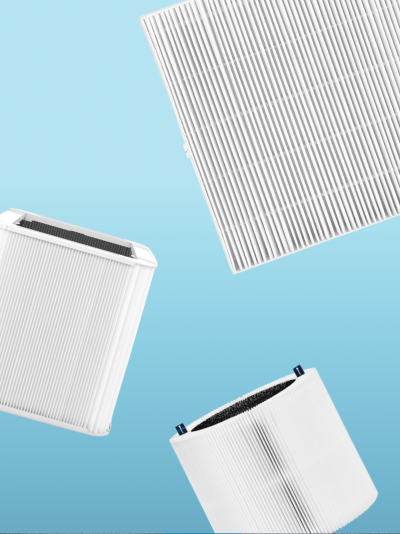
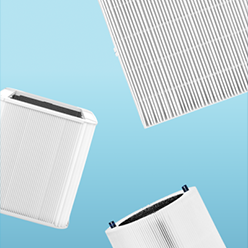
Standard air purifier filters last about 6 to 9 months, depending on usage and local air quality. Models with RealTrack technology monitor actual pollution exposure and usage patterns to calculate accurate filter life, often extending usable time before a replacement is genuinely needed. A smart air purifier with real-time filter tracking alerts through the app when the filter truly needs attention, eliminating guesswork. Common filter replacement questions cover how smart tracking works in practice.
Washable Pre-Filters
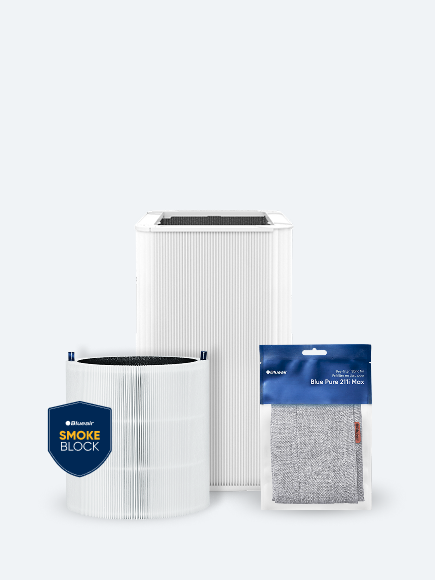
Many air purifiers include a removable fabric pre-filter that catches large particles like pet hair and dust before they reach the main filter. Rinsing the pre-filter under water once a month takes about 30 seconds and extends the main filter's life significantly. Models with colorful, customizable pre-filters make this step simple and even add a design element to the room.
Auto Mode and Smart Sensors
A truly low-effort air purifier manages itself. Auto mode adjusts fan speed based on real-time air quality, night mode dims and quiets the unit for sleep, and app connectivity provides remote monitoring. An air purifier with auto mode and app control runs continuously without manual intervention.
What Makes a Humidifier Low Maintenance?

-
Humidifiers require more ongoing attention than air purifiers because they deal with water, which introduces the risk of bacteria, mold, and mineral buildup.
Top-Fill Design
Humidifiers with top-fill tanks eliminate the awkward step of flipping the unit over or removing the tank from underneath. Simply lift the lid, pour in water, and close.
Mist-Free Technology
Evaporative and mist-free humidifiers avoid the white dust problem entirely, which means less surface cleaning around the device. No mist means no mineral residue on furniture, screens, or floors. Understanding how mist-free humidification works explains the technology behind this approach.
Anti-Microbial Materials
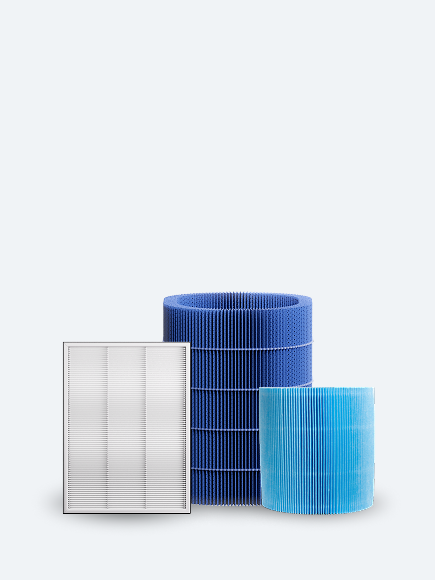
Humidifiers built with antimicrobial tank materials or wick treatments resist bacteria and mold growth between cleanings. A weekly wipe-down is still recommended, but the maintenance burden drops substantially compared to models prone to rapid buildup.
Large Tank Capacity
A humidifier with a 1 to 2-gallon tank runs longer between refills. In a bedroom, a large-capacity humidifier can run through an entire night without needing attention. More on how humidity levels affect sleep covers why overnight moisture matters.
Best Setup for Minimal Daily Effort

-
For households that want both clean air and comfortable humidity with the least amount of ongoing work, two approaches stand out.
Option 1: Separate Dedicated Devices
A low-maintenance air purifier in the bedroom and a top-fill humidifier in the living area divide the workload. Each device is optimized for its specific function, and maintenance tasks stay simple and spread out. Matching the right purifier to the room's square footage ensures proper coverage without oversizing or undersizing.
Option 2: A 2-in-1 Purifier and Humidifier
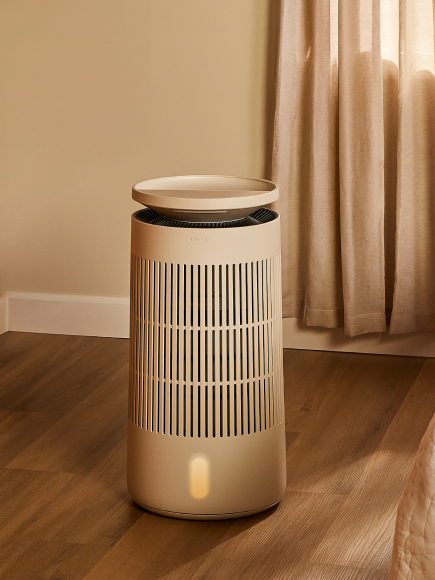
A combined air purifier and humidifier consolidates two devices into one, reducing the number of filters to track, tanks to fill, and units to manage. For bedrooms where both clean air and proper moisture levels matter, this approach cuts maintenance in half.
How to Make Any Air Purifier or Humidifier Easier to Maintain
A few simple habits keep maintenance from piling up. According to the EPA, portable air cleaners are most effective when properly sized and consistently maintained.
Subscribing to automatic filter delivery ensures replacements arrive on schedule. Setting a monthly phone reminder to rinse pre-filters takes the forgetting factor out of the equation. Emptying and wiping humidifier tanks at least once a week, even when in regular use, prevents microbial growth. Running the air purifier continuously on auto mode distributes wear evenly and avoids sudden high-demand catch-up cycles. Keeping a spare filter on hand ensures replacement never gets delayed.
Filter subscription programs that offer 15% off automatic deliveries, making staying on schedule effortless and saving money over time.
Less Maintenance, More Clean Air
The best air purifier or humidifier is the one that actually stays running. Choosing models designed for minimal upkeep, setting up auto-delivery for filters, and building a few quick habits into the weekly routine keep indoor air clean and comfortable without adding stress. Start with the room that matters most, set things up once, and let the devices do the work.
Frequently Asked Questions
How often do air purifier filters need to be changed?
Most air purifier filters last 6 to 9 months. Models with smart filter tracking adjust this estimate based on real usage and pollution levels, sometimes extending life beyond the standard recommendation.
Are filterless air purifiers effective?
Most filterless air purifiers (ionizers, plasma generators) produce significantly lower CADR ratings than filter-based models and may emit ozone. Filter-based air purifiers with HEPASilent™ technology remain the most effective option for home use.
How often should a humidifier be cleaned?
A humidifier tank should be emptied, rinsed, and wiped at least once a week. Wicks or filters should be replaced every 1 to 3 months, depending on usage and water hardness.
Can a self-cleaning humidifier replace manual cleaning?
Some humidifiers include UV or antimicrobial features that reduce bacterial growth, but no humidifier is truly self-cleaning. Weekly manual cleaning is still recommended for safe operation.
Do air purifier subscriptions save money?
Filter subscription programs typically offer 15% off each delivery. Beyond the savings, auto-delivery ensures filters arrive on time, preventing the performance loss that comes from running a clogged filter past its useful life.
What is the easiest air purifier to maintain?
Air purifiers with washable pre-filters, smart filter tracking, auto mode, and simple one-filter designs require the least maintenance. Models that alert through an app when action is needed take the guesswork out entirely.
What is the easiest low-maintenance humidifier?
Evaporative, mist-free humidifiers with top-fill tanks and antimicrobial materials require the least upkeep. A top-fill design means refilling takes seconds without disassembling the unit. Mist-free operation eliminates white dust, removing the need to wipe down surrounding surfaces. Antimicrobial tank materials slow bacterial growth between cleanings.
What is the best humidifier and air purifier?
For maximum performance in each function, dedicated devices (a separate air purifier and a separate humidifier) allow each unit to be sized precisely for its room and task. In either case, the air purifier should carry AHAM Verifide CADR ratings, and the humidifier should use evaporative rather than ultrasonic technology to avoid mineral dust. More on balancing humidity and health at home covers the relationship between moisture levels and wellness.
What is the best air purifier for chemo patients?
Chemotherapy suppresses the immune system, making patients more vulnerable to airborne pathogens, including bacteria, mold spores, and viruses. An air purifier for a chemo patient's room should capture 99.97% of particles down to 0.1 microns (HEPASilent™ technology meets this threshold), run quietly enough for rest and recovery, and produce zero ozone emissions (look for CARB or Intertek Zero Ozone certification).
Which type of humidifier is the healthiest?
Evaporative humidifiers are widely considered the healthiest option because they release moisture through natural evaporation rather than spraying water droplets into the air. Ultrasonic humidifiers, while quiet and affordable, disperse minerals from tap water as white dust, which settles on surfaces and can be inhaled.