How to Choose Between Evaporative and Ultrasonic
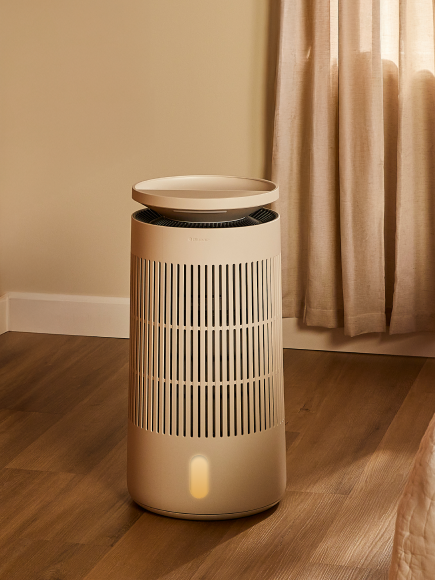
Pay attention to the type of water. If a home has hard tap water and distilled water is not easy to come by, an evaporative model is the simpler fit for avoiding white dust. Then compare decibel ratings for the room it will run in, and match coverage to the space with Blueair's humidifier sizing guide. For a nightstand or nursery shelf, a compact model such as the DreamWell™ Mini fits the space. Browse Blueair's humidifiers to compare InvisibleMist™ models by room size and run time.
Frequently Asked Questions
Which is better, an evaporative or an ultrasonic humidifier?
It depends on the home. Ultrasonic models need no fan or wick but do best with low-mineral water, while evaporative models release no visible mist and can use tap water without leaving white dust.
Do ultrasonic humidifiers cause white dust?
They can if they are filled with tap water. The EPA notes that ultrasonic humidifiers can disperse tap-water minerals, which can appear as white dust, and recommends low-mineral or distilled water.
Can evaporative humidifiers use tap water?
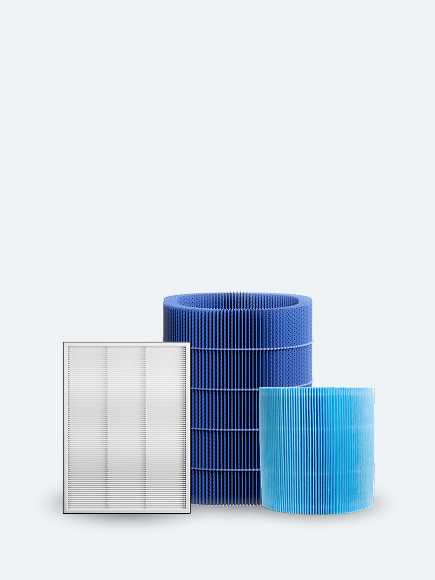
Usually, yes. Minerals stay behind in the wick, so check the manufacturer's guidance and descale regularly; Blueair humidifiers are tap water safe.
Are evaporative humidifiers quiet?
Many are, but noise depends on the fan. Compare decibel ratings: Blueair's DreamWell™ runs from 20 to 40 dB, and the DreamWell™ Mini is rated at 16 dB.
What is a mist-free humidifier?
A humidifier that adds moisture as invisible vapor. Evaporative humidifiers are mist-free because water evaporates from a moistened wick. This is how Blueair's InvisibleMist™ technology works as well.