










-
Waking up with a scratchy throat, dry lips, and irritated sinuses is a strong signal that bedroom air is too dry. Low indoor humidity is incredibly common during winter months when heating systems run constantly, but it can happen year-round in arid climates. Fixing dry air in the bedroom improves sleep quality, reduces respiratory irritation, and keeps skin from cracking overnight.
What Causes Dry Air in a Bedroom?
Indoor humidity drops below comfortable levels for a handful of predictable reasons.
Forced-Air Heating
Central heating, baseboard heaters, and space heaters all pull moisture out of indoor air. During cold months, indoor humidity can drop below 20%, well under the recommended 30 to 50% range. The bedroom often gets hit hardest because doors stay closed overnight, trapping dry air from the heating system. Cold outdoor air holds far less moisture than warm air. When that cold air enters a home through ventilation or gaps and gets heated, the relative humidity drops sharply because the warmer air can hold more moisture, but no additional water has been added.
Arid or Desert Climates
Homes in the southwestern United States and other low-humidity regions deal with dry indoor air year-round, regardless of heating use. Without intervention, baseline indoor humidity in these areas regularly sits below 25%.
Poor Ventilation with AC Running
Air conditioning removes moisture as part of the cooling process. Running AC in a sealed bedroom for hours lowers humidity gradually, especially in smaller rooms.
Dry Air Symptoms Indoors
Low humidity affects the body in ways that are easy to dismiss but hard to ignore once they stack up.
Waking up with a sore or scratchy throat is one of the earliest and most common signs. Dry, flaky, or cracked skin, especially on hands and the face, follows closely. Frequent nosebleeds occur because dry nasal passages crack and bleed more easily. Static electricity when touching surfaces or other people indicates very low moisture in the air. Chapped or cracking lips despite regular balm use, worsening allergy or asthma symptoms overnight, and feeling congested without actually being sick are all reliable indicators. Wood furniture and hardwood floors may also begin cracking or squeaking as moisture leaves the material.
Children and infants are particularly vulnerable to these effects because their airways are smaller and more easily irritated by dry conditions. More on protecting air quality in a child's room covers the specific considerations for younger family members.
If several of these symptoms show up regularly, indoor humidity is almost certainly too low. An inexpensive hygrometer (under $15 at most hardware stores) provides an exact reading within minutes.
How to Fix Dry Air in the Bedroom

-
Several approaches work, ranging from free habits to dedicated devices. The most effective solution depends on how severely dry the air has become.
Step 1: Measure the Humidity
Before making changes, measure the baseline. Place a hygrometer in the bedroom overnight and check the reading in the morning. Anything below 30% qualifies as too dry for comfortable sleep and healthy airways. The Mayo Clinic recommends maintaining indoor humidity between 30 and 50% for optimal health.
Step 2: Add a Humidifier
A dedicated humidifier is the fastest and most reliable way to raise bedroom humidity. Evaporative, mist-free humidifiers add moisture through natural evaporation rather than spraying a fine mist, avoiding the white dust residue that ultrasonic models leave on surfaces. Understanding how mist-free humidification technology works explains why evaporative models are the healthier choice.
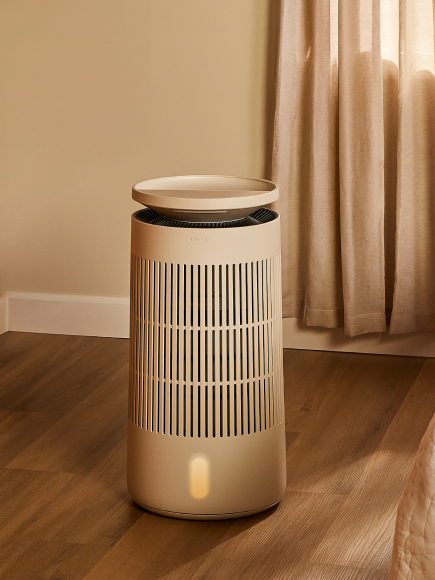
For overnight use, look for a humidifier with a tank large enough to run 8 or more hours without refilling. A large-capacity bedroom humidifier with quiet operation keeps the air comfortable from lights-out to alarm.
Step 3: Combine Humidity With Clean Air
Dry air and poor air quality often overlap. Running a compact air purifier alongside a humidifier in the same room addresses both issues. According to the EPA, portable air cleaners are most effective when properly sized for the room and run continuously, and pairing filtration with proper humidity creates the most supportive sleep environment.
A 2-in-1 device that purifies and humidifies handles both functions in a single unit, simplifying the bedroom setup and reducing the number of devices to manage. More on how humidity levels affect sleep and health covers the relationship between moisture and rest quality.
Step 4: Reduce Heat Output Overnight
Turning the thermostat down a few degrees before bed reduces the drying effect of the heating system. A bedroom temperature between 60 and 67°F (15 to 19°C) is ideal for sleep anyway, and the lower setting helps humidity levels recover. Moderate heating combined with proper bedding provides warmth without stripping the air of moisture.
Step 5: Keep the Bedroom Door Closed
A closed bedroom door allows the humidifier to raise humidity in a contained space rather than fighting to humidify the entire home. The moisture stays where the sleeping happens.
Additional Ways to Add Moisture Without a Humidifier
When a humidifier is not available or as a supplement to one, a few low-cost methods can help.
Placing a shallow bowl or pan of water near the heating vent allows warm air to evaporate the water into the room. Hanging damp towels on a drying rack in the bedroom overnight releases moisture gradually as the fabric dries. Leaving the bathroom door open after a hot shower lets steam drift into nearby rooms. Houseplants that release moisture through transpiration, such as peace lilies, Boston ferns, or spider plants, add a modest amount of humidity while also improving the room's environment. Avoiding exhaust fans longer than necessary after cooking or showering helps retain whatever moisture is available.
Natural methods raise humidity modestly. For persistent dryness below 25%, a dedicated humidifier remains the most effective solution.
Maintaining the Right Humidity Level

-
Raising the humidity too high creates a different set of problems. Indoor humidity above 50% promotes dust mites, mold growth, and condensation on windows. More on mold prevention and air quality covers the risks of over-humidification.
A humidifier with adjustable output settings allows precise control. Setting the target to 40 to 45% provides the sweet spot where airways stay comfortable, skin stays hydrated, and allergens stay under control. Checking the hygrometer weekly ensures levels stay balanced as seasons and heating patterns change.
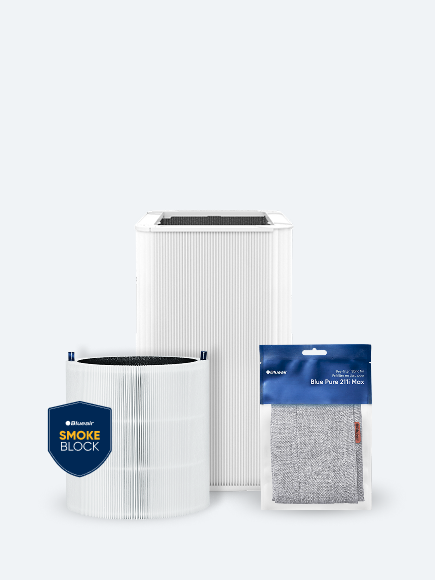
Keeping replacement wicks and filters on hand for the humidifier maintains consistent output. A bedroom-focused air purifier running alongside the humidifier catches any airborne particles stirred up by increased moisture circulation, creating a complete clean-air, properly-humidified sleep environment.
Sleep Better Starting Tonight
Dry bedroom air is fixable, and the improvement in how mornings feel is noticeable within the first night. A hygrometer, a good humidifier, and a few simple adjustments to heating and ventilation can turn a dry, uncomfortable bedroom into a space that supports restful sleep and healthier breathing. Check the humidity tonight and take the first step.
Frequently Asked Questions
What humidity level is best for sleeping?
Indoor humidity between 30 and 50% is recommended for sleep. The sweet spot for most people is around 40 to 45%, which keeps airways moist without promoting dust mites or mold.
Can dry air make you sick?
Dry air itself does not cause illness, but it dries out mucous membranes in the nose and throat, reducing their ability to trap viruses and bacteria. Dry nasal passages are also more susceptible to cracking and nosebleeds, creating entry points for pathogens.
How long does it take a humidifier to fix dry air?
A properly sized humidifier can raise bedroom humidity to comfortable levels within 1 to 3 hours. Running it overnight maintains those levels through the driest part of the heating cycle.
Do humidifiers help with snoring?
Dry air contributes to nasal congestion and throat irritation, both of which can worsen snoring. Adding moisture to the bedroom air helps keep airways open and lubricated, which may reduce snoring intensity. More on how humidifiers support better sleep covers the connection between moisture and nighttime breathing.
Should a humidifier run all night?
Yes. Running a humidifier overnight is safe and beneficial, provided the unit has an adequate tank size, and the room's humidity stays below 50%. Models with auto-shutoff prevent over-humidification.
Can houseplants replace a humidifier?
Houseplants add a small amount of moisture through transpiration, but the effect is modest. A room full of plants might raise humidity by 2 to 5%. For significant dry air problems, a dedicated humidifier is necessary.
How do you get rid of dry air in a bedroom?
The most effective approach combines three steps: adding a humidifier sized for the bedroom, lowering the thermostat a few degrees before sleep, and keeping the bedroom door closed so humidity stays contained. A mist-free evaporative humidifier with a tank large enough for 8 or more hours of operation handles overnight moisture without refilling.
What are the symptoms of dry air in a bedroom?
The most common symptoms include waking with a sore or scratchy throat, dry or cracked skin on hands and face, frequent nosebleeds, persistent lip chapping, static electricity when touching surfaces, congestion without illness, and worsening allergy or asthma symptoms overnight. Wood furniture and hardwood floors may also crack or squeak.
How to keep the air moist in a bedroom overnight?
Running a humidifier with a 1 to 2-gallon tank on a low or auto setting maintains consistent moisture through a full night of sleep. Closing the bedroom door contains the humidity in a smaller space, making the humidifier more effective. Setting the thermostat to 60 to 67°F reduces the drying effect of the heating system.
How to stop a room from being so dry?
Persistent room dryness almost always traces back to heated air, poor ventilation, or an arid climate. A dedicated humidifier is the single most effective solution. Sealing gaps around windows and doors prevents additional cold, dry air from entering and diluting indoor moisture. Avoiding exhaust fans when not actively needed retains existing humidity.