













-
Sneezing indoors should not feel normal. When seasonal pollen drifts in through open windows or dust mites settle into bedding, the obvious question becomes whether a humidifier or one of the best air purifiers for allergies makes more sense. The short answer: an air purifier addresses the root cause, while a humidifier treats the symptoms. Knowing the difference saves money and, more importantly, saves a lot of discomfort.
How Air Purifiers and Humidifiers Work Differently

-
Before choosing one over the other, the core difference needs to be clear.
What an Air Purifier Does
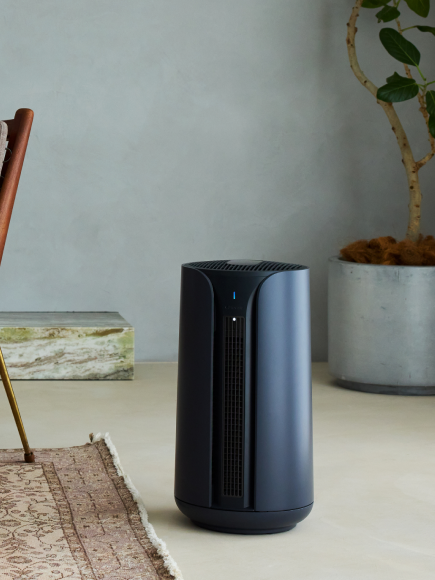
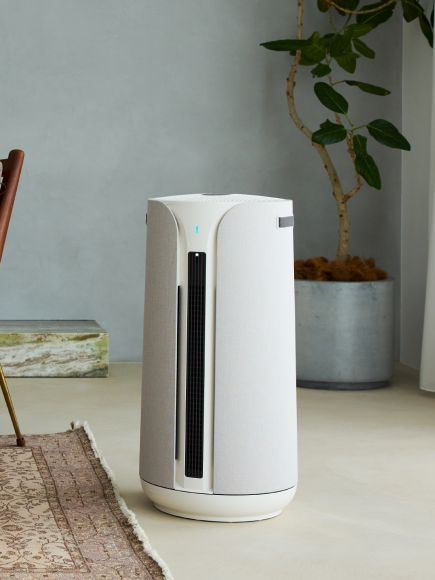
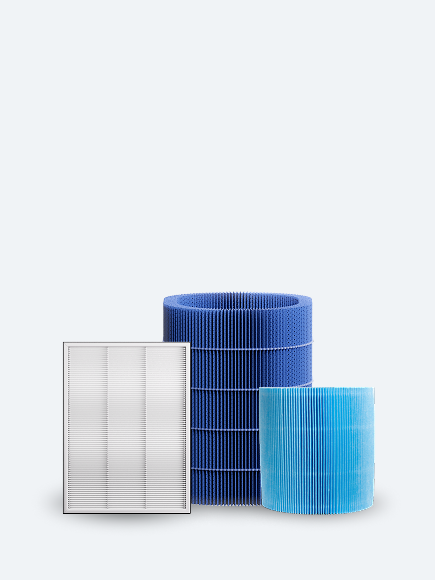
An air purifier pulls indoor air through a filtration system and traps airborne particles like dust, pollen, pet dander, mold spores, and bacteria. Units equipped with HEPASilent™ technology use a combination of mechanical and electrostatic filtration to capture 99.97% of particles down to 0.1 microns. The result is air with significantly fewer allergens floating around. Matching the right purifier to the room size ensures adequate air changes per hour for meaningful relief.
What a Humidifier Does
A humidifier adds moisture to dry indoor air. When humidity drops below 30%, nasal passages and throat tissue can dry out and crack, making allergy symptoms feel worse. A humidifier raises indoor humidity back to the 30 to 50% range, soothing irritated airways and thinning mucus for easier breathing.
The key distinction: air purifiers remove allergens from the air. Humidifiers do not remove anything. Moisture can provide comfort, but the allergens remain.
Which Device Works Better for Common Allergies?

-
The answer depends on the type of allergy, but for most people dealing with airborne triggers, an air purifier is the stronger first line of defense.
Dust and Dust Mite Allergies
Dust mite waste is one of the most common indoor allergy triggers. An air purifier with allergen-trapping filters captures dust mite particles suspended in the air. A humidifier, on the other hand, can actually make dust mite problems worse. Dust mites thrive in humid environments, so adding moisture above 50% creates ideal conditions for them to multiply.
Pollen and Pet Dander Allergies
Pollen and pet dander are airborne particles. A compact air purifier with auto mode can continuously monitor particle levels and remove these triggers from bedroom air. A humidifier does not affect pollen or dander levels whatsoever.
Mold Allergies
Mold spores become airborne and can trigger serious respiratory reactions. An air purifier traps mold spores before inhalation. A humidifier, if overused or poorly maintained, can promote mold growth by raising moisture levels too high. Anyone dealing with recurring mold concerns should also review indoor pollution sources beyond humidity alone.
Dry Air Irritation (Not Technically an Allergy)
When symptoms are caused by dry air specifically, such as cracked nasal passages, persistent dry cough, or nosebleeds, a humidifier is the right tool. A mist-free humidifier can raise comfort levels without the white dust residue that ultrasonic models often leave behind.
Can an Air Purifier and Humidifier Be Used Together?

-
Yes, and for many allergy sufferers, the combination provides the most comprehensive relief.
An air purifier handles the allergen removal. A humidifier keeps airways comfortable so the body can recover from exposure. Running both in a bedroom during allergy season addresses the problem from two angles.
According to the American College of Allergy, Asthma & Immunology, indoor allergen exposure is a significant trigger for the roughly 50 million Americans who suffer from allergies each year.
A 2-in-1 device that purifies and humidifies simultaneously can simplify this setup, handling both functions in a single unit with 360-degree mist-free humidification and HEPASilent™ filtration.
One important placement note: when using separate devices, keep the humidifier and air purifier on opposite sides of the room. Directing humid air straight into a filter can encourage microbial growth on the filter media and reduce purification performance.
What About Asthma?
Asthma triggered by environmental irritants benefits most from an air purifier. Removing smoke, VOCs, pollen, and pet dander from indoor air reduces the frequency and severity of attacks. A deeper look at how air purifiers support respiratory conditions covers the clinical reasoning behind filtration for asthma management.
Dry air can aggravate asthma symptoms, too, so a humidifier set to maintain humidity between 30 and 50% can provide supplemental relief. Going above 50% humidity, though, risks promoting dust mites and mold, both of which are common asthma triggers.
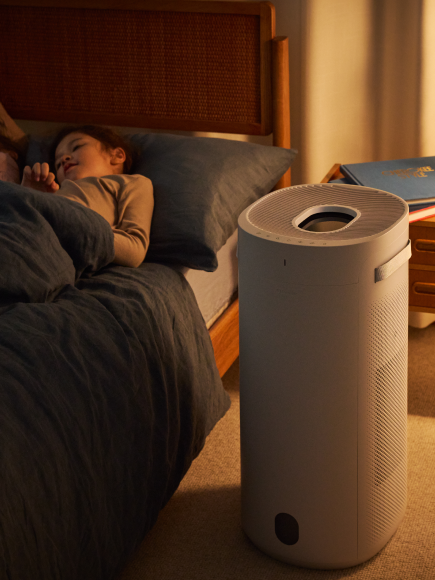
For bedrooms where asthma symptoms tend to flare at night, a quiet air purifier with night mode operating as low as 23 dB can run continuously without disturbing sleep.
How to Choose the Right Device
Matching the device to the specific allergy makes the decision straightforward.
Allergies triggered by airborne particles such as pollen, dust, pet dander, or mold spores call for an air purifier as the priority. Symptoms worsened by dry indoor air, including dry cough, cracked nasal passages, or sore throat, respond best to a humidifier. When both conditions are present at the same time, pairing an air purifier with a humidifier gives the most complete coverage.
Room size also matters. Choosing an air purifier rated for the actual square footage of the room ensures adequate air changes per hour. Blueair organizes purifiers by coverage area, from small rooms to large spaces, making it easier to find the right match. Placing the unit in the room where the most time is spent, typically the bedroom, delivers the most noticeable results.
Clean Air Is Worth Breathing For
Allergies are frustrating enough without guessing which device actually helps. An air purifier tackles the cause. A humidifier soothes the symptoms. Together, indoor air becomes genuinely easier to breathe. If sneezing has become a daily routine, now is the time to take back control of the air at home. Start with an air purifier, and add a humidifier if dryness is part of the picture.
Frequently Asked Questions
Does a humidifier help with allergies?
A humidifier can ease symptoms caused by dry air, such as irritated nasal passages and a sore throat. However, humidifiers do not remove allergens from the air. Overusing a humidifier can also promote dust mites and mold growth.
Can an air purifier remove dust mites?
An air purifier captures airborne dust mite particles and waste that become suspended in the air. While the mites themselves live in bedding and fabric, reducing airborne particles significantly lowers exposure and symptom severity.
Should an air purifier run all day for allergies?
Running an air purifier continuously provides the best results for allergy management. Modern energy-efficient models consume very little power, some as low as 2.5W on the lowest setting, similar to an LED lightbulb.
Is a humidifier or an air purifier better for asthma?
An air purifier is generally more effective for asthma because most attacks are triggered by airborne irritants. A humidifier can help if dry air is worsening symptoms, but humidity should stay between 30 and 50%.
Do air purifiers help with pet allergies?
Air purifiers with HEPASilent™ filtration capture pet dander, hair particles, and saliva proteins that trigger allergic reactions. Placing one in the room where pets spend the most time provides the strongest benefit.
Can high humidity make allergies worse?
Yes. Indoor humidity above 50% creates ideal breeding conditions for dust mites and mold, two of the most common indoor allergens. A hygrometer helps monitor levels and prevent over-humidification.
Is it better to sleep with an air purifier or a humidifier?
For most people, an air purifier offers greater sleep benefits because it continuously removes allergens, dust, and particles that cause nighttime congestion and sneezing. A humidifier is the better choice only when dry air is the primary issue causing discomfort. When both problems are present, running a purifier alongside a humidifier set between 30 and 50% humidity creates the most restful bedroom environment.
Can an air purifier help with a dry throat?
An air purifier alone does not add moisture to the air, so it will not directly relieve a dry throat caused by low humidity. However, if the dry or scratchy feeling is caused by airborne irritants like dust or VOCs inflaming the throat lining, an air purifier can reduce that irritation. For true dryness, a humidifier or a combined purifier and humidifier addresses both triggers at once.
Will a humidifier help with snoring?
A humidifier can reduce snoring caused by dry air. When nasal passages and throat tissue dry out, airways narrow, and soft tissue vibrates more during breathing, producing the snoring sound. Maintaining humidity between 30 and 50% keeps those tissues hydrated and may reduce vibration. Snoring linked to allergens like dust mites or pet dander, however, responds better to an air purifier that removes those particles from the bedroom air.
Would a humidifier help with post-nasal drip?
Post-nasal drip occurs when excess mucus accumulates in the back of the throat. If dry air is thickening mucus and making drainage difficult, a humidifier can thin the mucus and ease the drip. If post-nasal drip is triggered by allergens such as pollen, mold spores, or dust, an air purifier that removes those triggers is a more effective solution. In many cases, using both devices together provides the most complete relief.