











-
Air quality numbers appear on weather apps, news tickers, and health advisories every day, yet most people have no clear sense of what those numbers actually mean for the body. The U.S. Air Quality Index (AQI) translates complex pollutant concentration data into a single scale from 0 to 500, color-coded so anyone can assess risk at a glance. Knowing where the thresholds fall, especially for fine particulate matter (PM2.5), makes it possible to take action before symptoms show up.
How the AQI Scale Works
The EPA's Air Quality Index assigns a value to outdoor air quality based on concentrations of five regulated pollutants: ground-level ozone, particulate matter (PM2.5 and PM10), carbon monoxide, sulfur dioxide, and nitrogen dioxide. The final AQI number reported for any given area reflects whichever pollutant reaches the highest level at that time.
AQI Categories and What Each Means
An AQI of 0 to 50 (green) represents good air quality with little or no health risk. An AQI of 51 to 100 (yellow) is moderate, meaning air quality is acceptable but may pose a mild concern for people who are unusually sensitive to pollution. An AQI of 101 to 150 (orange) is unhealthy for sensitive groups, including people with asthma, heart disease, or lung conditions, as well as young children and older adults.
An AQI of 151 to 200 (red) is unhealthy for the general population, and anyone spending extended time outdoors may experience symptoms. AQI values of 201 to 300 (purple) are very unhealthy, posing increased risk for everyone. Anything above 300 (maroon) is hazardous, representing emergency-level pollution.
An AQI value of 100 generally corresponds to the national ambient air quality standard set to protect public health. Values at or below 100 are typically considered satisfactory. Once the index crosses above 100, the air quality is officially classified as unhealthy, first for sensitive populations and then for everyone as numbers climb higher.
What PM2.5 Means and Why Particle Size Matters
PM2.5 refers to fine particulate matter with a diameter of 2.5 micrometers or smaller. For context, a single strand of human hair is about 70 micrometers in diameter, making PM2.5 particles roughly 30 times smaller. Particles this small bypass the body's natural defenses in the nose and throat and penetrate deep into the lungs. Some pass through lung tissue into the bloodstream.
What PM2.5 Levels Are Considered Safe?
The WHO's 2021 updated guidelines recommend an annual average PM2.5 concentration of no more than 5 micrograms per cubic meter (ug/m3) and a 24-hour average of no more than 15 ug/m3. The EPA's current national standard sets the annual average at 9 ug/m3 and the 24-hour average at 35 ug/m3. When outdoor PM2.5 levels rise, the concentration inside homes, offices, and schools follows. Indoor air can carry two to five times more pollutants than outdoor air in many cases, as sources of indoor pollution range from cooking and cleaning products to off-gassing furniture and building materials.
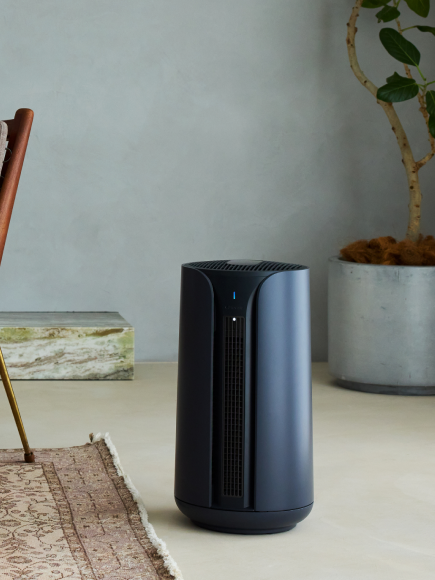
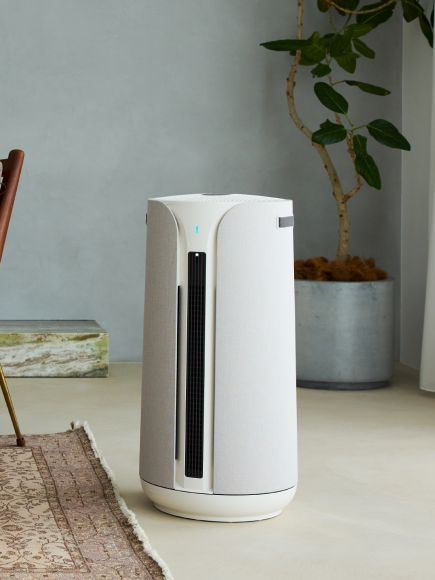
Running a properly sized air purifier continuously helps maintain indoor PM2.5 levels well below outdoor concentrations, even during high-pollution events. A purifier designed for medium-sized rooms with HEPASilent™ filtration captures 99.97% of airborne particles down to 0.1 microns, including the full range of PM2.5.
Air Quality and Asthma: Where the Risk Begins
Asthma affects more than 25 million Americans, and air quality is one of the most significant environmental triggers. The relationship between AQI levels and asthma symptoms is well-documented but often misunderstood.
What AQI Level Is Dangerous for Asthma?
For people with asthma, risk does not begin at the "unhealthy" red category. The orange category (AQI 101 to 150, "Unhealthy for Sensitive Groups") is where asthma symptoms can start. Increased coughing, chest tightness, wheezing, and shortness of breath may appear at these levels, particularly during physical activity. Children with asthma are especially vulnerable because they breathe faster and inhale more pollutants per pound of body weight than adults.
At AQI levels above 150, even people without diagnosed asthma may experience respiratory irritation. For those with existing lung conditions, these levels can trigger attacks requiring medication or emergency care. Running an air purifier in the bedroom and main living areas provides a controlled zone of clean air, reducing the particle load that the lungs must process. More on how air purifiers support asthma management covers the clinical connection in greater depth.
The health consequences are measurable. Chronic exposure to PM2.5 at the levels common in these cities is associated with reduced lung function, increased rates of respiratory and cardiovascular disease, and lower life expectancy. For households in high-pollution areas, an indoor air purifier becomes a frontline health tool rather than a convenience. A purifier rated for large rooms can maintain breathable conditions indoors even when outdoor AQI values exceed 400.
Protecting Indoor Air When Outdoor Air Quality Is Poor
Outdoor AQI values provide a useful warning, but indoor air quality is what the body actually breathes for the majority of each day. Most people spend 90% of their time indoors, and indoor concentrations of many pollutants can be significantly higher than outdoor levels.
Close Windows, Run Filtration
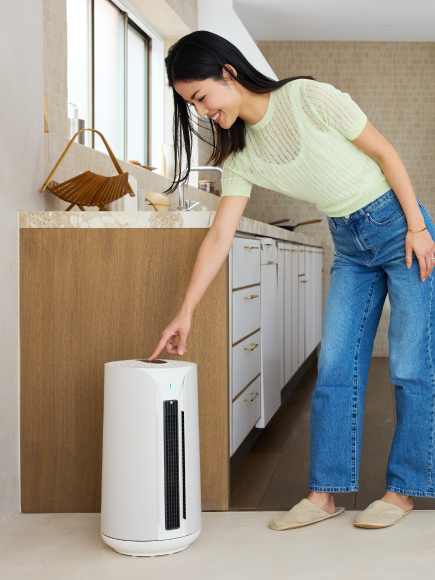
When outdoor AQI rises above 100, keeping windows and doors closed prevents the influx of polluted air. Running an air purifier on a higher fan speed for 15 to 30 minutes after any door or window opening clears particulates that entered. Auto mode on smart purifiers handles this automatically, increasing fan speed when the built-in sensor detects a spike and returning to a lower setting once the air clears. The Blueair app provides real-time indoor air quality readings and remote control, so adjustments can be made from anywhere.
Prioritize Sleep and Children's Spaces
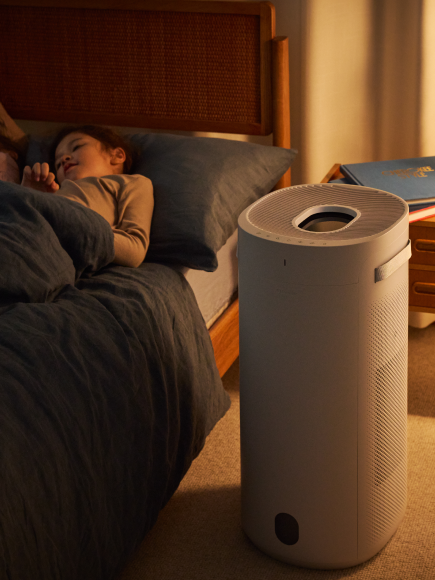
The bedroom and nursery are the two highest-impact rooms for air purification. Spending 7 to 9 hours sleeping in filtered air reduces cumulative pollutant exposure significantly. For children, whose lungs and immune systems are still developing, clean air during sleep is especially important. A compact purifier for small rooms provides continuous filtration at whisper-quiet noise levels, keeping the breathing zone clean without disrupting sleep. Guidance on setting up clean air in a child's room covers placement and sizing in detail.
Address Indoor Sources Too
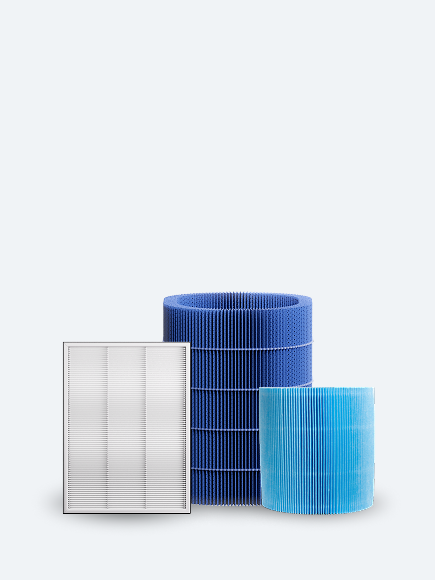
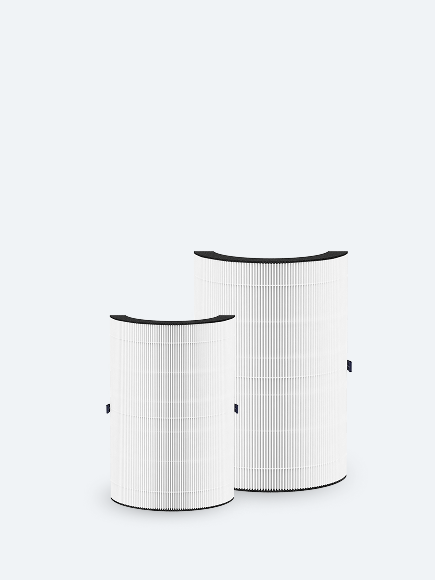
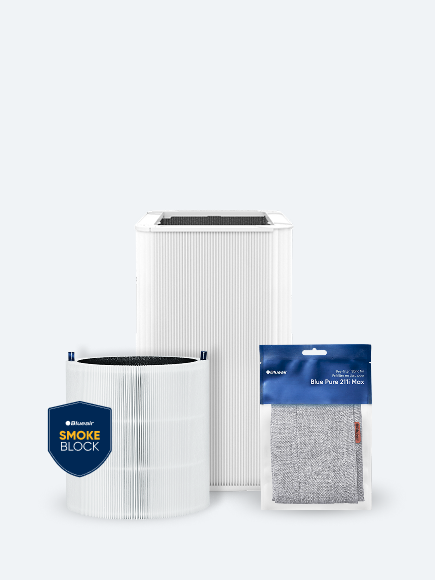
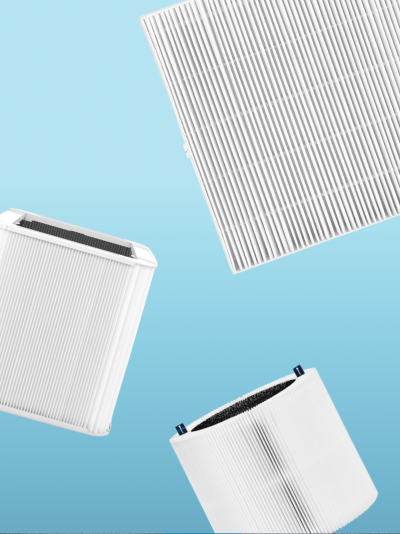
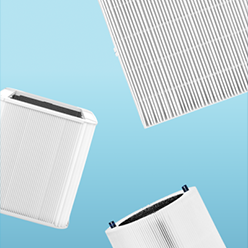
Outdoor pollution is only part of the equation. Cooking, cleaning products, candles, pet dander, mold spores, and volatile organic compounds (VOCs) from furniture and building materials all contribute to indoor particle and gas loads. Regular filter replacement, every 6 to 9 months depending on usage and local conditions, ensures the purifier continues to perform at its rated capacity. Carbon-based filter options address gaseous pollutants and odors that particle filters alone cannot capture.
AQI Is a Warning System: Act on the Numbers
According to the EPA, the AQI exists specifically to help people make informed decisions about outdoor activity and health protection. The numbers are only useful if they lead to action. Checking the AQI daily, understanding personal risk factors, reducing outdoor exposure during orange and red days, and maintaining filtered indoor air are practical steps that lower the health burden of air pollution. Clean indoor air does not eliminate the problem of ambient pollution, but it substantially reduces the dose that the body absorbs over a lifetime.
Frequently Asked Questions
Is 70 AQI good or bad?
An AQI of 70 falls in the moderate (yellow) category, meaning air quality is acceptable for most people. Sensitive individuals, including those with asthma, chronic lung disease, or heart conditions, may notice mild symptoms during extended outdoor activity. For the general population, 70 is not a cause for concern but is worth monitoring, especially if levels are trending upward through the day.
What air quality is bad for asthma?
AQI levels above 100, the orange "Unhealthy for Sensitive Groups" category, are where asthma symptoms typically begin. Coughing, tightness, wheezing, and shortness of breath may appear at AQI 101 to 150, especially during outdoor exercise. At AQI levels above 150, symptoms can intensify and may require medication.
What level of PM2.5 is safe?
The World Health Organization recommends an annual average PM2.5 concentration below 5 ug/m3 and a 24-hour average below 15 ug/m3. The EPA's U.S. standard sets the annual limit at 9 ug/m3 and the 24-hour limit at 35 ug/m3. No level of PM2.5 exposure is considered completely without risk, but maintaining indoor concentrations as low as possible through continuous air filtration significantly reduces the health impact.
Can an air purifier lower PM2.5 indoors?
Air purifiers with HEPASilent™ technology or equivalent high-efficiency filtration can reduce indoor PM2.5 concentrations by 80% or more when properly sized for the room and run continuously.
Should an air purifier run all day when the AQI is high?
Continuous operation is recommended whenever the outdoor AQI exceeds 100. Pollutants infiltrate indoor spaces through gaps in doors, windows, and building envelopes, even when everything appears sealed. Turning the purifier off allows particle levels to rise, requiring more time and energy to re-clean the air.
Back to Blog
How to Read the Air Quality Index and Protect Your Family
