











-
Buying an air purifier is step one. Getting it to actually perform well is where most people leave results on the table. Placement, runtime, door management, and filter maintenance all play a role in how effectively indoor air gets cleaned. A few simple adjustments can make the difference between a unit that kind of works and one that noticeably transforms air quality.
Where to Place an Air Purifier for Best Results

-
Location determines how much air the unit can process and how quickly the room reaches clean levels.
Place It in the Room Where the Most Time Is Spent
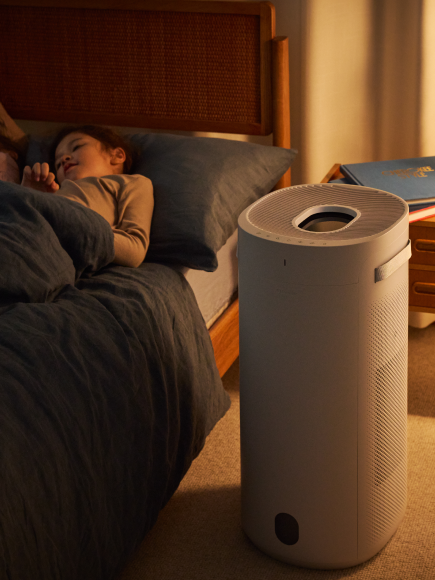
The bedroom is the highest-impact location for most people. Spending 7 to 9 hours sleeping in filtered air reduces overnight allergen exposure dramatically. An air purifier sized for the bedroom running all night can improve sleep quality and reduce morning congestion. More on how air purifiers improve sleep quality covers the measurable impact.
Keep It Away from Walls and Corners
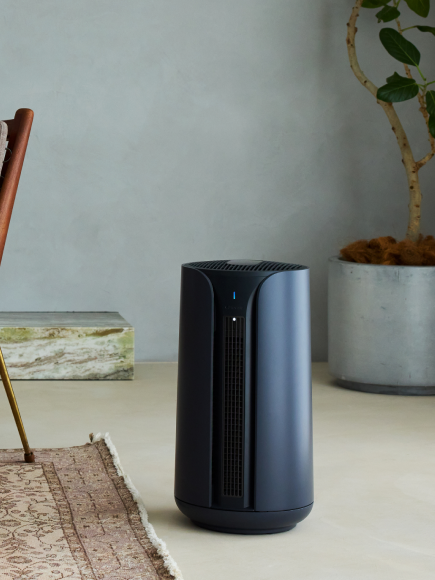
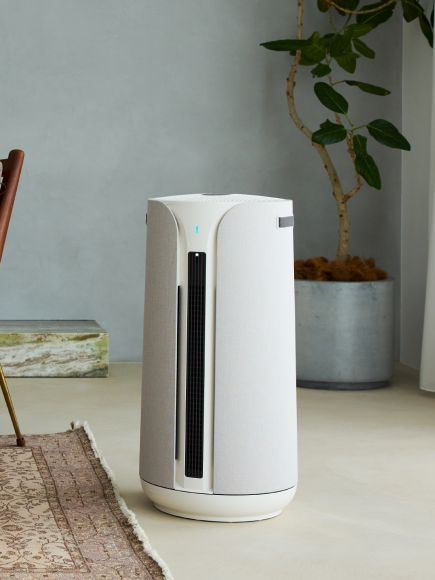
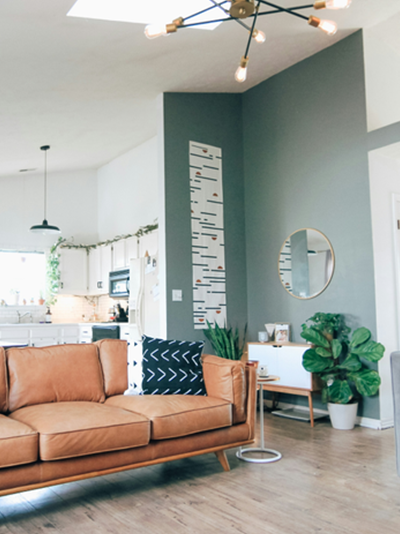
Air purifiers need unobstructed airflow on all sides. Place the unit at least 12 inches from walls, furniture, and curtains. Units with 360-degree air intake benefit most from center-room or open-floor placement, where air can circulate freely.
Elevate Smaller Units
A compact air purifier placed on a nightstand or desk puts the clean air output closer to the breathing zone. Floor placement still works, but elevation can improve perceived air quality in the immediate area.
How Long to Run an Air Purifier

-
The most common question about runtime has a simple answer.
Run It 24/7
Air purifiers work best when they run continuously. Pollutants enter indoor spaces constantly, through open doors, cooking, shedding skin cells, and pet activity. Turning the unit off allows pollutant levels to rise, and the purifier then has to start from scratch when switched back on.
Modern units on auto or night mode consume very little energy. An energy-efficient purifier for small rooms uses as little as 2W on its lowest setting, roughly the same as a small night light. The cost of running it year-round is negligible.
Use Auto Mode for Hands-Free Operation
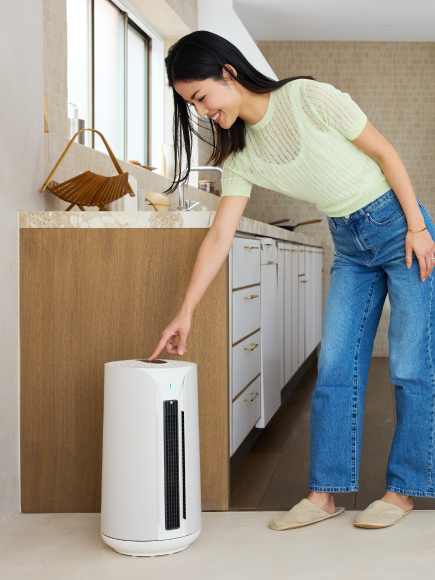
Auto mode uses built-in air quality sensors to detect pollutant levels and adjust fan speed accordingly. When the air is clean, the fan drops to its lowest speed. When cooking, smoke, dust, or outdoor pollution spikes, the fan ramps up automatically. Set it once and let the sensor handle the rest. The Blueair app extends this control to a smartphone, allowing remote adjustments and real-time air quality monitoring from anywhere.
Should the Door Stay Open or Closed?
Keeping doors and windows closed while running an air purifier delivers the best results.
Closed Doors, Better Performance
An air purifier is most effective in a contained space. When the door stays closed, the unit only needs to filter the air in that specific room. Open doors allow unfiltered air from other parts of the house to continuously enter, forcing the purifier to work harder and reducing the air change rate.
For whole-home coverage, placing dedicated air purifiers in each high-use room provides better results than trying to filter an entire home with one unit and open doors. A detailed guide to matching purifier size to room dimensions helps get each room right.
When Opening Windows Makes Sense
Brief ventilation during low-pollen hours can help reduce indoor VOC levels. However, once the windows close, the air purifier should run on a higher speed for 15 to 30 minutes to clear any outdoor pollutants that have entered.
How to Get the Most Out of Air Purifier Filters

-
Filters are the engine of every air purifier. Neglecting them kills performance.
Replace Filters on Schedule
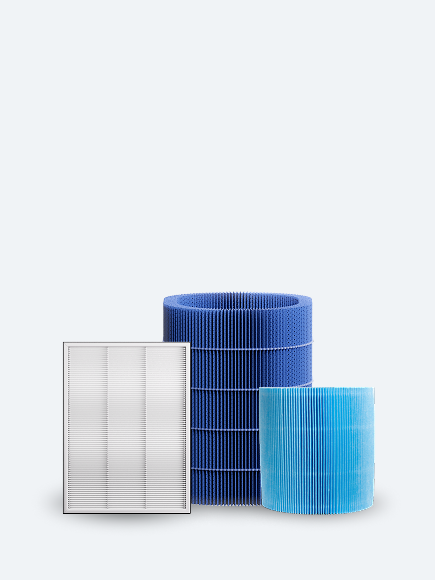
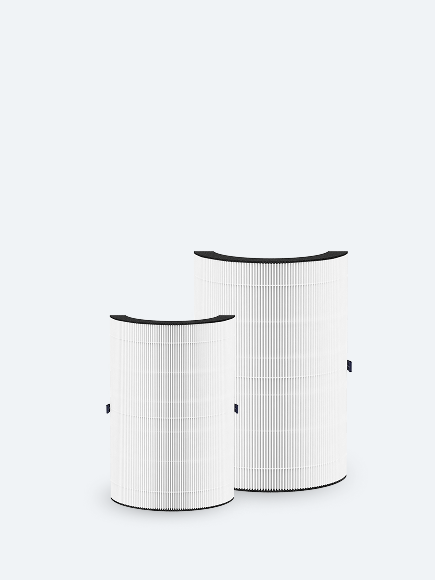
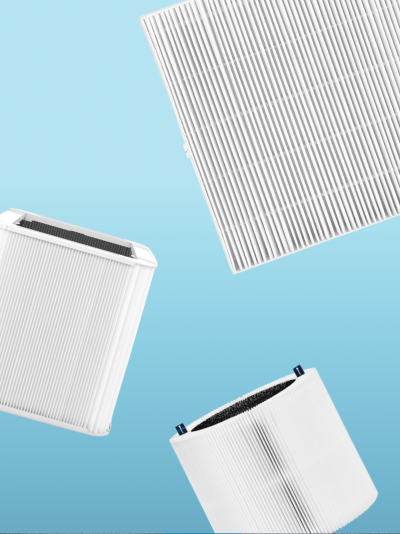
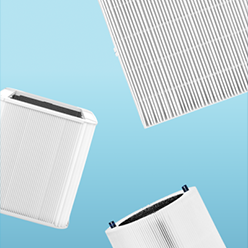
A clogged filter restricts airflow, increases noise, and reduces particle capture. Most filters last 6 to 9 months, depending on usage and local air quality. Models with RealTrack technology monitor actual pollution levels and runtime, providing a more accurate replacement timeline than a fixed calendar reminder. Common filter questions and replacement guidance cover the details.
Match the Filter to the Problem
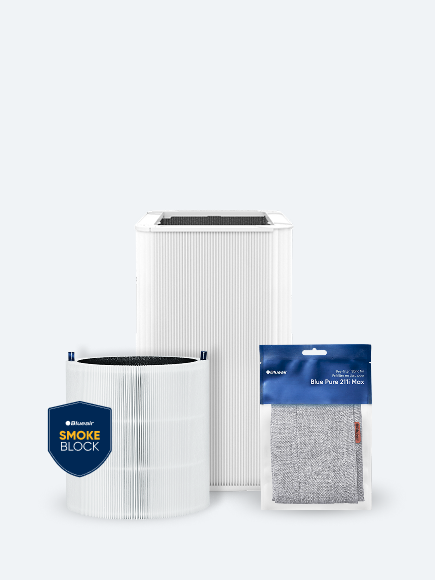
Standard Particle and Carbon filters handle everyday pollutants. For homes with pets, seasonal allergies, or nearby wildfire smoke, specialized filter options like AllergenBlock or SmokeBlock target those concerns more aggressively. Homes near highways or in wildfire-prone areas benefit from reviewing smoke-specific filtration strategies.
Clean or Replace Pre-Filters
Washable pre-filters capture large particles before they reach the main filter, extending its life. Rinsing pre-filters monthly keeps airflow strong and the main filter working efficiently.
Additional Tips for Maximum Performance
Small habits compound into noticeably cleaner air. According to the EPA, portable air cleaners can be effective when properly sized and placed, particularly when used alongside source control and ventilation.
Vacuuming carpets and upholstery twice a week reduces the particle load in the room. Avoiding candles, incense, or aerosol sprays near the purifier prevents unnecessary spikes in indoor pollution. Keeping the purifier away from heat sources and direct sunlight protects sensor accuracy. After installing a new filter, resetting the filter change indicator (press and hold the fan speed button for 15 seconds on most Blueair models) ensures accurate tracking going forward.
Every Breath Counts
An air purifier that is properly placed, continuously running, and maintained on schedule delivers results that feel real. Less dust. Fewer allergy symptoms. Better sleep. The difference between an air purifier that sits in a corner doing nothing and one that genuinely cleans a room comes down to a few simple choices. Make them today, and the air at home starts getting better tonight.
Frequently Asked Questions
What is the most effective way to use an air purifier?
The most effective approach combines three things: sizing the purifier correctly for the room's square footage, running it continuously with the door closed, and replacing filters on schedule. Placement matters too. Position the unit in the open with at least 12 inches of clearance on all sides, ideally in the room where the most time is spent. Auto mode handles fan speed adjustments based on real-time air quality, so the purifier ramps up during cooking or high-traffic periods and drops to near-silent operation when the air is clean.
What is the 2/3 rule for air purifiers?
The 2/3 rule is a quick sizing guideline suggesting that a purifier's CADR (Clean Air Delivery Rate, measured in CFM) should be at least two-thirds of the room's square footage. A 300 sq. ft. room, for example, needs a minimum CADR of 200 CFM. Blueair uses the more rigorous AHAM standard of 4.8 air changes per hour, which ensures the room's entire air volume is filtered approximately every 12.5 minutes. Using the AHAM standard provides a more reliable match than the 2/3 shortcut alone. A closer look at what CADR means and why it matters breaks down the math.
How many hours per day should an air purifier run?
For best results, 24 hours a day. Indoor pollutants accumulate continuously from sources like cooking, pet activity, dust, and outdoor air infiltration. Turning the unit off allows particle levels to rise, and the purifier must then work harder to re-clean the accumulated load. Modern purifiers on auto or night mode consume as little as 2W, costing less than $15 per year in electricity. Continuous operation is both the most effective and the most energy-efficient approach.
Does an air purifier help with onion smell?
Air purifiers with activated carbon filters can reduce cooking odors, including onion and garlic smells. Carbon adsorbs odor-causing gas molecules as they pass through the filter. For best results, run the purifier on a higher fan speed during and for 15 to 30 minutes after cooking. Standard particle-only filters capture smoke and grease particulates but do not address the gaseous compounds responsible for the smell itself. Models with SmokeBlock filters offer enhanced carbon capacity for kitchens and cooking environments.
Should an air purifier run on high or low all day?
Auto mode is the best setting for most situations. The sensor adjusts fan speed based on real-time air quality, running high when needed and dropping to low when the air is clean.
How long does it take an air purifier to clean a room?
Most properly sized air purifiers clean a room in 12 to 30 minutes. The exact time depends on the unit's CADR rating, room size, and current pollutant levels.
Can one air purifier clean multiple rooms?
An air purifier cleans the room it is in most effectively. Doorways, hallways, and walls restrict airflow between rooms. Dedicated units in each room deliver significantly better results.
Does an air purifier help with cooking smells?
Air purifiers with activated carbon filters absorb cooking odors. Running the unit on a higher speed during and after cooking accelerates odor removal.
Where should an air purifier go in a bedroom?
Place the unit on the floor or nightstand with at least 12 inches of clearance on all sides. Avoid placing it behind furniture, inside closets, or directly against walls. More on optimizing bedroom air quality covers setup and placement in detail.
How to reset the filter indicator on an air purifier?
On most Blueair models, press and hold the fan speed button for 15 seconds after installing a new filter. The indicator light resets to confirm the new filter is registered.