














-
Cracked lips, staticky hair, and that persistent dry cough that shows up every winter are all signs that indoor air needs more moisture. Low humidity is especially common when heating systems run for months, but homes in arid climates deal with it year-round. Knowing how to increase humidity in a room effectively means choosing the right approach for the severity of the problem.
Why Indoor Air Gets Too Dry
Central heating is the primary culprit during colder months. Furnaces heat air without adding moisture, and the warmer that air gets, the more moisture it can hold relative to what is actually present. The result is a relative humidity that drops well below the 30 to 50% range recommended for comfort and health. Cold outdoor air holds far less water vapor than warm air. When that cold air enters a home through ventilation, gaps, or open doors and gets heated indoors, the relative humidity drops sharply because the warmer air's capacity for moisture increases while the actual water content stays the same.
Air conditioning removes moisture as part of the cooling process, which means summer months in sealed, heavily air-conditioned homes can also produce uncomfortably dry conditions. Homes in desert and semi-arid regions of the western U.S. face dry air as a baseline condition regardless of season.
Best Way to Humidify a Room: Method by Method

-
Several options exist, each with different levels of effectiveness. Starting with the most impactful and working down gives a clear picture of what works best.
Use a Room Humidifier
A dedicated humidifier remains the most effective and controllable way to add moisture to a room. Evaporative, mist-free humidifiers add moisture through natural evaporation rather than spraying water droplets, avoiding the white mineral dust that ultrasonic models leave on surfaces and that can be inhaled. Understanding how mist-free humidification technology works explains why evaporative models are the healthier and lower-maintenance choice.
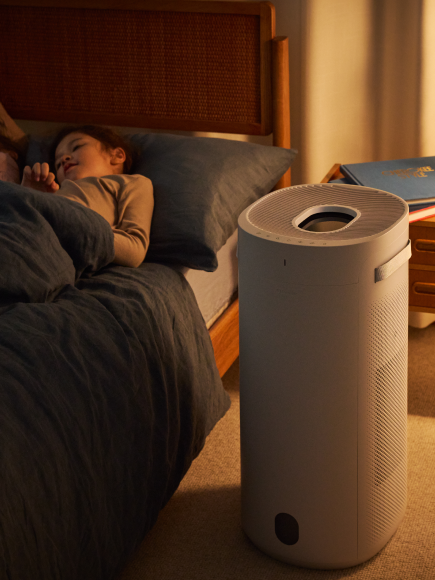
For bedrooms, look for a humidifier with a tank large enough to run 8 or more hours without refilling. A large-capacity humidifier with quiet operation keeps the air comfortable from lights-out to alarm. More on how humidity levels affect sleep covers the relationship between moisture and overnight rest quality.
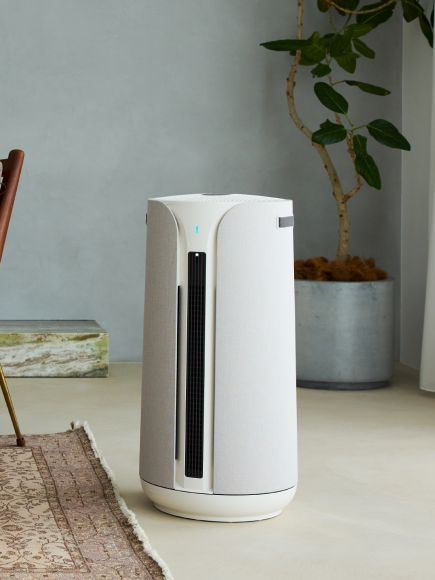
For rooms where both air quality and moisture levels need attention, a combined purifier and humidifier addresses both needs in a single device, reducing clutter and maintenance.
Place Water Near Heat Sources
Setting a shallow pan, bowl, or container of water on top of or near a radiator, heat register, or baseboard heater allows the warm air to accelerate evaporation. The water turns to vapor passively and raises humidity in the immediate area. The effect is modest compared to a humidifier, but in a small room, it makes a noticeable difference. Ceramic or metal pans work best. Refill daily as the water evaporates.
Hang Damp Laundry Indoors
Drying clothes or towels on an indoor drying rack releases moisture into the air as fabrics dry. Placing the rack in the room that needs the most humidity doubles as a laundry solution and a humidity boost. A single load of wet laundry can release several pints of water into the surrounding air as it dries.
Leave the Bathroom Door Open After Showers
A hot shower generates significant steam. Leaving the bathroom door open after showering allows that moisture to flow into adjacent rooms. For bedrooms near the bathroom, this can raise humidity by a few percentage points with zero effort. Turning off the exhaust fan once the mirror clears retains more of that moisture indoors.
Cook on the Stovetop
Boiling water for pasta, making soups, or brewing tea on the stovetop releases steam into the kitchen and surrounding rooms. Using the stovetop instead of the microwave when possible adds a small but cumulative amount of moisture throughout the day.
Add Houseplants
Plants release moisture through a process called transpiration. Grouping several moisture-loving plants, like peace lilies, Boston ferns, spider plants, or rubber plants, in one room can modestly raise humidity by 2 to 5%. Plants also improve the overall feel of a space, though their humidity contribution alone will not solve a seriously dry room.
How to Humidify a Room Without a Humidifier
When a humidifier is not an option, combining several low-cost methods produces better results than any single approach. According to the EPA, maintaining indoor humidity between 30 and 50% is important for both comfort and health.
A practical combination for a dry bedroom: place a shallow water pan near the heat register, hang a damp towel on a door or chair near the bed, leave the bathroom door open after evening showers, position 2 to 3 moisture-releasing houseplants on the nightstand or dresser, and lower the thermostat by 2 to 3 degrees at night to reduce the drying effect of the heating system. A bedroom temperature between 60 and 67°F is ideal for sleep and produces less aggressive moisture stripping from the heating system.
Stacking these methods raises humidity modestly but meaningfully. For persistent dryness below 25%, a dedicated humidifier is the only reliable solution.
Avoiding Common Humidity Mistakes

-
Adding moisture is only helpful when done within the right range.
Over-Humidifying Creates New Problems
Indoor humidity above 50% promotes dust mite reproduction, mold growth, and condensation on windows and walls. An inexpensive hygrometer (under $15 at any hardware store) is the simplest way to monitor levels and prevent overdoing it. More on mold prevention and indoor air quality covers the risks of excess moisture.
Neglecting Humidifier Cleaning
A humidifier that is not cleaned weekly can harbor bacteria and mold, dispersing them into the air along with the moisture. Rinsing the tank, wiping interior surfaces, and replacing wicks on schedule keeps the device safe and effective.
Ignoring Air Quality While Adding Moisture
Increased humidity stirs particles and can raise airborne allergen levels. Pairing a humidifier with a quiet bedroom air purifier ensures the added moisture does not come at the cost of breathing in more dust or dander. More on balancing humidity and health at home covers the relationship between moisture levels and allergen management.
Comfortable Air Is Worth the Effort
Dry indoor air is one of those problems that feels small until it stacks up: bad sleep, irritated skin, constant throat clearing, and that lingering static shock on every doorknob. Whether the fix is a quality humidifier, a few smart household adjustments, or a combination of both, the improvement shows up fast. Measure the humidity, pick a method, and start breathing easier tonight.
Frequently Asked Questions
What is the fastest way to add moisture to a room?
A room humidifier is the fastest method. A properly sized humidifier can raise bedroom humidity to comfortable levels within 1 to 3 hours. Boiling water on the stovetop provides a quick, temporary boost but requires supervision and only benefits the immediate area.
What humidity level is best for a dry room?
Indoor humidity between 30 and 50% is ideal. The 40 to 45% range provides the best balance of respiratory comfort, skin hydration, and allergen control.
Can over-humidifying a room cause problems?
Yes. Humidity above 50% promotes mold growth, dust mite reproduction, and condensation damage on windows, walls, and wood surfaces. A hygrometer helps monitor levels and prevent over-humidification.
Does a bowl of water actually humidify a room?
A bowl of water near a heat source increases local humidity through evaporation, though the effect is modest. Surface area matters: a wide, shallow pan evaporates faster than a narrow glass. In a small, closed room near a heat register, the impact is more noticeable. For consistent results across a full night, a dedicated humidifier is recommended.
How do you add moisture to dry air in winter?
Running a humidifier is the most effective winter strategy. Supplementing with damp laundry drying indoors, post-shower steam, stovetop cooking, and lowering the thermostat by 2 to 3 degrees at night all help maintain comfortable humidity levels when heating systems are running constantly.
Is dry air worse at night?
Dry air effects often feel worse at night because hours of mouth breathing and reduced fluid intake while sleeping dry out the throat and nasal passages. Running a humidifier overnight addresses this directly and is the single most impactful step for improving how mornings feel.
How to get moisture into a dry room?
The most reliable method is a dedicated humidifier sized for the room's square footage. Evaporative, mist-free models are the healthiest choice because they avoid dispersing mineral dust into the air. For supplemental moisture without a humidifier, combine a shallow water pan near a heat source, a damp towel draped on a drying rack, and 2 to 3 houseplants that release moisture through transpiration.
How to add moisture to a dry hotel room?
Hotel rooms are notoriously dry because HVAC systems run constantly in sealed environments. Without a humidifier, the most effective approach is to fill the bathtub or sink with a few inches of hot water and leave the bathroom door open, allowing steam and evaporation to raise humidity in the sleeping area. Hanging a wet towel over a chair or the shower rod near the bedroom adds additional passive moisture.
How to humidify a dry room?
Start by measuring the current humidity with a hygrometer to confirm the room is actually below 30%. A dedicated humidifier is the most effective and controllable solution, raising humidity to a target range within 1 to 3 hours and maintaining it overnight. Mist-free evaporative humidifiers are preferred because they do not produce white mineral dust and self-regulate as room humidity rises.
Can a humidifier help with snoring?
Dry air is a common contributor to snoring because it dries out the mucous membranes in the nose and throat, leading to nasal congestion and throat irritation. When nasal passages swell or become sticky from dryness, airflow through the nose is restricted, and breathing shifts to the mouth, which increases the vibration of soft tissues that produces the snoring sound. Adding moisture to the bedroom air with a humidifier helps keep these tissues lubricated and airways more open. Running a humidifier at 40 to 45% relative humidity throughout the night, combined with a bedroom air purifier that removes allergens like dust mites and pet dander (which also contribute to nasal congestion), creates the best conditions for quieter, less interrupted sleep.