









-
If you're thinking about running an air purifier 24/7 for continuous protection, which is what makes them effective for keeping allergens and particulates down, the electricity question matters. You're looking at potentially hundreds of dollars over time, so being smart about it makes sense.
Let us show you which models use the least electricity and how this technology actually works.
Energy Efficient Air Purifier Technology
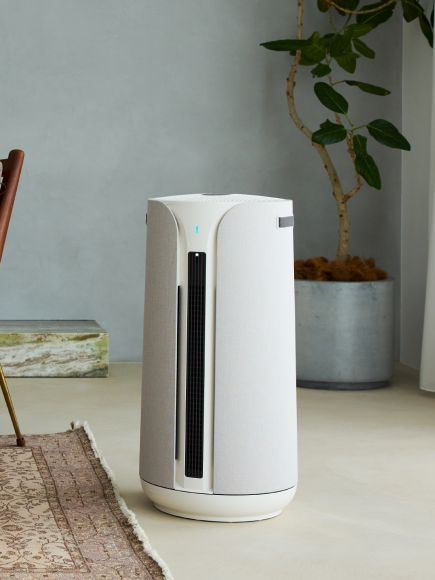
Most traditional air purifiers use dense mechanical filters that require high fan speeds to push air through, which means more energy consumption. Blueair's approach is different with their HEPASilent™ technology, which combines both electrostatic and mechanical filtration. According to Blueair, this combination allows them to use less dense filters, which means:
- The fan doesn't have to work as hard.
- Air moves through more efficiently.
- Energy consumption stays down.
- CADR (the amount of clean air delivered) remains high
- Noise levels stay lower.
Blueair notes that their devices are developed with low power consumption in mind, ensuring that both environmental impact and cost of ownership are kept as low as possible. Many of their models carry Energy Star certification, a globally recognized program by the EPA and U.S. Department of Energy.
Low-Watt Air Purifiers: Blueair Model Energy Consumption

-
Here's what matters for 24/7 operation: even small differences in wattage add up over the year. If a purifier runs continuously, that's 8,760 hours annually.
Blue Pure 511i Max: Most Energy Efficient
Uses 2.5-20W depending on fan speed. This is the most compact model in Blueair's lineup, making it ideal for bedrooms or personal offices. At maximum, that's about 175 kWh annually. Many people run this on lower or medium fan speeds 24/7, which keeps actual consumption significantly lower. According to Blueair's guidance on room selection, this model covers 180-189 sq ft effectively.
Blue Pure 311i Max: Mid-Range Efficiency
Uses 10-38W. This model covers a larger space than the 411i, making it suitable for living rooms while staying reasonably efficient.
Blue Pure 211i Max: Larger Coverage Area
Uses 46W at maximum. This is Blueair's most powerful option for extra-large rooms, covering significantly more space while still maintaining efficiency through the HEPASilent™ approach.
For comparison, traditional mechanical-only HEPA purifiers often require 75-150W continuously, which is substantially higher than Blueair's range.
Low Energy Air Purifier: Real-World Usage Scenarios

-
Let's think about actual household situations:
Bedroom Protection (Single Unit, 24/7):
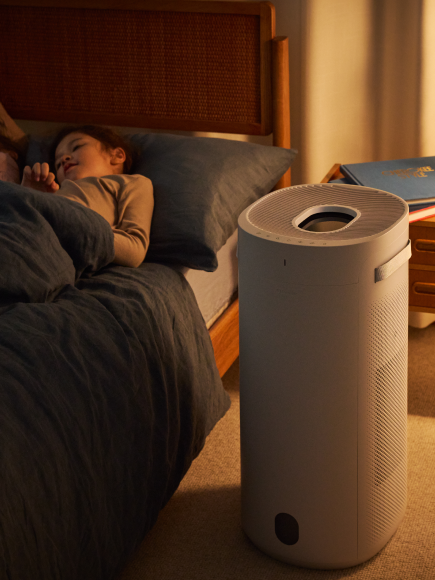
A Blue Pure 511i Max running continuously uses minimal electricity. Most people would run it at lower or medium speeds at night, which keeps energy consumption very reasonable. Add one filter replacement annually, and you have a complete, affordable setup for personal air protection.
Living Room Coverage (Larger Space):
A Blue Pure 311i Max or Blue Pure 211i Max covers medium to extra-large rooms effectively. These models let you maintain good air quality in your main living area without excessive energy consumption.
Multi-Room Strategy (Multiple Smaller Units):
Running two smaller units in different rooms can sometimes be more efficient than one large unit, especially if you close doors to unused spaces. It lets each purifier focus on its area without overdrive.
Why Energy Consumption Matters
Running your air purifier on lower settings continuously actually works better than turning it up high for short periods. This is why an efficient design matters; it lets you maintain that consistent, gentle filtration without guilt about electricity use.
Lower wattage also means lower environmental impact. If you're interested in learning more about how Blueair approaches sustainability and its overall purpose, its company values are worth exploring.
Practical Tips to Minimize Energy Use
Some tips to enhance your filter use effectively
Use lower fan speeds when possible
The difference between fan speeds is significant. Most Blueair purifiers have Auto mode, which adjusts automatically based on air quality. Night mode is also a smart option if your model has it; it keeps the fan at a lower, quieter speed when you're sleeping.
Place it strategically
A centrally located purifier reaches the air more naturally without obstacles. Avoid corners and tight spaces where it has to work harder to circulate air.
Keep filters clean
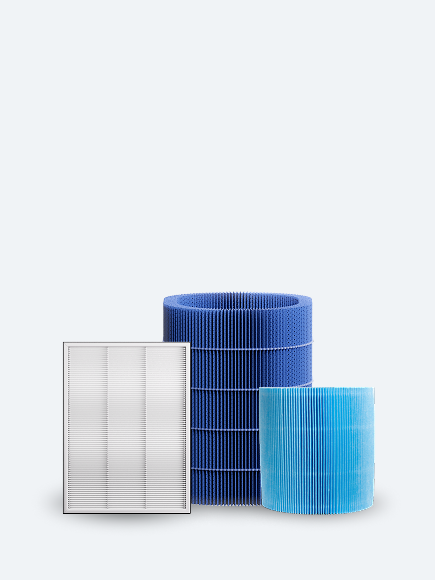
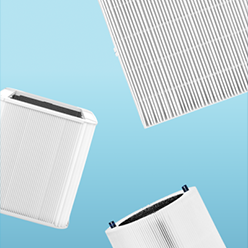
A clogged filter forces the fan to work harder and use more energy. Follow the replacement schedule that came with your model, usually every 6-9 months, depending on your environment.
Manage your space
Closing doors to unused rooms means your purifier isn't trying to clean air in spaces you're not occupying.
If you want detailed guidance on selecting the right size for your space, Blueair's room size guide walks through the math clearly.
The Bottom Line
Energy-efficient air purifiers don't require you to compromise on clean air. Choosing a model sized appropriately for your space using Blueair's room selection guidance means you get effective filtration with reasonable energy consumption.
The most energy-efficient model for your space is always the right choice: one that works effectively to keep your air clean without using more power than needed.
For families dealing with allergies, asthma, or air quality concerns, keeping your air clean while managing energy costs makes sense. That's what Blueair's commitment to low-power, efficient design makes possible. Start with a space that matters most to you, usually a bedroom where you spend eight hours sleeping, and adjust from there based on your needs.
Your air quality and your energy bill can both benefit when you choose thoughtfully.
FAQs
Q. Which Blueair purifier uses the least electricity?
The Blue Pure 511i Max uses the least energy at 2.5-20W, making it ideal if energy consumption is your primary concern.
Q. Does lower wattage mean less powerful?
Not necessarily. Thanks to HEPASilent™ technology, you can get effective air cleaning at a lower wattage. The combination of electrostatic and mechanical filtration means the fan doesn't need to be as powerful to achieve good results.
Q. How often do I need to replace filters?
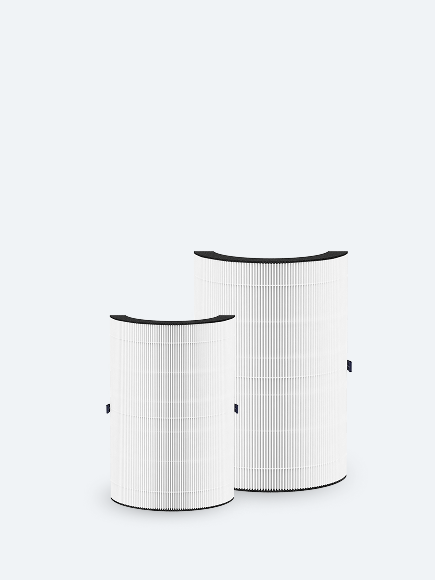
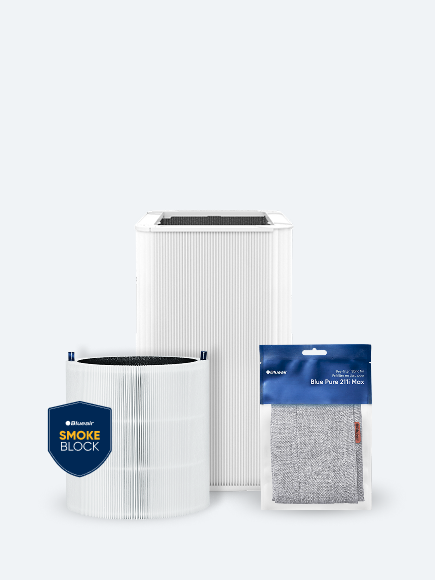
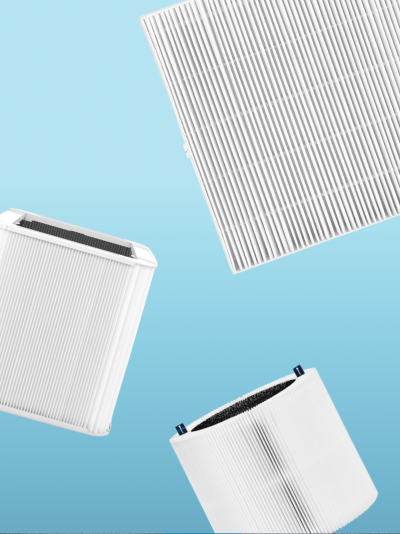
Most Blueair models recommend filter replacement every 6-9 months, though this varies based on your home's air quality. Keeping filters fresh keeps your purifier running efficiently. You can browse available filters to see which ones match your model.
Q. Can I use the Blueair app to help with efficiency?
Yes. The Blueair app lets you monitor your purifier and adjust settings remotely. You can use it to keep your unit on lower speeds when you're away or sleeping, which helps manage energy use.
Q. What if I want to check performance or warranty?
Blueair has detailed product performance information and warranty details available. If you need support with your unit, their support team can help with any questions.