Humidifier
Top questions about Humidifier
How to use videos
Humidifier Troubleshooting
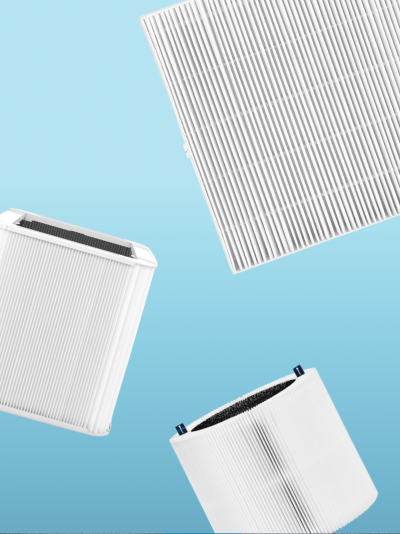
User Manuals & Replacement Filters
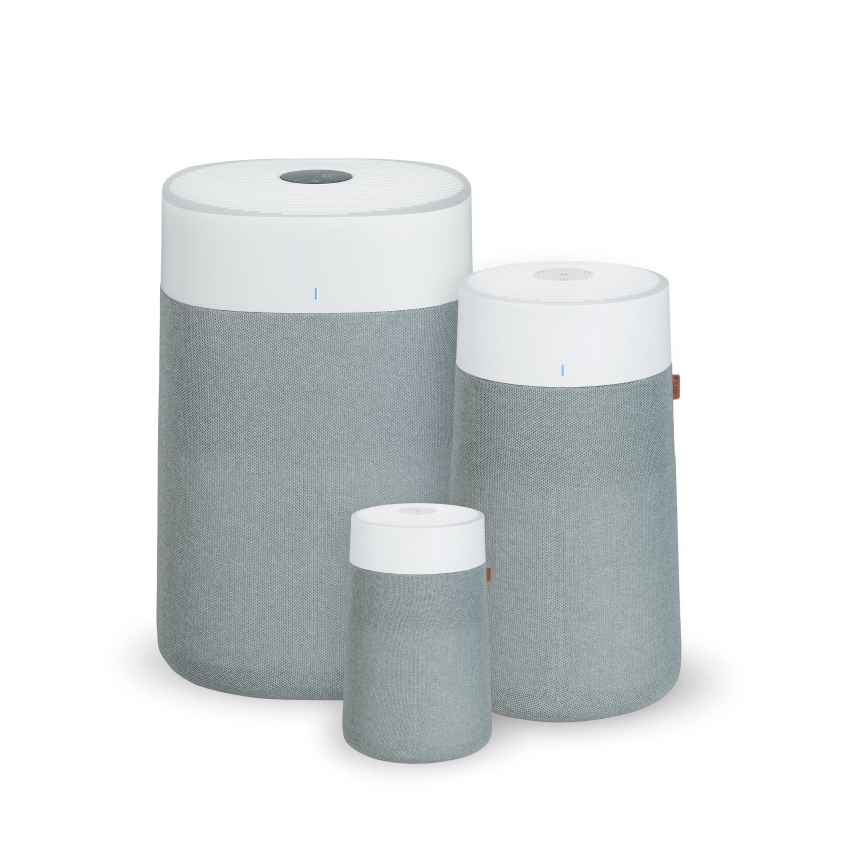
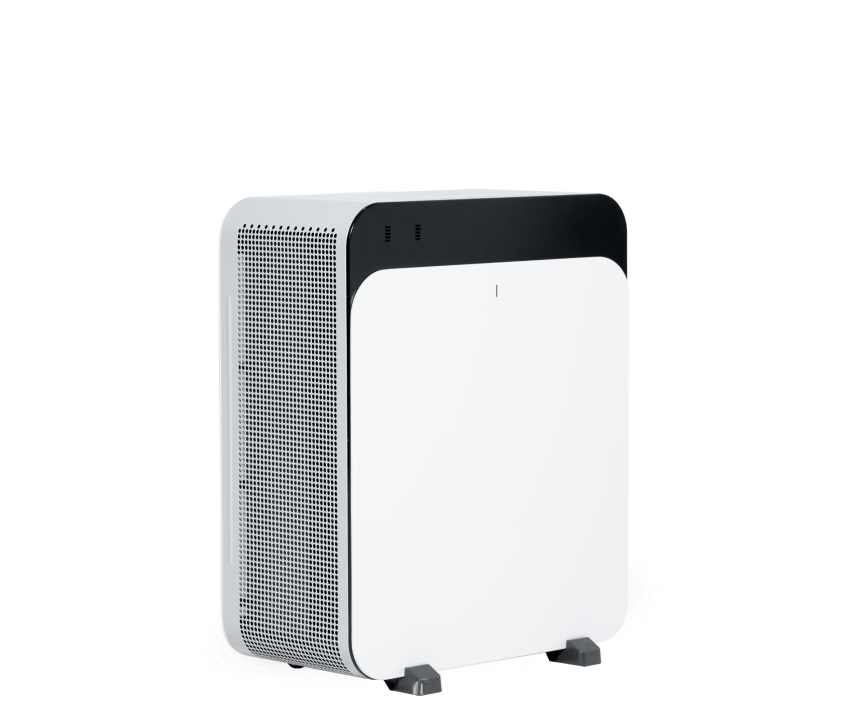
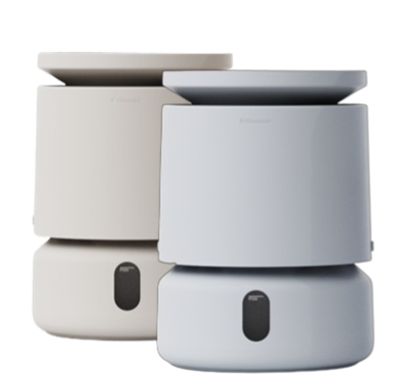
Humidifier H35i
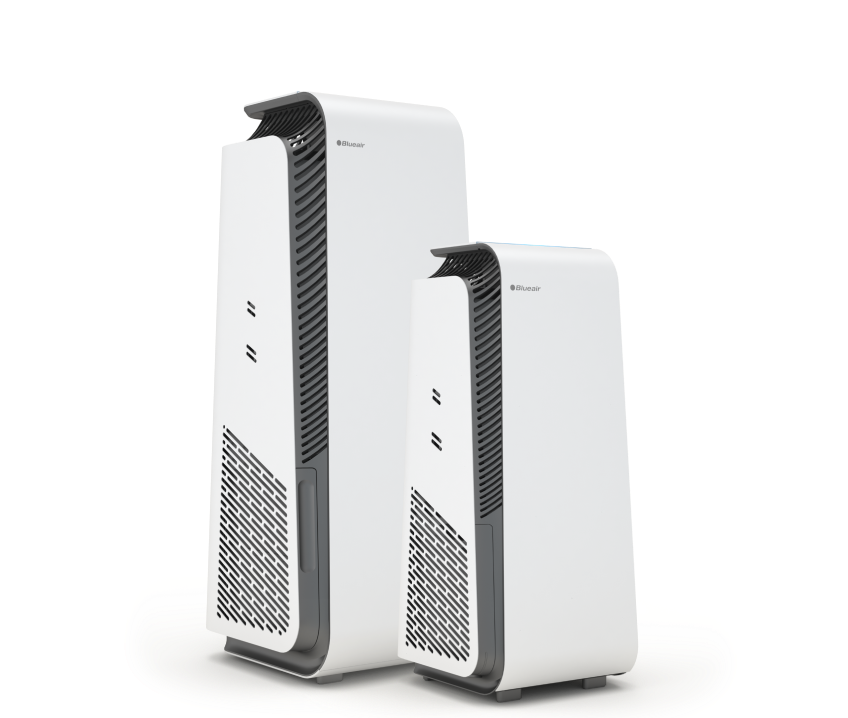
DreamWell H38i
DreamWell H76i
Start shopping to qualify for free shipping!
This website uses cookies to improve your experience. By continuing to use our website you are consenting to our cookie policy.
Unlike traditional evaporative humidifiers that rely on directional vents, Blueair’s 360° air flow design allows for even, all-around humidification, in and out, creating a more balanced room environment — no more dry corners or uneven coverage.
Many evaporative models use basic wick filters, but Blueair's filter is anti-microbial, helping inhibit bacterial growth. This not only ensures cleaner moisture but reduces odor and filter degradation over time.
Blueair separates the water tank from the wick and uses a precision water pump to deliver just the right amount of water to the filter. This hygienic approach, combined with the automatic drying feature, helps reduce mineral buildup, keeps the wick fresher longer, and cuts down on cleaning time — all while delivering cleaner, fresher air.
As a brand known for air purification, Blueair brings its airflow engineering and filtration know-how to humidification, offering a solution that’s not just effective, but thoughtfully engineered for health, comfort, and wellness.
Blueair 360° InvisibleMist™️ uses advanced evaporative technology to deliver clean moisture without the damaging, messy mist.
How does an evaporative Humidifier work?
An evaporative humidifier uses a fan to blow air through a moistened wick or filter, causing water to evaporate into the air and increase humidity.
Dry air is quietly drawn in, passed through an anti-microbial wick filter that traps minerals in the water which pumped up from the tank, and gently released back through a fan as clean, invisible humidity.
No mist & no white dust

Not necessarily, if the humidifier:
Then it is likely functioning as designed and being limited by environmental conditions rather than a mechanical issue.
For best results:
In extremely dry homes, using multiple humidifiers may be necessary.
Check if the room is too large for the unit's capacity, ensure doors and windows are closed, and verify the hydrometer is working correctly.
Obtainable indoor humidity levels:
Trying to maintain 50%+ in winter may not be achievable—or recommended—due to condensation risks on windows and walls.
Your humidifier is designed to improve comfort, not override extreme environmental conditions.
Humidity readings may differ slightly between your Blueair humidifier and other hygrometers. There are many factors that can affect the humidity reading and humidity sensors can vary by ±5% or more depending on:
For best accuracy:
Small differences between sensors do not necessarily indicate a performance issue.
The short answer is that this is because the humidifier is working harder.
In dry conditions like cold winters or hot dry climates, more water is absorbed into the air and at a faster rate. This increased water usage is actually a sign that the humidifier is actively humidifying, not a defect, and will deplete the water in the humidifiers tank more rapidly.
In more humid seasons, the same tank may last significantly longer because the air can’t absorb as much additional moisture.
This is normal in dry environments.
In cold winters or hot dry climates, a 5–10% increase in relative humidity can actually represent a significant amount of added moisture—especially in a room where moisture is constantly being pulled out by dry air and heating systems.
The humidifier is adding water continuously, but the environment is also continuously removing it. Like filling a bucket with a hole in the bottom.
Cold winter air holds far less moisture than warm air. When cold outdoor air enters your home and is heated, its relative humidity drops dramatically.
For example:
This is why humidity levels often plateau in winter, even after running the humidifier overnight.
Very dry environmental conditions, like cold winters or hot dry climates, can make it very difficult to raise indoor humidity levels—even when the humidifier is working correctly.
A humidifier adds moisture to the air at a fixed maximum output rate. In dry conditions (especially when your home’s heating or cooling system is constantly running), moisture is being removed from the air faster than usual. This can limit how high the humidity level can rise, even in small rooms.
Factors that can prevent reaching your humidity target:
In these conditions, maintaining 30–40% relative humidity is often realistic, while higher settings may not be achievable.
Seasonal changes and your local climate greatly affect your home's humidity. For a comfortable and healthy home, aim for a humidity level between 30-50%.
When the air in your home is too moist, it can feel hot and sticky, and it can worsen health conditions like asthma and allergies, making it more difficult to breathe.
On the other hand, when the air is too dry, you might notice dry skin, an irritated throat, or itchy eyes. Low humidity can also damage wood floors and furniture, causing them to warp or crack.
Dry: <30%
Ideal: 30-50%
Moist: >50%
An evaporative humidifier uses a fan to blow air through a moistened wick filter, causing water to evaporate into the air and increase humidity.
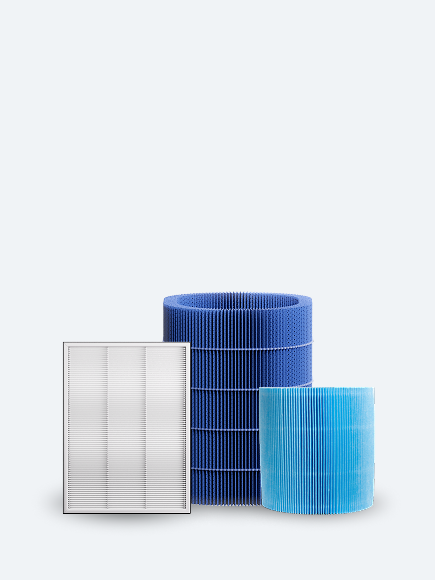
The wick filter should be replaced every 6 months. It should be cleaned weekly when in use according to the instructions in the user manual to maintain optimal performance.![]()
Important! When the wick filter is replaced, the Filter Expire Indicator must also be reset. To reset your Filter Expire Indicator:
Important! Turn the humidifier off and disconnect from the power supply before maintenance.
When your humidifier's indicator light turns red, it's time to change the wick filter. 

To reset the filter indicator, turn the device on and long press the fan speed button for about 15 seconds, until the LEDs blink 3 times, and then release.
When the wick filter is replaced, the Filter Expire Indicator must be manually reset.![]()
Your Blueair humidifier is safe to use with clean water of your choice, including tap. It is recommended that the water tank be cleaned weakly to ensure proper operation. After refilling press any button to restart.
Option 1: Top Pour (Recommended)

Option 2: Bucket Fill

*display lock can also be enabled/disabled through the app*
The runtime of your humidifier on a full tank can vary greatly depending on the size of your space and the natural humidity in your environment. We recommend keeping a closer eye on the tank when you first get the humidifier and when seasons change to understand how often replacement is necessary in your space.
If the low water light hasn't turned off after filling the water reservoir, manually adjust the fan speed on the humidifier by pressing the fan speed button on the device or through the Blueair app. This will draw water into the pump and allow the sensor to detect the recently added water. The low water indicator will then turn off, and you can see the fan back to your desired speed or return it to Auto mode.
Auto Dry Mode or “Auto Dry” makes life easier by using low airflow to dry out the wick filter after use, so you spend less time cleaning. Your device will automatically switch to Auto Dry Mode 5 minutes after either the water tank becomes empty or the device is turned off.
Note: When turned on, Auto Dry Mode will activate for 2 hours. There is a 5-minute delay before Auto Dry Mode is activated. You can exit Auto Dry Mode or disable this feature in the app if desired. For best hygiene and user experience, we recommend leaving this feature activated.
Unlike traditional evaporative humidifiers that rely on directional vents, Blueair’s 360° air flow design allows for even, all-around humidification, in and out, creating a more balanced room environment — no more dry corners or uneven coverage.
Many evaporative models use basic wick filters, but Blueair's filter is anti-microbial, helping inhibit bacterial growth. This not only ensures cleaner moisture but reduces odor and filter degradation over time.
Blueair separates the water tank from the wick and uses a precision water pump to deliver just the right amount of water to the filter. This hygienic approach, combined with the automatic drying feature, helps reduce mineral buildup, keeps the wick fresher longer, and cuts down on cleaning time — all while delivering cleaner, fresher air.
As a brand known for air purification, Blueair brings its airflow engineering and filtration know-how to humidification, offering a solution that’s not just effective, but thoughtfully engineered for health, comfort, and wellness.
Blueair 360° InvisibleMist™️ uses advanced evaporative technology to deliver clean moisture without the damaging, messy mist.
How does an evaporative Humidifier work?
An evaporative humidifier uses a fan to blow air through a moistened wick or filter, causing water to evaporate into the air and increase humidity.
Dry air is quietly drawn in, passed through an anti-microbial wick filter that traps minerals in the water which pumped up from the tank, and gently released back through a fan as clean, invisible humidity.
No mist & no white dust

Not necessarily, if the humidifier:
Then it is likely functioning as designed and being limited by environmental conditions rather than a mechanical issue.
For best results:
In extremely dry homes, using multiple humidifiers may be necessary.
Check if the room is too large for the unit's capacity, ensure doors and windows are closed, and verify the hydrometer is working correctly.
Obtainable indoor humidity levels:
Trying to maintain 50%+ in winter may not be achievable—or recommended—due to condensation risks on windows and walls.
Your humidifier is designed to improve comfort, not override extreme environmental conditions.
Humidity readings may differ slightly between your Blueair humidifier and other hygrometers. There are many factors that can affect the humidity reading and humidity sensors can vary by ±5% or more depending on:
For best accuracy:
Small differences between sensors do not necessarily indicate a performance issue.
The short answer is that this is because the humidifier is working harder.
In dry conditions like cold winters or hot dry climates, more water is absorbed into the air and at a faster rate. This increased water usage is actually a sign that the humidifier is actively humidifying, not a defect, and will deplete the water in the humidifiers tank more rapidly.
In more humid seasons, the same tank may last significantly longer because the air can’t absorb as much additional moisture.
This is normal in dry environments.
In cold winters or hot dry climates, a 5–10% increase in relative humidity can actually represent a significant amount of added moisture—especially in a room where moisture is constantly being pulled out by dry air and heating systems.
The humidifier is adding water continuously, but the environment is also continuously removing it. Like filling a bucket with a hole in the bottom.
Cold winter air holds far less moisture than warm air. When cold outdoor air enters your home and is heated, its relative humidity drops dramatically.
For example:
This is why humidity levels often plateau in winter, even after running the humidifier overnight.
Very dry environmental conditions, like cold winters or hot dry climates, can make it very difficult to raise indoor humidity levels—even when the humidifier is working correctly.
A humidifier adds moisture to the air at a fixed maximum output rate. In dry conditions (especially when your home’s heating or cooling system is constantly running), moisture is being removed from the air faster than usual. This can limit how high the humidity level can rise, even in small rooms.
Factors that can prevent reaching your humidity target:
In these conditions, maintaining 30–40% relative humidity is often realistic, while higher settings may not be achievable.
Seasonal changes and your local climate greatly affect your home's humidity. For a comfortable and healthy home, aim for a humidity level between 30-50%.
When the air in your home is too moist, it can feel hot and sticky, and it can worsen health conditions like asthma and allergies, making it more difficult to breathe.
On the other hand, when the air is too dry, you might notice dry skin, an irritated throat, or itchy eyes. Low humidity can also damage wood floors and furniture, causing them to warp or crack.
Dry: <30%
Ideal: 30-50%
Moist: >50%
To clean, remove the wick filter from the filter cage and rinse under running water. For a deeper clean, soak with mild or citric acid cleanser, 20g citric acid for every 1L of water for 1 hour, then rinse well under running tap water according to the instructions in the user manual.
If the water is at the max fill line prior to installing the pump, the slight displacement cause by inserting the pump will not cause an issue.
The Blueair H35i humidifier uses evaporative technology which pulls water molecules from the wet wick filter and dispenses it into the air, there will be no visible mist coming from the device.
Potential Causes:
Ensure that the room the humidifier is operating in is appropriately sized for the device's capacity, ensure doors and windows are closed, and verify the hydrometer is working correctly.
If your device is set to Auto Mode, the target humidity level may have already been reached. Increase the target humidity level or exit Auto mode and use manual operation by selecting a Fan Speed.
Unlike traditional evaporative humidifiers that rely on directional vents, Blueair’s 360° air flow design allows for even, all-around humidification, in and out, creating a more balanced room environment — no more dry corners or uneven coverage.
Many evaporative models use basic wick filters, but Blueair's filter is anti-microbial, helping inhibit bacterial growth. This not only ensures cleaner moisture but reduces odor and filter degradation over time.
Blueair separates the water tank from the wick and uses a precision water pump to deliver just the right amount of water to the filter. This hygienic approach, combined with the automatic drying feature, helps reduce mineral buildup, keeps the wick fresher longer, and cuts down on cleaning time — all while delivering cleaner, fresher air.
As a brand known for air purification, Blueair brings its airflow engineering and filtration know-how to humidification, offering a solution that’s not just effective, but thoughtfully engineered for health, comfort, and wellness.
Blueair 360° InvisibleMist™️ uses advanced evaporative technology to deliver clean moisture without the damaging, messy mist.
How does an evaporative Humidifier work?
An evaporative humidifier uses a fan to blow air through a moistened wick or filter, causing water to evaporate into the air and increase humidity.
Dry air is quietly drawn in, passed through an anti-microbial wick filter that traps minerals in the water which pumped up from the tank, and gently released back through a fan as clean, invisible humidity.
No mist & no white dust

Not necessarily, if the humidifier:
Then it is likely functioning as designed and being limited by environmental conditions rather than a mechanical issue.
For best results:
In extremely dry homes, using multiple humidifiers may be necessary.
Check if the room is too large for the unit's capacity, ensure doors and windows are closed, and verify the hydrometer is working correctly.
Obtainable indoor humidity levels:
Trying to maintain 50%+ in winter may not be achievable—or recommended—due to condensation risks on windows and walls.
Your humidifier is designed to improve comfort, not override extreme environmental conditions.