











-
Dry winter air makes skin crack, sinuses ache, and throats scratch. Meanwhile, dust, pet dander, and allergens pile up indoors with the windows sealed shut. The instinct is to reach for both a humidifier and an air purifier, but a common question stops people in their tracks: can both devices run in the same room at the same time without canceling each other out?
The short answer is yes. The longer answer is that doing so correctly matters, and there is a simpler solution worth knowing about.
Why Humidity and Air Quality Are Connected
Most people treat indoor humidity and indoor air quality as separate problems, but the two are closely linked. The EPA recommends keeping indoor humidity between 30 and 50 percent. Below 30 percent, dry air irritates airways, worsens allergy symptoms, and dries out skin and nasal passages. Above 50 percent, excess moisture creates ideal conditions for mold growth and dust mite reproduction, both of which are common allergy triggers.
An air purifier captures airborne particles like pollen, dust, and pet dander. A humidifier adds moisture back into dry air. Neither device does the other's job, which is why running both together makes sense during dry months when allergens are also a concern.
How to Use an Air Purifier and Humidifier Together Safely

-
Running both devices in the same room works well as long as a few guidelines are followed.
Keep them apart
Place the humidifier and air purifier on opposite sides of the room. Moisture output from a humidifier sitting right next to a purifier can dampen the filter over time, reducing filtration efficiency and potentially encouraging mold growth inside the unit.
Maintain the humidifier properly
A dirty humidifier can release mineral particles, mold spores, and bacteria into the air, essentially creating more work for the purifier. Rinse the water tank daily and deep-clean weekly with warm water and white vinegar. Use distilled water in ultrasonic or cool-mist models to reduce mineral buildup. An air purifier will capture some of these particles, but prevention is better than cleanup.
Monitor humidity levels
A hygrometer (or a smart purifier with built-in sensors) helps keep humidity in the 30 to 50 percent sweet spot. Running a humidifier without monitoring can easily push levels too high, which creates the very air quality problems the purifier is trying to solve.
Size both devices for the room
An undersized purifier forced to run on high will be louder and less effective. An oversized humidifier will over-humidify a small space. Match each device to the room size for the best results.
The 2-in-1 Option: One Device for Both Jobs

-
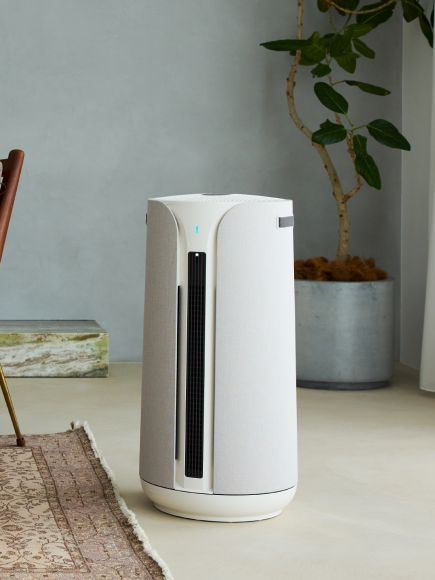
Managing two separate devices, each with different maintenance schedules, filter changes, and placement requirements, can feel like more effort than it should be. A 2-in-1 air purifier and humidifier solves both problems in a single unit.
Blueair's 2-in-1 Pro Purify + Humidify combines HEPASilent™ air purification with 360-degree InvisibleMist™ humidification. The purification side removes 99.97% of airborne particles down to 0.1 microns, while the humidification side delivers up to 60 hours of mess-free moisture from a 1-gallon tank in auto mode. No visible mist, no white dust buildup on furniture, and no risk of a separate humidifier dampening a nearby filter.
The InvisibleMist™ system uses an anti-microbial filter that removes waterborne pollutants before humidified air enters the room. A mold-inhibiting UV light adds another layer of protection. The unit is tap-water safe, so there is no need to buy distilled water.
Co-created with dermatologists, the 2-in-1 Pro includes DermaSense™ Smart Skin mode, which automatically optimizes humidity specifically for skin health. For anyone waking up with dry, tight skin or noticing that nighttime skincare routines are not absorbing the way they should, balanced humidity makes a meaningful difference.
The Blueair app provides smart controls, custom scheduling, and filter lifetime tracking.
Sleeping With an Air Purifier and Humidifier
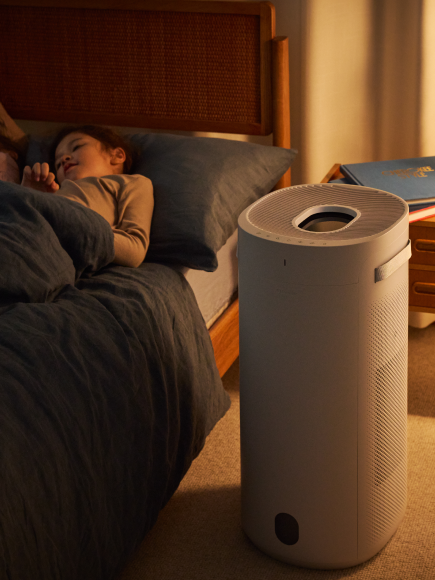
The bedroom is where both devices deliver the most benefit. Most people spend 7 to 8 hours breathing the same enclosed air overnight, making the bedroom the most important room for air quality and humidity management.
Proper humidity in the 40 to 50 percent range supports comfortable breathing, reduces snoring, and helps skin retain moisture during rest. Dry bedroom air, especially when heating systems run continuously in winter, can drop below 20 percent, well under the EPA's recommended floor of 30 percent.
For sleep, quiet operation matters. The 2-in-1 Pro runs as low as 20 dB on its lowest setting, with display-dimming options. Blueair has a dedicated resource on humidifiers and sleep with additional tips.
What Is the 2/3 Rule for Air Purifiers?
The 2/3 rule (sometimes called the 2-3 rule) is a widely used industry guideline for sizing an air purifier. A purifier's CADR (Clean Air Delivery Rate) should be at least two-thirds of the room's square footage to deliver effective filtration. For example, a 300-square-foot bedroom would need a purifier with a CADR of at least 200 CFM.
Oversizing is fine. An air purifier rated for a larger room can run on a lower, quieter fan speed and still clean the air effectively. Undersizing is the real problem because it forces the unit to run on high constantly, creating more noise and still not keeping up. More on CADR and how it works.
Better air, better humidity, one device. Browse Blueair's 2-in-1 purifier and humidifier collection.
FAQs
Can running a humidifier damage an air purifier filter?
Excessive moisture near a filter can reduce efficiency and encourage mold growth inside the unit. Keep separate humidifiers at least several feet from the air purifier. A 2-in-1 device eliminates this risk because the purification and humidification systems are engineered to work together within the same unit.
How do bedrooms get more humid without a humidifier?
A few simple methods help: placing a shallow bowl of water near a heat source, hanging damp towels to air-dry in the room, keeping the bathroom door open after a shower, and adding houseplants that release moisture through their leaves. For consistent, controlled humidity, especially overnight, a dedicated humidifier or a 2-in-1 purifier and humidifier is more reliable.
How often should the filter be changed on a 2-in-1 device?
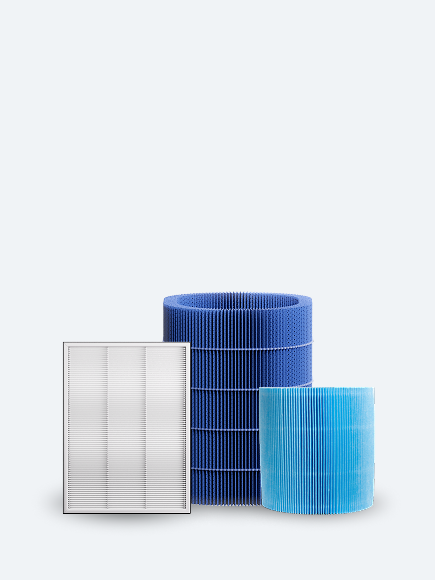
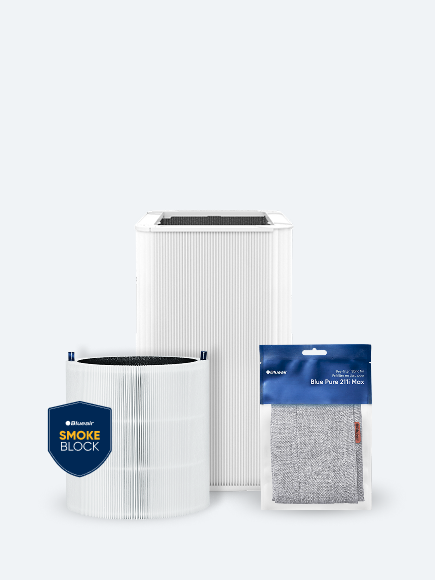
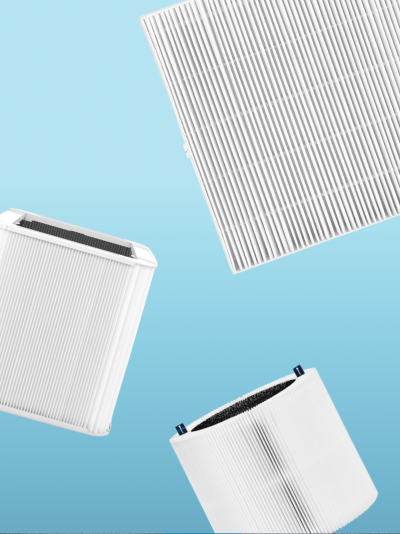
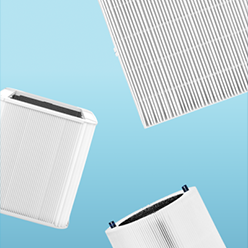
The Blueair 2-in-1 Pro uses a replaceable air filter and a separate humidification wick. Replace the filter every 6 to 9 months and the wick as indicated. After installing a new filter, press and hold the fan speed button for 15 seconds to reset the indicator. A filter subscription saves 15% on every delivery. Model-specific instructions are at Blueair support.
Does a 2-in-1 device work as well as two separate units?
For most bedrooms and living rooms, a 2-in-1 handles both jobs effectively. The Blueair 2-in-1 Pro covers rooms up to 391 sq. ft. with HEPASilent™ purification and InvisibleMist™ humidification, with coordinated operation and simplified maintenance.