











-
Open the door after a long day, and that familiar wave of pet smell hits before the dog or cat even says hello. Love is unconditional. But the hair on the couch, the dander in the air, the lingering odor in a space where fresh air barely circulates, that part takes managing.
The right air purifier makes apartment life with pets genuinely easier.
Why Pet Air Quality Is Harder in Apartments
Apartments tend to have less airflow than houses. Windows may face a single direction. Ventilation systems are shared. Square footage is limited, which means pet hair, dander, and odors concentrate faster and linger longer.
Pet dander, the tiny flakes of skin shed by cats, dogs, and other animals, is microscopic and surprisingly buoyant. Unlike dust that settles quickly, dander particles float in the air for hours. According to the Asthma and Allergy Foundation of America, pet dander is one of the most common household allergens in America.
Pet odor adds another layer. The smell does not come from fur itself but from bacteria, oils, saliva, and urine proteins that settle into soft surfaces and keep releasing odor. In a smaller space, that buildup happens faster, and a standard air purifier with only a basic filter will barely touch it.
What to Look for in a Pet Air Purifier

-
Not all air purifiers handle pet problems equally. Here are the features that actually matter:
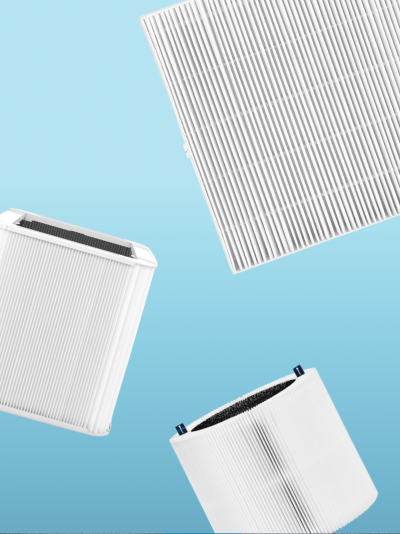
- Particle filtration for dander and hair. A system capable of capturing particles at 0.1 microns or smaller is important. Pet dander is extremely fine, and standard filters miss a significant portion of those smallest particles.
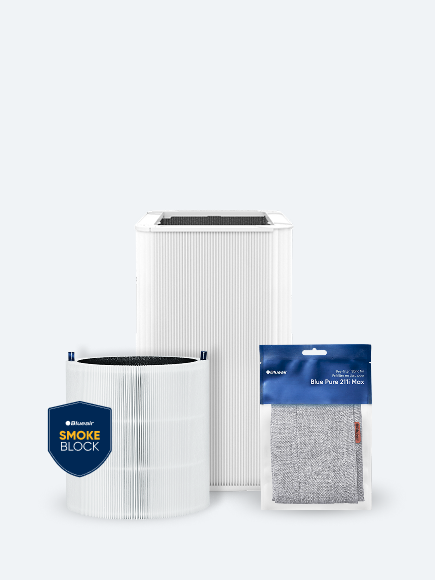
- Activated carbon filtration for odors. Carbon absorbs the volatile organic compounds and odor-causing proteins that make a pet-heavy room smell stale. Without carbon filtration, odor problems are only half addressed.
- Coverage area that matches the space. For apartments, a unit rated for at least the room size, ideally with enough power to cycle air four to five times per hour, is the right target. A room size guide can help match a purifier to any layout.
- Low noise output. In a smaller space, a loud air purifier becomes a constant frustration. Quiet operation allows continuous use without disrupting sleep or work-from-home focus.
- Energy efficiency. Running an air purifier all day is the only way to keep up with continuous dander production. A unit that uses about as much energy as a lightbulb makes it sustainable long-term.
How Blueair's HEPASilent™ Technology Handles Pets
Blueair takes a different approach than standard filtration. HEPASilent™ technology combines mechanical and electrostatic filtration, capturing 99.97% of airborne particles down to 0.1 microns, including pet dander, hair fragments, and allergen-carrying dust. The result is up to 45% more clean air delivered than typical HEPA filtration, at lower noise levels. For apartment living, that quieter operation means a purifier can run on high during sleep or work without becoming disruptive background noise.
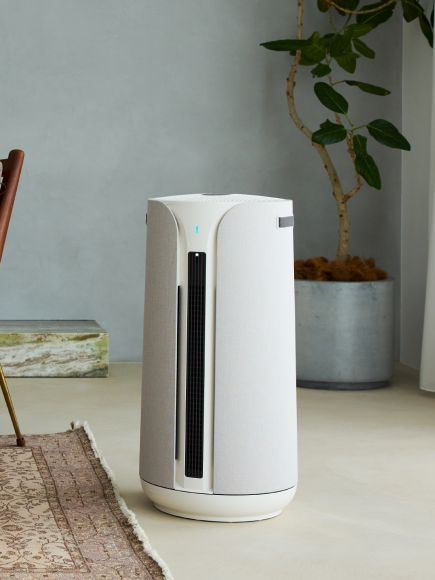
The Blueair PetAir Pro is designed specifically for homes with pets. Along with HEPASilent™ filtration, it includes a customizable quilt pet bed built directly into the unit, so the air around a pet's main resting spot gets cleaned most aggressively, right where dander and odor originate. For smaller apartments, the Blue Pure 511i Max is a compact option that handles pet dander in bedrooms and studios without taking up much floor space.
For more on how cleaner air supports households managing allergens, Blueair's resource on nontoxic, pet-safe air care is a useful read.
Placement Tips for Pet-Friendly Apartments

-
Where an air purifier sits matters, especially in a smaller space.
- Near a pet's favorite spot. Dander concentrates where a pet spends the most time. A purifier positioned near the bed or usual couch cushion captures particles at the source before they spread.
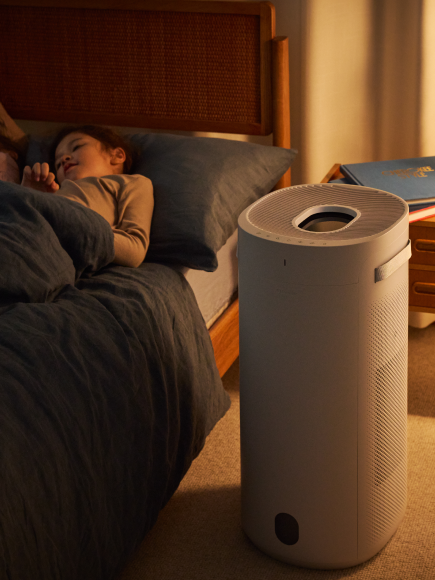
- In the bedroom. Most people spend roughly eight hours there every night. A purifier in the bedroom means cleaner air during recovery hours, which matters if dander is affecting sleep.
- Open floor placement, not tucked in corners. Air purifiers work best with clear intake space on all sides. Corners reduce airflow efficiency.
- Six inches of clearance from furniture. Adequate space around the intake lets air circulate properly.
Keeping Up With Pets Between Filter Changes
An air purifier handles what is airborne. Consistent maintenance keeps everything running at full strength.
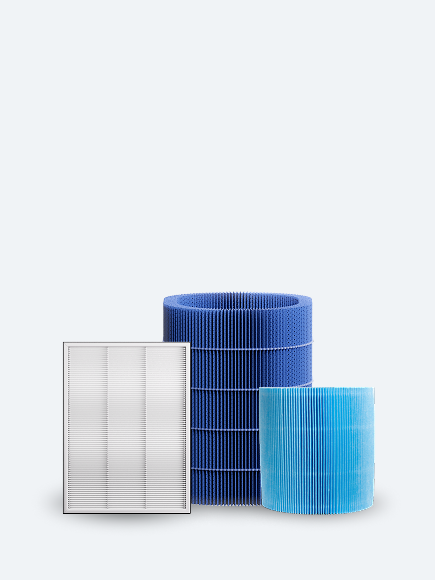
Brush pets outside or in a well-ventilated area to capture loose hair before it becomes airborne inside. Wash pet bedding weekly to reduce the buildup of dander and odor-causing bacteria. Vacuum with a pet-specific attachment at least twice a week, focusing on furniture and baseboards where dander settles. Replace filters on schedule, because a filter overloaded with pet hair and dander cannot capture new particles efficiently.
A filter subscription saves 15% on every replacement and delivers automatically, so the purifier never runs on an overdue filter.
With good habits and a purifier running consistently, the difference in air quality is noticeable within days.
Sharing a home with a pet is one of the best decisions anyone can make. Sharing clean air with them is the next one. Browse Blueair's air purifiers and breathe freely with pets by your side.
FAQs
How often should the filter be changed with a pet in the home?
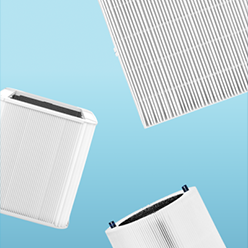
With one or more pets, plan to check filters more frequently than the standard schedule. Pet hair can clog pre-filters faster, reducing overall efficiency. Many Blueair units include a filter replacement reminder, but doing a visual check monthly is a good habit in a pet household. After installing a new filter, press and hold the fan speed button for 15 seconds to reset the indicator. Model-specific instructions are available at Blueair support.
Can an air purifier remove pet smell completely?
An air purifier with an activated carbon filter can significantly reduce pet odors by capturing the airborne particles and gases responsible for the smell. For odors already embedded in upholstery or carpet, surface cleaning remains important alongside air purification.
Is an air purifier worth it for a small apartment with one pet?
Yes, often more so than in a larger home. In a smaller space, dander and odors concentrate quickly. A single pet in a studio or one-bedroom can produce enough airborne allergens to noticeably affect air quality. A right-sized purifier running consistently keeps those levels low.
Are Blueair purifiers safe to run continuously?
Blueair purifiers are designed for continuous operation. HEPASilent™ technology allows lower fan speeds while still delivering strong performance, and many models use less energy than a lightbulb, even running all day. Continuous use is recommended for pet owners, since dander is produced around the clock.
Will an air purifier help with pet allergies?
A quality air purifier may help reduce the concentration of airborne pet allergens at home. Fewer airborne particles means less ongoing exposure, which can be a meaningful everyday improvement for allergy-sensitive households.