












-
Scratchy throat, watery eyes, and that heavy feeling that signals summer has truly arrived. Not the good kind. Windows cracked open for the breeze, the morning air carries grass pollen, mold spores, and a full season's worth of misery right into the bedroom. For the more than 100 million Americans affected by allergies and asthma, summer is not just an inconvenience. Seasonal allergies disrupt sleep, work, and everyday life.
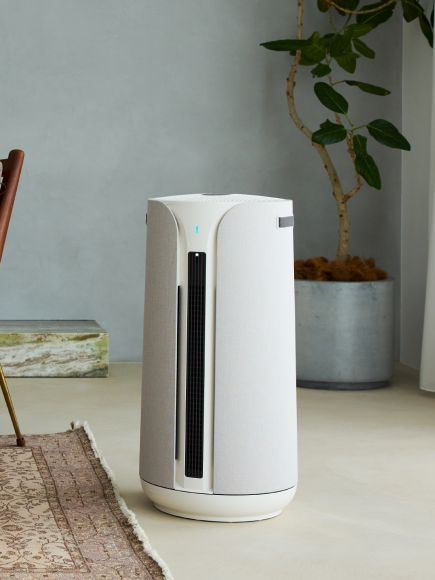
The good news? A home can be a refuge. And the right air purifier for summer allergies can make a real difference in the air breathed indoors.
Why Summer Allergies Are Getting Worse
Pollen season is no longer a brief annual event. According to the Asthma and Allergy Foundation of America, North American pollen seasons have grown 20 days longer and 21% more intense since 1990, driven by rising temperatures and higher CO2 levels. That means more days of elevated pollen counts, a wider window for grass and weed pollen to infiltrate homes, and fewer breaks for sensitive immune systems.
Summer brings its own cocktail of triggers: grass pollen (peak June through August), weed pollen (ramps up in late summer), mold spores (thrive in heat and humidity), and dust mites (multiply in warm, damp conditions).
Even keeping windows shut does not fully seal a home from outdoor air. Pollen hitches rides on clothing, pets, and shoes. Once indoors, these microscopic particles linger in the air, settling on surfaces and recirculating through HVAC systems.
What to Look for in an Air Purifier for Summer Pollen

-
When evaluating an air purifier for allergies, a few factors separate the effective options from the rest.
Filtration efficiency
The core job of any allergy-focused air purifier is capturing the particles that trigger symptoms. Standard HEPA filters capture particles down to 0.3 microns. HEPASilent™ technology goes further, capturing 99.97% of airborne particles down to 0.1 microns, including pollen, mold spores, and dust mite debris, while delivering up to 45% more clean air than typical HEPA systems.
Clean Air Delivery Rate (CADR)
CADR measures how quickly a purifier cleans air in cubic feet per minute. A higher CADR relative to the room size means allergens spend less time airborne. Match the purifier's coverage to the room where the most time is spent, whether that is a bedroom, living room, or home office. A room size guide helps with the math.
Noise level
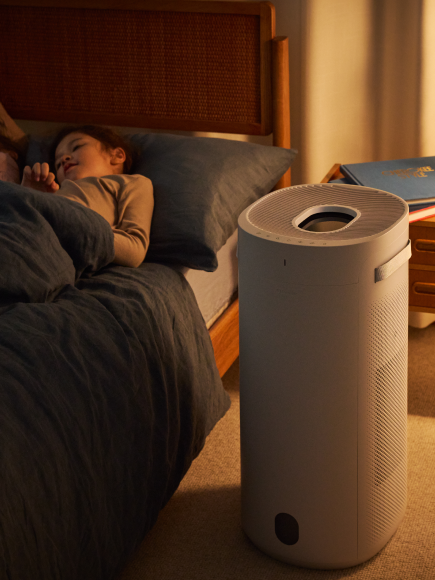
Allergy symptoms often disrupt sleep, which makes a quiet bedroom purifier essential. Blueair models are Quiet Mark certified and operate at whisper-quiet levels on low settings, so overnight use does not add another disruption to an already rough night.
Energy efficiency
Running an air purifier around the clock during peak pollen season is the most effective approach. Many Blueair units use less energy than a standard lightbulb, making continuous operation practical.
How Blueair Targets Summer Allergens

-
HEPASilent™ technology combines two filtration mechanisms to capture more particles at lower fan speeds. Mechanical filtration physically traps particles, while an electrostatic charge draws in finer allergens that would otherwise pass through standard filters. The result is cleaner air, delivered more efficiently and more quietly.
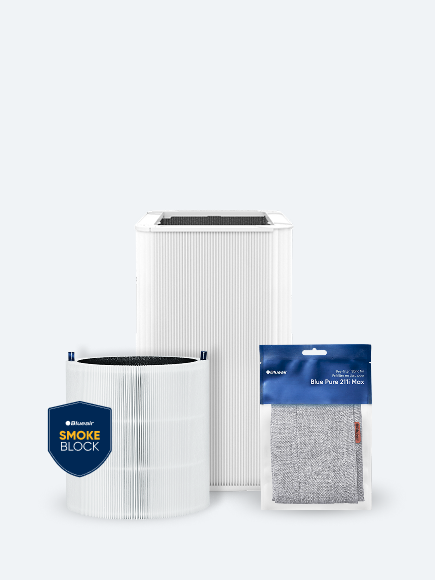
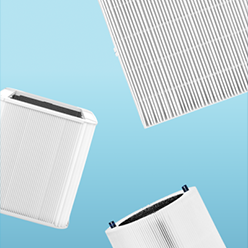
For allergy sufferers, the AllergenBlock filter upgrade is worth knowing about. Available for most Blue Pure Max models, AllergenBlock traps and neutralizes dust, pollen, and pet dander, providing extra protection during peak season. The standard Particle + Carbon filter handles everyday allergens well, and the SmokeBlock filter doubles activated carbon for wildfire smoke season, which often overlaps with summer allergies.
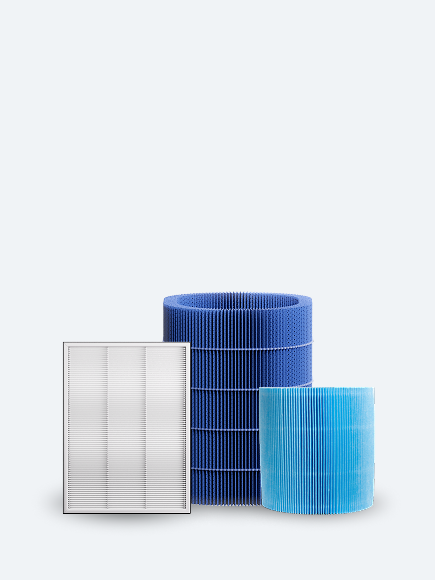
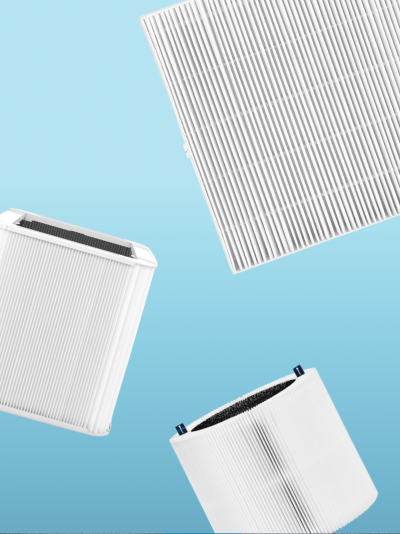
All genuine Blueair replacement filters are available for every model, and a filter subscription saves 15% on every delivery.
Blueair offers purifiers for every room size, from small bedrooms to extra-large open-plan living spaces. All Blueair purifiers are AHAM Verifide for CADR, ENERGY STAR Most Efficient certified, and Zero Ozone Verified by Intertek (less than 5 ppb), which matters because ozone itself is a respiratory irritant.
Setting Up Your Home for Allergy Season

-
An air purifier works best as part of a broader strategy. Pair the unit with these habits:
- Keep windows closed on high pollen count days. Check local forecasts each morning before opening up.
- Run the purifier continuously in the bedroom, especially overnight. Allergy symptoms are closely tied to sleep disruption, and consistent overnight filtration gives the immune system a real break.
- Shower before bed to rinse pollen from hair and skin. Change clothes when coming indoors during peak pollen hours (typically 5 to 10 AM).
- Vacuum with a HEPA-grade vacuum to pull settled allergens from carpets and upholstery.
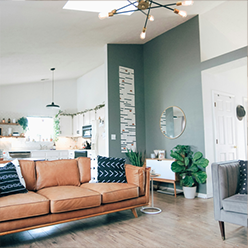
- Position the purifier well. Place the unit in the room where the most time is spent, ideally on the floor or at a low shelf where allergens naturally settle. Running auto mode lets the unit respond to real-time air quality changes, ramping up when pollen spikes and dialing back when the air clears.
For anyone managing a specific condition alongside seasonal allergies, Blueair's resource on air purifiers and health conditions offers additional guidance.
Summer allergies are relentless, but indoor air does not have to reflect what is happening outside. Browse Blueair air purifiers and find the right fit for every room.
FAQs
Can an air purifier help with summer pollen indoors?
A quality air purifier with HEPASilent™ technology can significantly reduce airborne pollen concentrations at home. While no purifier eliminates all allergens, Blueair units capture 99.97% of particles down to 0.1 microns, including pollen grains and mold spores.
What is the best placement during allergy season?
Prioritize the bedroom. Running a purifier overnight gives the immune system a consistent break from allergens during the hours the body most needs to recover. A secondary unit in a living room or home office extends protection throughout the day.
How often should the filter be replaced during pollen season?
Heavy pollen loads can shorten filter life. Check the filter every three months during peak season. Most Blueair units include a replacement indicator. After installing a new filter, press and hold the fan speed button for 15 seconds to reset the indicator. Model-specific instructions are at Blueair support.
Do Blueair purifiers help with mold as well as pollen?
Yes. HEPASilent™ technology captures mold spores alongside pollen, dust mite debris, and other common summer allergens. For homes in humid climates where mold growth is a concern, pairing a Blueair purifier with proper humidity management (aim for 40 to 50 percent) offers strong protection.
Is running an air purifier all day during allergy season safe?
Absolutely. Blueair purifiers are designed for continuous operation. Running a unit around the clock during peak pollen season is the most effective way to maintain consistently clean indoor air, and with energy consumption lower than a lightbulb, the cost is minimal.