













-
Dry indoor air makes allergies worse, irritates sinuses, dries out skin, and disrupts sleep. A humidifier helps, but picking the right type matters. Cool mist and warm mist humidifiers both add moisture, but they work differently, and the situations each one suits best are different enough to matter.
Here is an honest breakdown.
How Each Type of Humidifier Works

-
Cool mist humidifiers use one of two methods. Ultrasonic models break water into a fine mist using high-frequency vibrations. Evaporative models pull air through a saturated wick filter, and the water evaporates naturally. In both cases, the mist released is at room temperature.
Warm mist humidifiers (sometimes called steam vaporizers) boil water and release the vapor as steam. The steam cools slightly before entering the room, but the air around the unit is noticeably warmer. The boiling process kills bacteria and mold in the water before release.
Ultrasonic vs. Evaporative Cool Mist: What's the Difference?
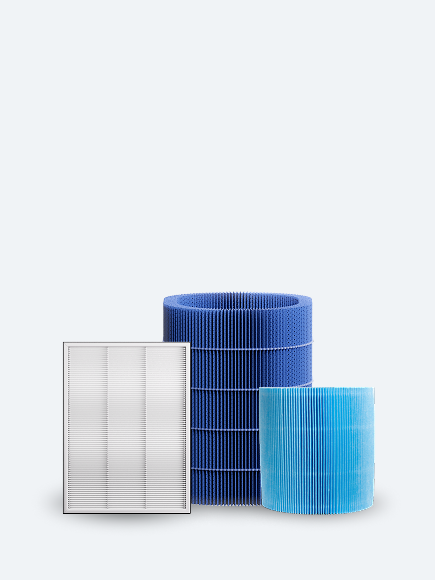
Both are cool mist humidifiers, but they work differently and suit different needs. Ultrasonic models use a vibrating ceramic disc to break water into a micro-fine mist silently - no fan required. They use minimal electricity, run nearly silently, and work well in bedrooms. The trade-off: with tap water, ultrasonic units can release mineral particles as white dust. Using distilled water or a demineralization filter eliminates this. Evaporative models, like Blueair's InvisibleMist units, draw air through a wet wick filter. The water evaporates naturally, leaving minerals trapped in the filter. No white dust, no distilled water required. The fan produces a light hum, though most run at under 35 decibels. For bedrooms: ultrasonic wins on silence. For households with hard tap water or allergy concerns: evaporative wins on mist purity. Both are safe around children and more energy-efficient than warm mist.
The Key Differences Between Warm and Cool Humidifiers

-
Coverage Area
Cool mist humidifiers, particularly ultrasonic models, distribute moisture more evenly across larger spaces. Warm mist units work better in smaller rooms because the steam disperses in a more localized area.
Safety
Warm mist units involve boiling water, which creates a burn risk around young children and pets. Cool mist humidifiers have no heating element, making them the safer choice for a child's bedroom or any high-traffic area.
Energy Use
Boiling water takes more electricity. Warm mist humidifiers typically consume more energy than cool mist models, which is worth factoring in for anyone planning to run one continuously overnight or throughout the day.
White Dust
Ultrasonic cool mist humidifiers can produce white mineral dust when used with tap water. The minerals get dispersed into the air along with the mist. Using distilled or filtered water eliminates the problem. Evaporative cool mist models trap minerals in the wick, so white dust is not an issue with those units. Newer mist-free humidification technologies also solve this by filtering waterborne pollutants before moisture enters the air.
Bacteria and Mold Risk
Because warm mist units boil the water, the steam released is cleaner than what some cool mist models produce. With cool mist humidifiers, especially ultrasonic ones, the water tank needs cleaning regularly. A neglected tank can become a breeding ground for bacteria and mold, which then get dispersed into the room. Cleaning every two to three days is the minimum recommended interval.
Noise
Warm mist models are generally quieter since there is no fan. Evaporative cool mist models use a fan, which produces some white noise. Ultrasonic cool mist models are very quiet, often comparable to warm mist units.
Which Type of Humidifier is Better for Specific Situations?
For a child's room: Cool mist. No burn risk, no heating element. The American Academy of Pediatrics recommends cool mist humidifiers for children's rooms for exactly this reason.
For dry winter air throughout the house: Cool mist, particularly evaporative, for better whole-room coverage and lower energy costs.
For sinus congestion and cold relief: Warm mist. The steam can feel more soothing for congestion, and some warm mist units accept inhalant pads specifically for this purpose.
For allergies and asthma: Either type works if kept clean. The EPA recommends keeping indoor humidity between 30% and 50% to discourage mold growth and dust mites, which are both major allergy triggers. Going above 50% creates more problems than it solves.
For sleeping: Ultrasonic cool mist, which is nearly silent. For more on how humidity affects rest, the connection between humidification and sleep quality is well-documented.
For small, enclosed spaces: Warm mist.
What About a Humidifier That Also Cleans the Air?

-
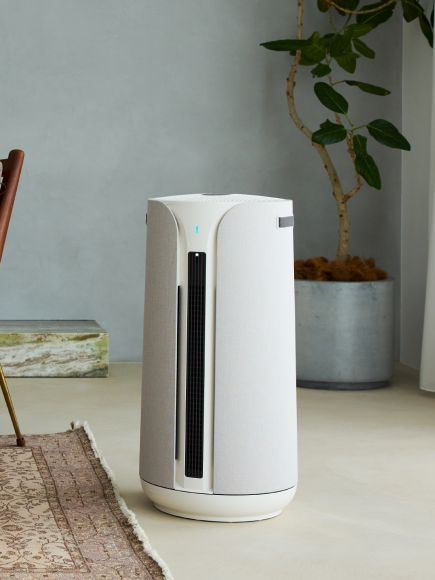
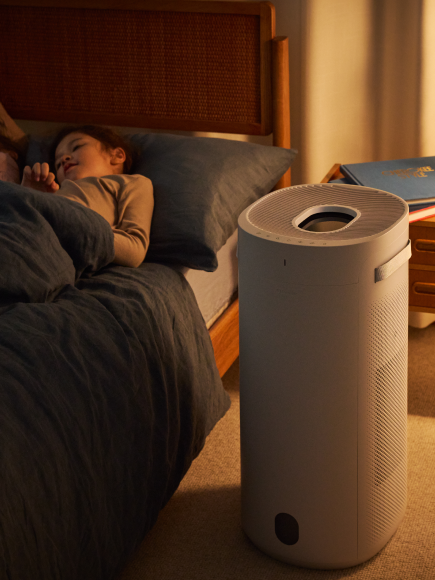
For anyone dealing with both dry air and indoor air quality concerns, a device that handles both at once is a practical upgrade. The Blueair 2-in-1 Pro Purify + Humidify combines HEPASilent air purification with 360-degree InvisibleMist cool mist humidification. Designed for rooms up to 391 sq ft, the unit uses an antimicrobial filter to prevent white dust and bacterial release, which directly addresses the biggest complaint people have with standard cool mist humidifiers.
A 1-gallon tank delivers up to 60 hours of moisture in auto mode. Smart Skin mode, co-created with dermatologists, optimizes overnight humidity specifically for skin hydration while the HEPASilent filter removes 99.97% of airborne particles down to 0.1 microns. The washable wick and mold-inhibiting UV pump mean maintenance stays manageable, and the Blueair app allows scheduling, humidity targets, and filter tracking from a phone.
For anyone who just needs humidity without purification, a standalone humidifier is simpler and more affordable. But for households managing allergies, asthma, or chronic dryness alongside poor air quality, combining both functions in one unit makes sense.
Maintenance of Humidifier: The Part Most People Skip
Both types need regular cleaning. For cool mist humidifiers, clean the tank every two to three days with a diluted white vinegar solution and rinse thoroughly. Replace the wick or filter as directed by the manufacturer. For warm mist models, descale the heating element regularly, as mineral deposits from tap water build up over time.
A dirty humidifier is worse than no humidifier at all. Whatever the choice, factoring cleaning into the weekly routine is non-negotiable.
The Answer for Your Problem
Cool mist is generally the better all-around choice for most homes, safer around kids and pets, more energy-efficient, and better for larger spaces. Warm mist has a real advantage for cold and congestion relief in a small room.
For anyone dealing with both dry air and air quality concerns, a combination purifier and humidifier is worth the upgrade. And for help deciding what fits a specific space, For anyone dealing with both dry air and air quality concerns, browse Blueair humidifiers — the guided selling tool walks through the key questions in about a minute.
FAQs
Is cool mist or warm mist better for sleeping?
Both work for sleep. Warm mist is quieter and soothing for congestion. Cool mist ultrasonic units are also very quiet and safer around children.Which humidifier type is better for allergies?
Cool mist evaporative humidifiers are generally better. Warm mist can encourage dust mite growth if humidity exceeds 50%. Keep levels between 30-50% regardless of type.Do warm mist humidifiers kill bacteria?
Yes. Boiling water before releasing steam kills most bacteria in the water, making warm mist units slightly more hygienic when maintained properly.Can a humidifier help with dry skin? Yes. Both cool and warm mist raise indoor humidity, which reduces moisture loss from skin. Consistent humidity between 40-50% noticeably helps dry skin during the winter months.
Should I use distilled water in my humidifier?
For ultrasonic cool mist humidifiers, yes. Distilled water prevents white mineral dust. For warm mist and evaporative units, tap water is usually fine.How big of a humidifier do I need for a bedroom?
A bedroom of 200-400 sq ft needs a humidifier rated for that coverage. Check the manufacturer's square footage rating and match it to your room size.Is cool mist or warm mist humidifier better for babies?
Cool mist is the recommended choice for babies and young children. The American Academy of Pediatrics advises cool mist models specifically because there is no heating element, eliminating burn risk entirely. Ultrasonic cool mist units are also the quietest option for nurseries.
Is cool or warm mist humidifier better for congestion?
Warm mist provides faster congestion relief - steam opens airways and soothes nasal passages. Cool mist is effective for dryness but less immediately soothing. Keep warm mist units away from young children due to the hot-water burn risk.