













-
Went to bed at a reasonable hour. Woke up groggy anyway. The culprit might not be the mattress or screen time. Stale, polluted bedroom air could be quietly disrupting rest each night, and a few straightforward changes can fix that.
Why Bedroom Air Quality Affects Sleep
Most people sleep with doors and windows closed, which sounds sensible until you consider what happens over eight hours. Every breath exhaled adds carbon dioxide to the room. Dust mites, pet dander, pollen, and volatile organic compounds (VOCs) from furniture and carpets all accumulate in the air being breathed through the night.
Research published in Indoor Air found that when bedroom CO2 levels were lower, participants reported better sleep quality, improved next-day concentration, and stronger cognitive performance. The takeaway is straightforward: the air quality in a closed bedroom directly affects how restorative sleep actually is.
How to Fix Stale Bedroom Air at Night

-
Better bedroom air does not require a renovation. A combination of smart habits and the right tools makes a real difference.
Ventilate before bed
Opening a window for 20 to 30 minutes before bed lets fresh outdoor air dilute the buildup of CO2 and other indoor pollutants. If outdoor air quality is poor, timing ventilation during off-peak traffic hours, usually early morning, reduces the pollution coming in.
Remove pollutant sources from the room
Scented candles, synthetic air fresheners, and certain cleaning sprays all release VOCs into bedroom air. Swapping these for fragrance-free alternatives is an easy way to lighten the pollutant load. Vacuuming regularly, washing bedding weekly in hot water, and keeping pets out of the bedroom at night also reduce the concentration of allergens breathed during sleep.
Manage humidity
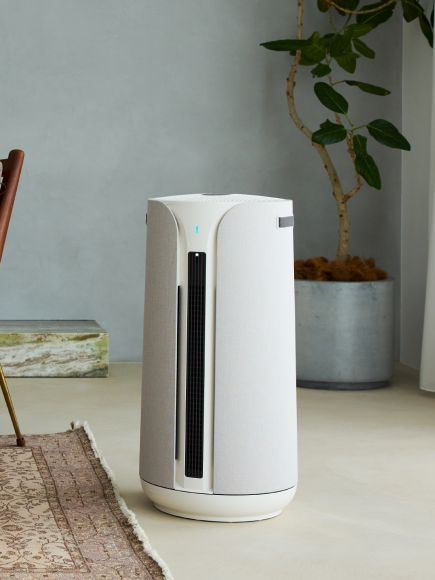
Humidity that is too high encourages mold and dust mite growth. Aim for 40 to 50 percent relative humidity. A simple hygrometer, available at most hardware stores, removes the guesswork. For homes where dry air is the bigger problem, especially during winter, Blueair's 2-in-1 Pro combines HEPASilent™ air purification with InvisibleMist™ humidification, removing 99.97% of airborne particles while maintaining optimal moisture levels. Co-created with dermatologists, DermaSense™ Smart Skin mode optimizes humidity for skin and respiratory comfort.
Run an air purifier designed for the bedroom
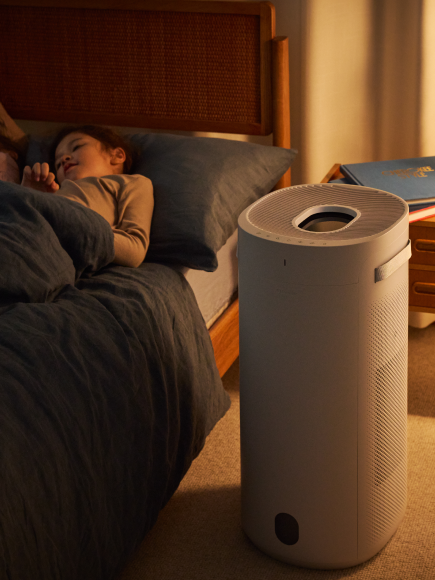
Good habits go a long way, but they cannot filter the air already circulating in a closed room. An air purifier running continuously removes particles and pollutants that vacuuming and ventilation alone cannot catch.
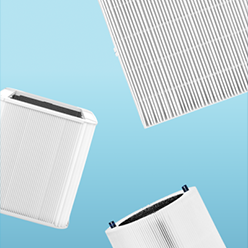
For a bedroom specifically, noise level matters just as much as performance. A unit that hums loudly defeats its own purpose. Blueair purifiers are powered by HEPASilent™ technology, which combines electrostatic and mechanical filtration to capture 99.97% of airborne particles down to 0.1 microns, including dust, pollen, pet dander, smoke, and VOCs. Because HEPASilent™ uses less dense filters, the units move more air at lower fan speeds while producing less noise, and many Blueair models are Quiet Mark certified for whisper-quiet operation.
Many Blueair units also use less energy than a lightbulb, making 24/7 operation practical without impacting the electricity bill. Blueair's room size guide helps match the right model to any bedroom layout, whether the space is a small room or a large primary suite.
Consider a sleep-specific solution
The Blueair Mini Restful™ Sunrise Clock Air Purifier was designed specifically for the nightstand. Combining HEPASilent™ filtration with a sunrise alarm clock and soothing sounds, the unit cleans 140 sq. ft. of bedroom air while creating a gentle, phone-free wake-up routine. QuietMark certified, the Mini Restful runs through the night without disruption.
What Better Bedroom Air Actually Feels Like

-
Blueair's own usage data found that air purifiers led to noticeable gains in sleep continuity among users who kept a purifier running overnight. Over time, those incremental improvements in sleep quality add up to meaningful, restorative rest.
For anyone living with allergies, asthma, or other respiratory sensitivities, the impact can be even more pronounced. Blueair's overview of air purifiers and health conditions offers more context on how cleaner air supports wellbeing.
Bedroom Air Quality Action Plan
A simple routine to start tonight:
- Before bed: Ventilate for 20 to 30 minutes, then close windows and doors.
- Weekly: Wash all bedding in hot water. Vacuum mattress and floors.
- Ongoing: Keep humidity between 40 and 50 percent.
- Always: Run a quality air purifier on a low, quiet setting through the night.
Swap out: Synthetic candles, plug-in fresheners, and scented sprays for fragrance-free options.
Small changes, stacked consistently, compound into dramatically better sleep over time.
FAQs
How does stale air affect sleep quality?
When a bedroom stays closed overnight, exhaled CO2 builds up, and airborne particles from dust, dander, and off-gassing materials accumulate. Higher CO2 and pollutant levels have been linked to lighter sleep, more nighttime awakenings, and reduced next-day alertness in peer-reviewed research.
Can an air purifier run all night safely?
Yes. Blueair purifiers are designed for continuous operation and use less energy than a lightbulb, so overnight use is both safe and cost-effective. Consistent filtration during the 7 to 8 hours spent in bed makes the biggest difference in overall exposure.
How often should a bedroom air purifier filter be replaced?
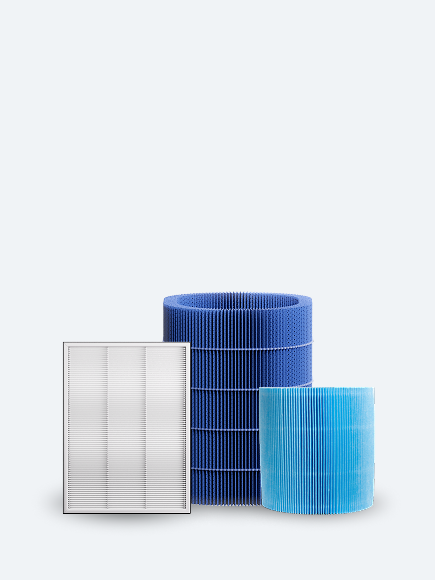
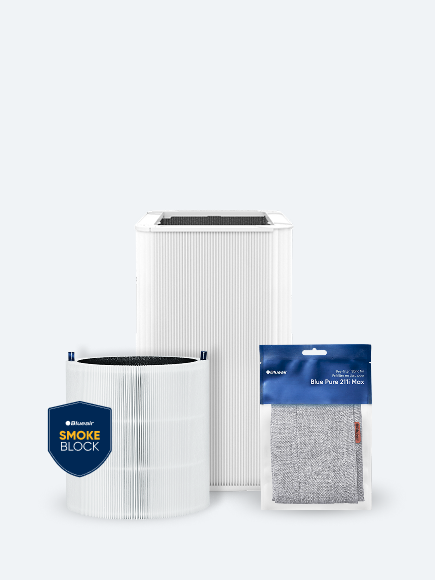
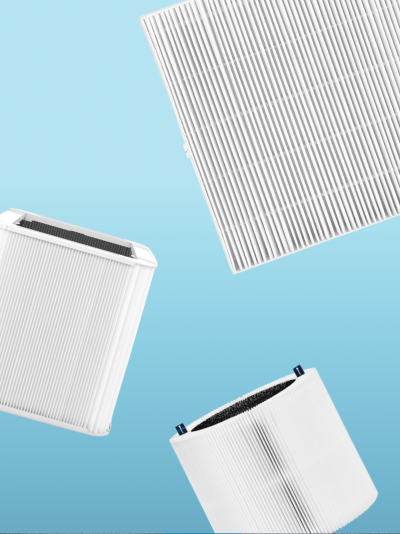
Most Blueair filters should be replaced every 6 to 9 months, depending on the model and usage. After installing a new filter, press and hold the fan speed button for 15 seconds to reset the indicator. A filter subscription saves 15% on every replacement and delivers automatically. Model-specific instructions are available at Blueair support.
Do plants improve bedroom air quality enough to replace a purifier?
Houseplants add oxygen and a calming aesthetic, but they cannot filter particulate matter, VOCs, or allergens at a meaningful rate in a typical bedroom. A quality air purifier handles the heavy lifting. Plants are a welcome complement, not a substitute.
Ready to wake up refreshed? Browse Blueair bedroom air purifiers and find the right fit for your space.