











-
Air quality became a household conversation topic during the COVID-19 pandemic, and for good reason. Many people started asking whether air purifiers could protect their families from airborne viruses. The answer is nuanced. Air purifiers can reduce exposure to virus-containing particles in indoor spaces, but they work best as part of a broader health strategy, not as a magic shield.
Understanding how air purifiers interact with viruses helps you make informed decisions about protecting your home environment. While no device can eliminate all risk, quality air filtration plays a meaningful role in creating cleaner, healthier indoor air.
Can Air Purifiers Remove Virus Particles from the Air?

-
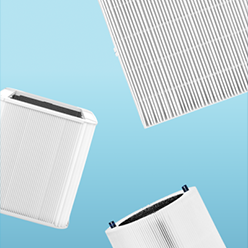
Air purifiers equipped with HEPA filters can capture a significant portion of virus-sized particles. HEPA filters trap particles as small as 0.1 microns, which includes the size range where virus particles typically travel through the air. Once trapped in the filter, viruses cannot multiply on their own and lose infectivity over time.
However, air purifiers are not standalone protection devices. The EPA emphasizes that portable air cleaners alone are not enough to protect people from COVID-19. Distance, ventilation, and other precautions remain critical components of a comprehensive health strategy.
How Air Purifiers Capture Airborne Virus Particles
Quality air purifiers work by pulling indoor air through filtration systems and returning clean air to the room. Blueair air purifiers use HEPASilent™ technology, which combines mechanical and electrostatic filtration to capture 99.97% of airborne particles down to 0.1 microns.
The technology works by electrically charging incoming particles, making them easier to trap in the filter media. Larger air delivery rates mean the purifier cycles room air more frequently, reducing the concentration of airborne contaminants over time.
What the Science Says About Air Purifiers and Virus Transmission
Multiple studies have examined air purification in the context of virus transmission. The consensus among researchers is cautiously optimistic but emphasizes layered protection.
Research on virus-sized particle capture shows that HEPA filtration effectively removes particles in the size range of respiratory viruses. Blueair was among the first air purifier brands to conduct testing against live SARS-CoV-2 particles, demonstrating capture capabilities in controlled laboratory conditions.
Experts note important limitations. Consumer Reports points out that an air purifier across the room offers limited protection from an infected person sitting directly next to you. Proximity matters. Air purifiers work best when they can process and filter the air before viral particles spread throughout a space.
The EPA recommends air filtration as one component of a comprehensive indoor air quality strategy. Other measures include:
- Increasing outdoor air ventilation
- Maintaining appropriate humidity levels
- Regular surface cleaning
- Minimizing close contact in indoor spaces
- Improving airflow patterns in occupied rooms
Where Air Purifiers Make the Biggest Difference in Your Home

-
Air purifiers prove most effective in specific scenarios where you can control the environment and airflow.
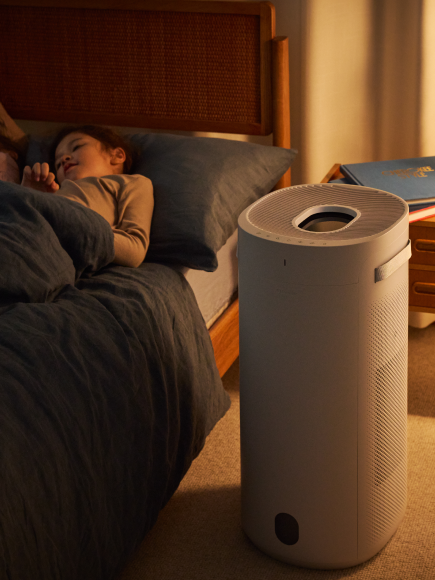
Personal rooms with closed doors - Placing an air purifier in the room of someone who is quarantining or managing respiratory illness allows the unit to focus on filtering that smaller air volume. Keeping the door closed reduces exposure risk for caregivers and household members.
Spaces for vulnerable individuals - If someone in your household has a compromised immune system or elevated health risk, an air purifier in their primary living space adds an extra layer of protection.
Supplementing poor ventilation - Older buildings or rooms without windows benefit from mechanical air filtration when improving natural ventilation isn't possible.
Multi-layered home health strategies - Air purifiers work best when combined with other protective measures. Distance, masks during illness, hand hygiene, and vaccination remain the primary defenses. Air filtration supports those efforts rather than replacing them.
Choosing the Right Air Purifier for Virus Protection

-
Not all air purifiers offer the same level of particle capture. When evaluating air purifier units for virus reduction, consider these factors:
Filter type - True HEPA or equivalent filtration that captures particles down to 0.1-0.3 microns
Room coverage - Match the purifier's clean air delivery rate (CADR) to your room size using Blueair's room-sizing guide
Air changes per hour - Look for air purifier units that can cycle room air 4-5 times per hour
Placement flexibility - Position the unit where airflow patterns optimize particle capture
Energy efficiency - Air purifiers that run continuously should use minimal energy. Browse Blueair's energy-efficient models that consume less electricity than a standard light bulb, making continuous operation practical.
What Air Purifiers Cannot Do - Important Limitations
Setting realistic expectations helps you use air purification effectively. Air purifiers cannot eliminate all exposure risk to viruses like COVID-19. Viral transmission happens through multiple pathways, and filtration only addresses airborne particles.
Close-range exposure remains the highest-risk scenario. When an infected person coughs, sneezes, or talks directly near you, the viral load in that immediate space exceeds what an air purifier can filter in real time. Distance and masks provide better protection in those moments.
Surface transmission, while less common with COVID-19, still requires separate cleaning protocols. Air purifiers do not disinfect surfaces or objects.
Important note: No consumer air purifier has been specifically certified to eliminate SARS-CoV-2 from indoor air. Claims about virus reduction come from studies of particle capture efficiency at virus-relevant sizes, not direct testing on specific diseases. Focus on general air hygiene and particle reduction rather than disease-specific elimination claims.
Creating a Healthier Indoor Air Environment
Air quality extends beyond virus protection. The same filtration that captures virus-sized particles also removes allergens, smoke, dust, pet dander, and volatile organic compounds. Improving overall air quality creates health benefits whether or not viral illness is a concern.
Blueair is a Certified B Corporation, meeting high standards for environmental and social responsibility. Swedish engineering heritage drives the design philosophy: efficient, reliable, and straightforward performance without unnecessary complexity.
Regular filter replacement maintains air purifier effectiveness. HEPA filters saturate over time, and particle-loaded filters lose efficiency. Most manufacturers recommend replacement every 6-12 months depending on usage and air quality conditions.
Combining air purification with ventilation strategies provides the best results. Opening windows when outdoor air quality permits, using exhaust fans, and maintaining HVAC systems all contribute to healthier indoor air.
FAQ About Air Purifiers and Virus Protection
Q. Can an air purifier prevent me from getting COVID-19?
No air purifier can fully prevent COVID-19 infection. Air purifiers reduce the concentration of virus-containing particles in indoor air, but they do not eliminate exposure risk. The EPA and CDC recommend using air filtration as one part of a multi-layered approach that includes vaccination, distancing, masks when appropriate, and good hygiene.
Q. What size air purifier do I need for virus particle protection?
Choose an air purifier rated for at least your room's square footage, preferably larger. The air purifier should cycle the room's air 4-5 times per hour for effective particle reduction. Check the clean air delivery rate (CADR) specification and match it to your space. Larger coverage ratings provide faster air changes.
Q. Do air purifiers work against new virus variants?
Air purifiers capture particles based on size, not the specific virus strain. HEPA filters trap particles in the 0.1-0.3 micron range regardless of whether the virus is an original strain or a variant. The physical filtration mechanism of your air purifier remains effective across different viruses of similar size.
Q. Should I run my air purifier constantly?
Continuous operation provides the best air quality results. Viruses and other particles constantly enter indoor air through breathing, movement, and ventilation. Running your air purifier continuously maintains lower particle concentrations. Energy-efficient models make all-day operation practical and affordable.
Q. Where should I place an air purifier for maximum virus particle protection?
Position the air purifier as close to occupied spaces as practical. Placing a unit in the room where vulnerable individuals spend the most time offers better protection than central hallway placement. Avoid corners or behind furniture where airflow is restricted. Keep the air purifier a few feet from walls for optimal air intake and output.