











-
Indoor air can be two to five times more polluted than outdoor air. For families looking to clean the air throughout an entire home, the question of which home air purification system actually works best comes up constantly. The answer depends on the home's layout, the specific pollutants being targeted, and how much maintenance feels reasonable.
Whole House Air Purifier vs. Portable Air Purifiers

-
Whole-home systems and portable room units approach air purification from different angles. Understanding both helps narrow down the best option.
How Whole House Air Purifiers Work
A whole-house air purifier integrates into the home's existing HVAC system. Air passes through a central filter as the furnace or AC runs, cleaning air throughout every room connected to the ductwork. The main advantages are coverage and convenience, since one system theoretically handles the entire home.
The downsides are significant, though. Whole-house systems only work when the HVAC is running. Filter quality varies widely, and many central systems use lower-grade filters that miss fine particles like pollen, bacteria, and smoke. Installation costs run high, often $1,000 to $4,000 or more, depending on the system.
How Portable Air Purifiers Work
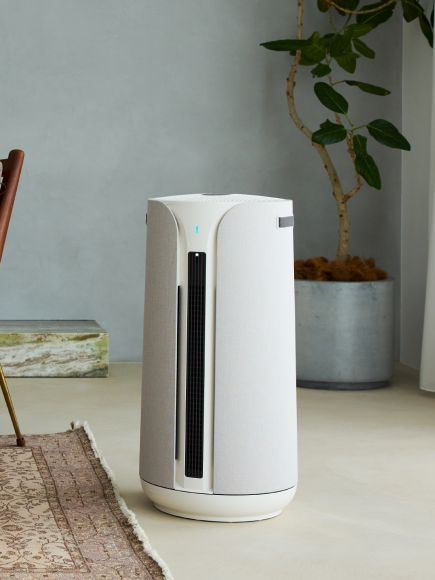
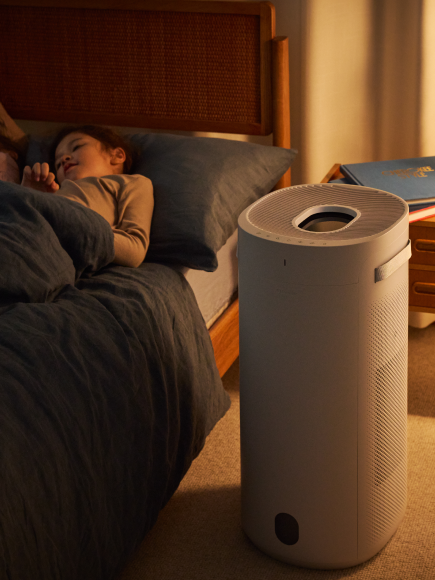
A portable air purifier sits in a room and continuously draws in air, filters it, and recirculates clean air back into the space. High-performance models equipped with HEPASilent™ technology combine mechanical and electrostatic filtration to capture 99.97% of particles down to 0.1 microns. Because electrostatic charging allows a less dense filter, more air passes through at lower fan speeds, resulting in quieter operation and lower energy use without sacrificing filtration performance.
Portable units can be placed exactly where air quality matters most, typically bedrooms, living rooms, and home offices. Multiple units throughout the home often outperform a single central system because each room gets dedicated filtration with a higher air change rate. A detailed breakdown of how to match purifier performance to specific room dimensions covers the math behind getting this right.
What to Look for in a Home Air Purification System

-
Not every air purification system delivers the same results. A few key factors separate effective systems from marketing noise.
CADR Rating (Clean Air Delivery Rate)
CADR measures how quickly a purifier cleans air in a given space. Higher CADR means faster, more thorough purification. An air purifier rated for medium rooms with strong CADR numbers will outperform a unit marketed for larger spaces but with weak airflow. AHAM Verifide certification confirms that CADR scores have been independently tested, not just claimed by the manufacturer. More on what CADR means and why it matters is available for anyone wanting the full technical picture.
Filtration Technology
Standard mechanical HEPA-grade filters capture particles at 99.97% efficiency. HEPASilent™ technology adds electrostatic charging before the mechanical filter, which allows the filter media to be less dense. Less dense filters mean more airflow at lower fan speeds, which translates to quieter operation and lower energy consumption without sacrificing filtration performance.
Room Coverage and Air Changes per Hour
A well-matched purifier should deliver at least 4.8 air changes per hour in the intended room. Placing a compact purifier in a small bedroom achieves this more effectively than relying on a whole-house system that may only cycle air 1 to 2 times per hour in distant rooms.
Noise Level
Any system running 24/7 needs to be quiet enough for sleeping. Look for units with dedicated night modes that drop below 25 dB, quieter than a whisper. The relationship between air purifiers and sleep quality is well-documented, and noise level plays a central role in whether a purifier helps or hinders rest.
Best Air Purification Setup for a Typical Home

-
According to the EPA, the most effective strategy for improving indoor air quality combines source control, improved ventilation, and air cleaning. For most homes, a multi-room portable approach works better than a single central system.
A practical setup places a high-CADR unit sized for the main living area, a quiet purifier with auto mode in the master bedroom, a compact child-safe model with display lock in kids' rooms or a nursery, and a small portable air purifier in the home office for desk-level air cleaning. Placing units where people spend the most time ensures the highest return on cleaner air.
For homes that also need temperature control alongside purification, a 3-in-1 unit that heats, cools, and purifies can consolidate devices in rooms where space is limited.
How to Purify Air in a Home Naturally
Mechanical filtration delivers the most measurable results, but a few complementary habits improve indoor air quality further. Opening windows briefly during low-pollen hours helps ventilate. Vacuuming with a HEPA-equipped vacuum at least twice a week reduces settled particles. Washing bedding in hot water weekly cuts down on dust mites. Avoiding synthetic fragrances, aerosol sprays, and scented candles limits VOC exposure. Maintaining humidity between 30 and 50% discourages mold and dust mite growth.
Pairing these habits with a dedicated air purifier for the bedroom creates a genuinely healthier sleep environment.
Do Whole Home Systems Make Sense for Anyone?
Whole-house air purifiers work best in newer homes with well-sealed ductwork and HVAC systems that run frequently. For older homes with leaky ducts, the filtration efficiency drops dramatically because unfiltered air enters through gaps.
Portable units avoid these issues entirely. Every room gets consistent, measured air cleaning regardless of ductwork condition. Modern smart purifiers connect to apps for real-time air quality monitoring, filter tracking, and remote control, features that whole-house systems rarely offer. The ability to monitor particle levels room by room, adjust fan speeds remotely, and receive filter replacement alerts through the Blueair app adds a layer of precision that central systems cannot match.
Cleaner Air Starts in the Room That Matters Most
The best home air purification system is the one that matches the home's actual needs. For most families, that means placing high-quality portable purifiers in the rooms where the most time is spent. Start with the bedroom, add the living room, and expand from there. The improvement in air quality and in how everyone feels shows up faster than expected.
Frequently Asked Questions
Is a whole-house air purifier worth the cost?
Whole-house systems provide broad coverage but often filter at lower efficiency than dedicated portable units. For homes with good ductwork, they add value. For most families, strategically placed portable purifiers deliver better per-room results at lower total cost.
How many air purifiers does a house need?
One per high-use room is the general recommendation. A typical three-bedroom home benefits from three to four units: one for the main living area, one for the master bedroom, and one or two for kids' rooms.
Can air purifiers remove VOCs and odors?
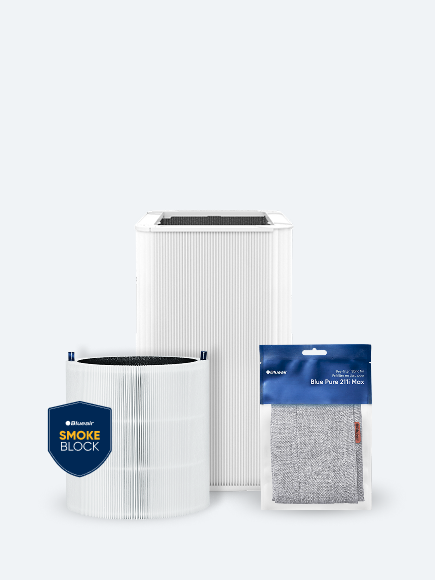
Air purifiers with activated carbon filters can reduce VOCs, cooking odors, and chemical off-gassing. Specialized filter options with enhanced carbon formulations offer stronger protection for homes near highways or in areas prone to wildfire smoke.
What is the most effective air purification technology?
HEPASilent™ technology, which combines electrostatic and mechanical filtration, delivers 99.97% particle capture at 0.1 microns while running quieter and using less energy than standard HEPA-only systems.
Do air purifiers use a lot of electricity?
Most modern portable air purifiers consume between 2W and 46W, depending on the model and fan speed. Running one 24/7 on a low setting costs roughly the same as a single LED lightbulb.
How often should air purifier filters be changed?
Filter lifespan varies by model and usage. Most filters last 6 to 9 months, though some models extend to a full year. Models with RealTrack technology monitor actual pollution levels and usage to calculate accurate filter replacement timing rather than using a fixed countdown.
What is the most effective home air purifier?
The most effective home air purifier is one that matches the room's square footage, delivers at least 4.8 air changes per hour, and uses verified filtration technology. CADR rating is the most reliable performance indicator. A purifier with AHAM-certified CADR scores and HEPASilent™ filtration will remove 99.97% of particles, including dust, pollen, mold spores, and bacteria from the air. Effectiveness drops sharply when a purifier is undersized for the room, so matching the unit to the space is just as important as the technology inside it.
Can air purifiers help with snoring?
Snoring caused or worsened by nasal congestion from allergens like dust mites, pet dander, or pollen can improve when those particles are removed from the bedroom air. An air purifier running overnight reduces the allergen load that swells nasal passages and narrows airways. For snoring linked to structural issues or sleep apnea, an air purifier alone will not resolve the problem, but reducing airborne irritants can still lower inflammation and complement other treatments.
Which brand is best for air purifiers?
The best brand is one that publishes AHAM-verified CADR scores, uses independently tested filtration, and provides transparent filter replacement costs. Marketing claims without third-party validation are common in the air purifier industry. Look for certifications like AHAM Verifide, ENERGY STAR, Quiet Mark, and CARB zero-ozone compliance. Blueair air purifiers carry all four certifications and were named Consumer Reports Best Air Purifier Brand of 2025.
What is the best air purifier for chemo patients?
Chemotherapy suppresses the immune system, making patients significantly more vulnerable to airborne infections and irritants. An air purifier in the recovery room should capture bacteria, mold spores, virus-carrying particles, and VOCs from cleaning products or medications. HEPASilent™ filtration at 99.97% efficiency down to 0.1 microns addresses all of these.