













-
That fine white powder coating furniture, electronics, and dark surfaces near a humidifier is more than a cleaning nuisance. White dust from humidifiers is a real problem, especially for families managing allergies or respiratory sensitivities. The good news: certain humidifier types eliminate this issue.
What Causes White Dust from Humidifiers?

-
White dust is mineral residue, primarily calcium and magnesium, naturally present in tap water.
How Ultrasonic Humidifiers Create White Dust
Ultrasonic humidifiers use high-frequency vibrations to break water into a fine mist that gets released into the air. The problem is that ultrasonic technology does not separate minerals from the water before dispersing it. Every mineral particle in the water becomes airborne along with the moisture, eventually settling as white dust on nearby surfaces.
The harder the tap water, the more white dust an ultrasonic humidifier produces. Homes in regions with hard water, which includes much of the Midwest, Southwest, and parts of the Southeast, see this issue most frequently.
Why White Dust Matters Beyond the Mess
Beyond the cleaning hassle, inhaling mineral particles is a valid concern. A report published by the EPA notes that ultrasonic and impeller humidifiers can disperse microorganisms and minerals from the water tank into indoor air. For people with asthma or respiratory allergies, breathing in mineral dust adds an unnecessary irritant on top of existing indoor pollution sources already affecting air quality.
Pairing a humidifier with an air purifier in the same room can help catch stray mineral dust, but the better approach is choosing a humidifier that avoids producing it altogether.
Which Humidifier Types Produce White Dust?
Not all humidifiers are created equal when it comes to mineral residue.
Ultrasonic Humidifiers (Highest White Dust Risk)
Cold mist and warm mist ultrasonic models both produce white dust when used with tap water. Using distilled water reduces the problem significantly but adds ongoing expense and inconvenience.
Impeller Humidifiers (Moderate White Dust Risk)
Impeller (cool mist) humidifiers use a rotating disc to fling water into a diffuser. Similar to ultrasonic models, minerals in the water become airborne, though output volume is typically lower.
Evaporative Humidifiers (No White Dust)
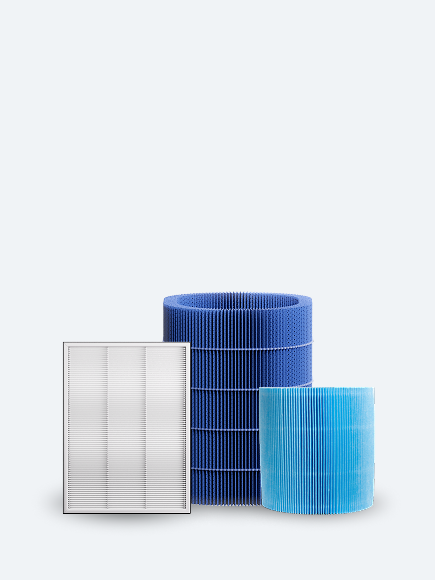
Evaporative humidifiers work differently. A fan blows air through a wet wick or filter, and only pure water vapor is released. Minerals stay trapped in the wick. No minerals enter the air, which means no white dust on surfaces. Evaporative models are the gold standard for anyone who wants to add moisture to a room without the mess. A deeper explanation of how mist-free humidification technology works covers the engineering behind this approach.
Mist-Free Humidifiers (No White Dust)
Advanced mist-free humidifiers use evaporation-based methods that release invisible moisture without any visible mist, spray, or mineral residue. No mist means no white dust, period. An antimicrobial wick filter captures minerals and impurities before moisture enters the room, making these models safe for use with regular tap water.
How to Prevent White Dust from a Humidifier

-
For anyone currently using an ultrasonic humidifier and dealing with white dust, a few steps can minimize the issue.
Use Distilled or Demineralized Water
Removing minerals from the water before it enters the tank eliminates the source of white dust. Distilled water is available at most grocery stores. Over time, though, this adds cost and trips to the store.
Use a Demineralization Cartridge
Some ultrasonic humidifiers accept inline demineralization cartridges or filters that trap minerals before the mist is released. Check the manufacturer's specifications to see if this option is available.
Clean the Tank Regularly
Mineral buildup inside the tank concentrates over time. Cleaning the tank with white vinegar every few days prevents excessive mineral deposits from accumulating and being dispersed.
Switch to an Evaporative or Mist-Free Model
The most effective long-term solution is switching to a humidifier type that does not disperse minerals at all. Evaporative and mist-free humidifiers deliver comfortable humidity levels without any of the white dust problems associated with ultrasonic designs. Understanding how humidity levels affect health helps calibrate the right output once the switch is made.
Best Humidifier Features for a Dust-Free Experience

-
When shopping for a humidifier that avoids white dust, the most important features include evaporative or mist-free technology (not ultrasonic), a top-fill design for easy cleaning and refilling, antimicrobial tank or wick materials that resist bacteria growth, adjustable humidity output to maintain the 30 to 50% sweet spot, and quiet operation for bedroom use.
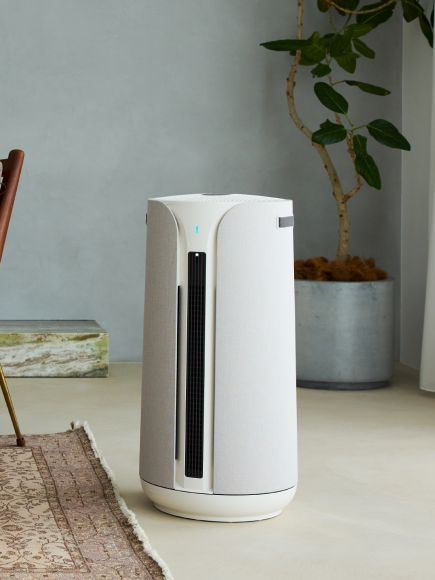
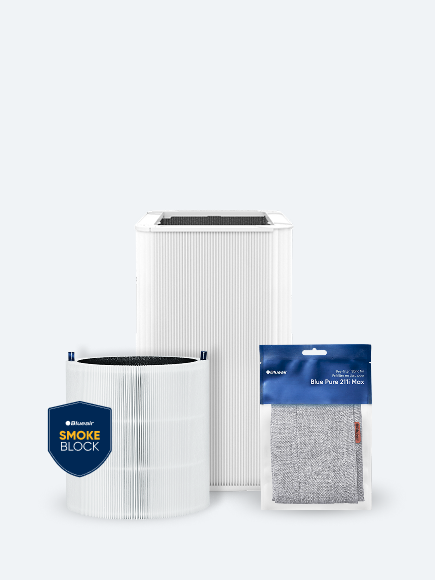
For homes where both air quality and humidity are concerns, a combined air purifier and humidifier eliminates white dust while simultaneously filtering airborne allergens with HEPASilent™ technology, handling two problems with one device.
Keeping the air clean alongside proper humidity control means pairing a humidifier with a compact air purifier for personal spaces in rooms where particulate exposure is a concern.
Clean Moisture, No Residue
White dust does not have to be the cost of comfortable humidity. Switching to evaporative or mist-free humidification technology solves the problem at its source. No distilled water runs, no wiping down surfaces every morning, no mineral particles floating through the air. For anyone tired of the white dust trade-off, the fix is straightforward, and the difference is immediate.
Frequently Asked Questions
Do all humidifiers cause white dust?
No. Only ultrasonic and impeller humidifiers produce white dust because they disperse liquid water droplets that carry dissolved minerals into the air. Evaporative and mist-free humidifiers release pure water vapor, leaving minerals trapped in the wick filter. Switching to an evaporative model eliminates white dust regardless of water hardness.
What can be put in a humidifier to prevent white dust?
Using distilled or demineralized water in an ultrasonic humidifier prevents white dust because distilled water contains virtually no minerals. Some ultrasonic models also accept demineralization cartridges that filter minerals before the mist is released. However, the most reliable prevention is using an evaporative or mist-free humidifier, which avoids mineral dispersal entirely, no matter what water is used.
Should a humidifier be used with COPD?
Maintaining indoor humidity between 30 and 50% can benefit people with COPD by keeping airways moist and reducing irritation from excessively dry air. However, the type of humidifier matters. Ultrasonic models that disperse mineral particles and potentially harbor bacteria in stagnant tank water can worsen respiratory symptoms. Evaporative or mist-free humidifiers with antimicrobial wick filters are the safer choice for anyone with compromised lung function. Pairing a humidifier with an air purifier that captures fine particles adds an extra layer of respiratory protection. Always consult a pulmonologist before adding humidity devices to a COPD management plan.
How to get white stuff off a humidifier?
White mineral scale inside a humidifier tank can be removed by filling the tank with undiluted white vinegar and letting it soak for 30 to 60 minutes. Scrub stubborn deposits with a soft brush, rinse thoroughly, and allow the tank to air dry before refilling. For ongoing prevention, clean the tank every 3 to 7 days and consider switching to an evaporative humidifier, which traps minerals in a replaceable wick rather than allowing them to build up on tank surfaces.
Can white dust from a humidifier make you sick?
Mineral particles from ultrasonic humidifiers can irritate the respiratory system, especially in people with asthma or allergies. The EPA recommends using distilled water or switching to an evaporative model to avoid dispersing minerals.
Does distilled water completely prevent white dust?
Using distilled water in an ultrasonic humidifier eliminates most white dust because it contains almost no minerals. However, evaporative and mist-free humidifiers prevent white dust regardless of water type.
Are evaporative humidifiers quieter than ultrasonic models?
Ultrasonic humidifiers are generally quieter because they have no fan. Evaporative models produce a soft fan sound, though many modern designs operate below 30 dB, which is barely noticeable during sleep. The relationship between humidification and sleep quality is worth considering when choosing between noise levels and health benefits.
How often should humidifier wicks be replaced?
Evaporative humidifier wicks typically last 1 to 3 months, depending on water hardness and usage frequency. Replacing wicks on schedule prevents mineral buildup and maintains efficient humidification.
Do warm mist humidifiers leave white dust?
Warm mist humidifiers that use a boiling element produce steam, which leaves minerals behind in the tank rather than dispersing them. Ultrasonic warm mist models, however, can still produce white dust.
What humidity level prevents dust mites and mold?
Keeping indoor humidity between 30 and 50% discourages both dust mite reproduction and mold growth. A hygrometer is the simplest way to monitor levels and adjust the humidifier output accordingly.