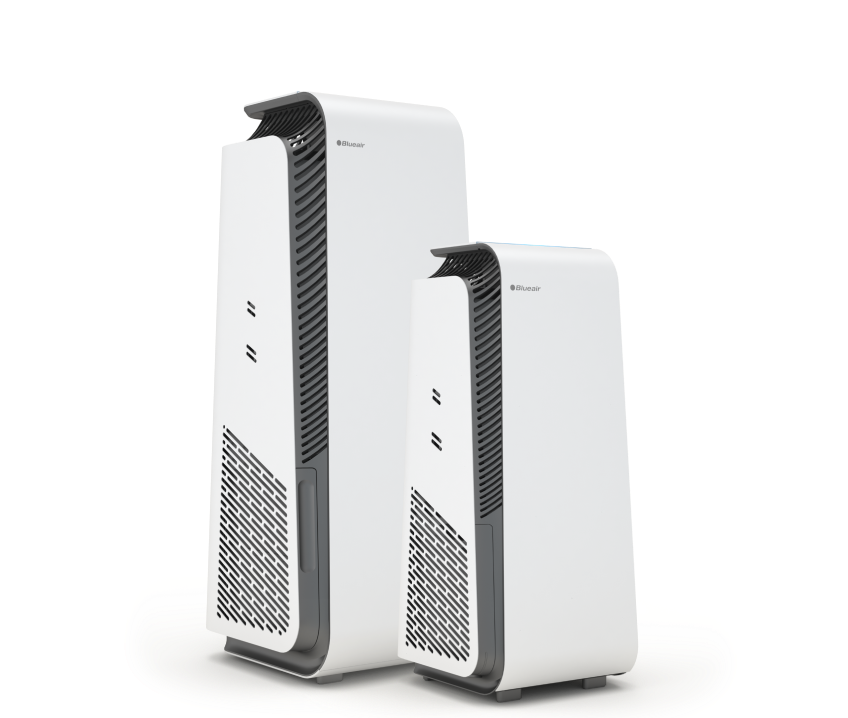
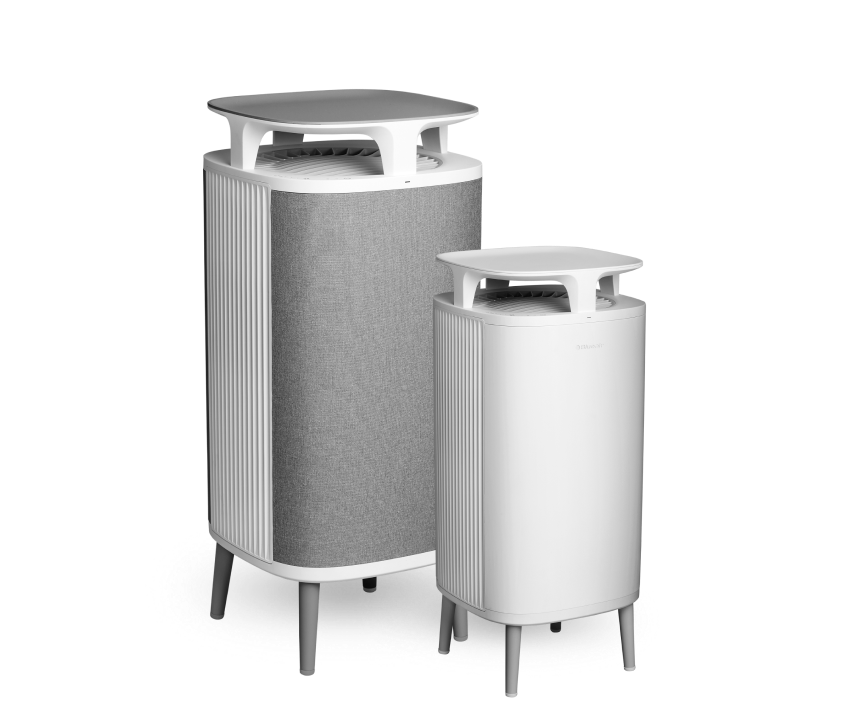
Humidificateur
Top questions about Humidifier
How to use videos
Humidifier Troubleshooting
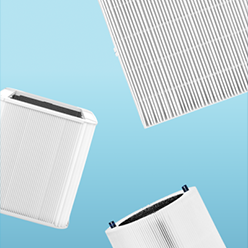
User Manuals & Replacement Filters
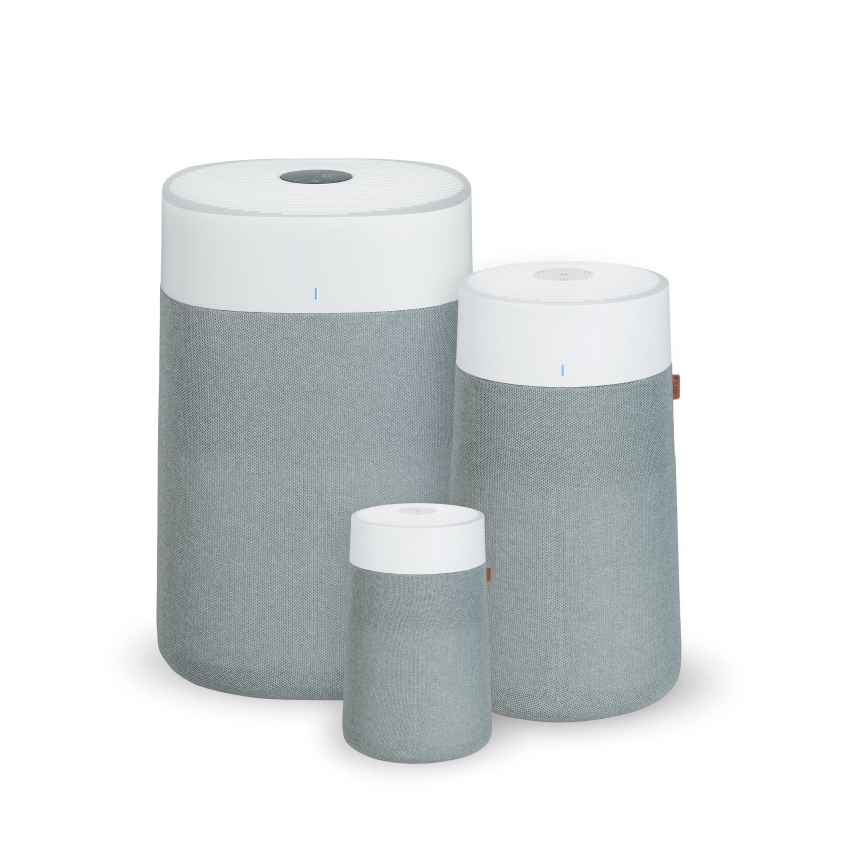
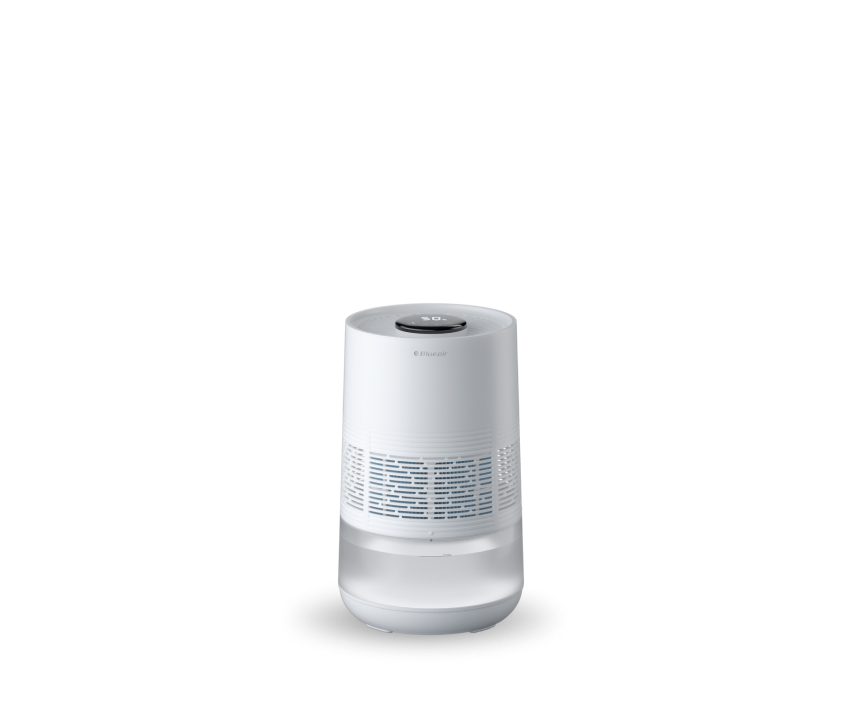
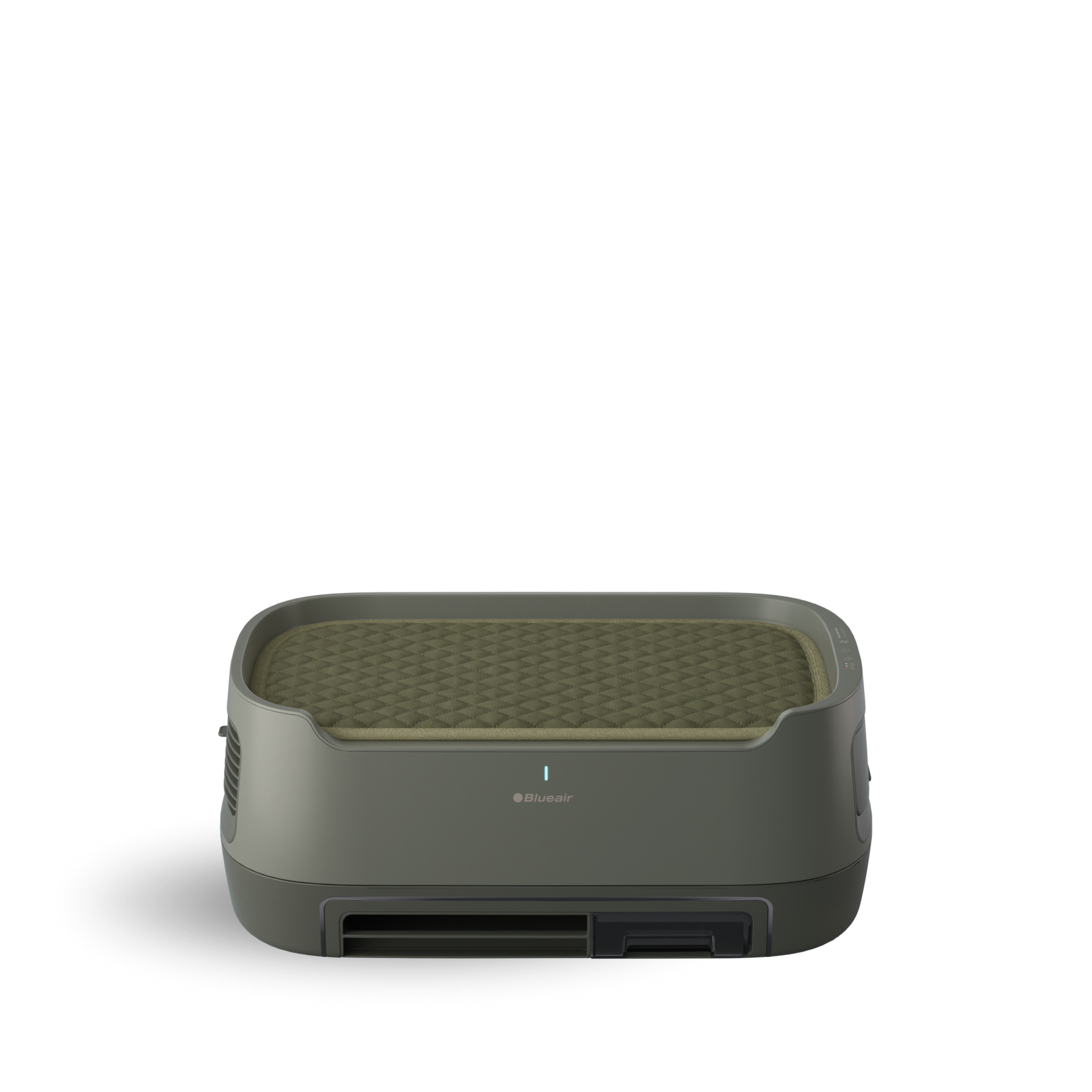
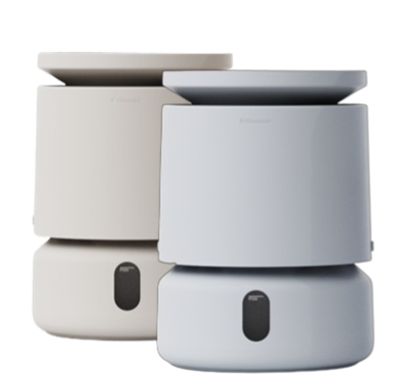
Humidifier H35i
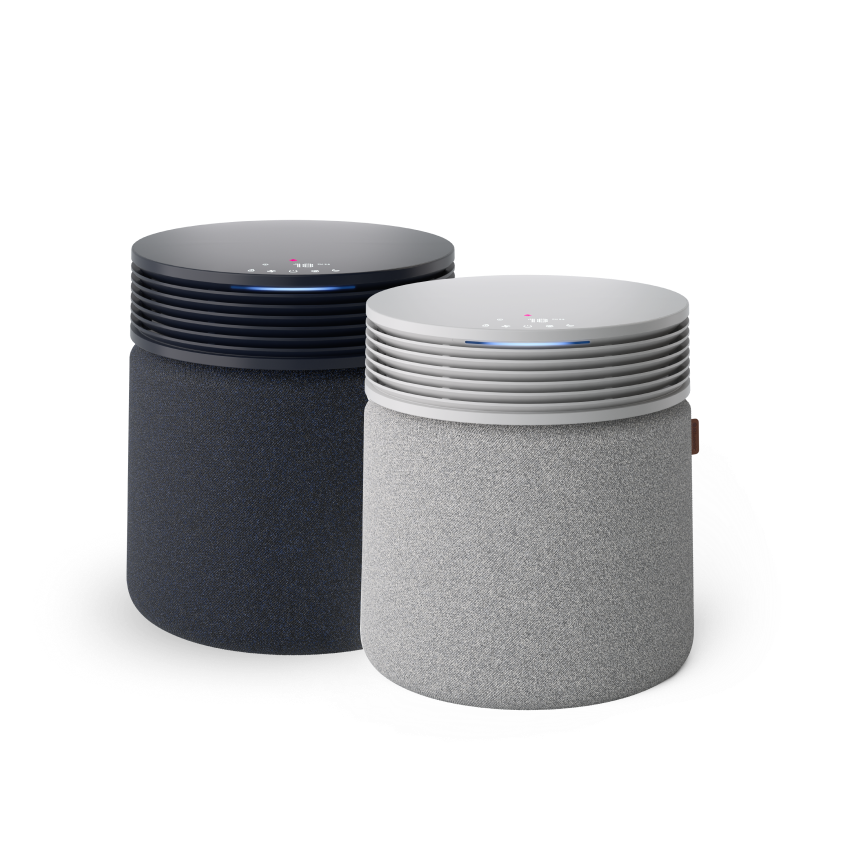
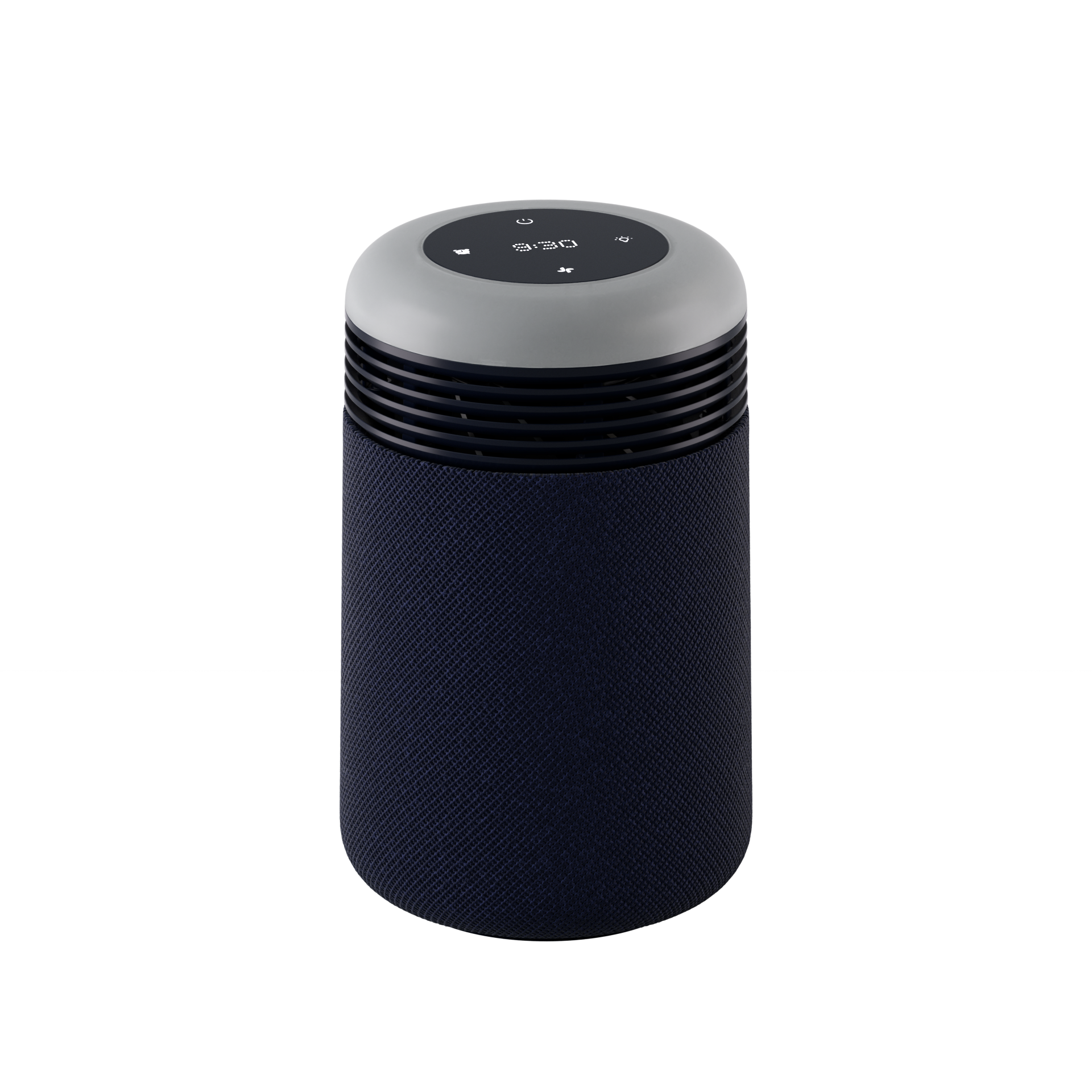
DreamWell H38i
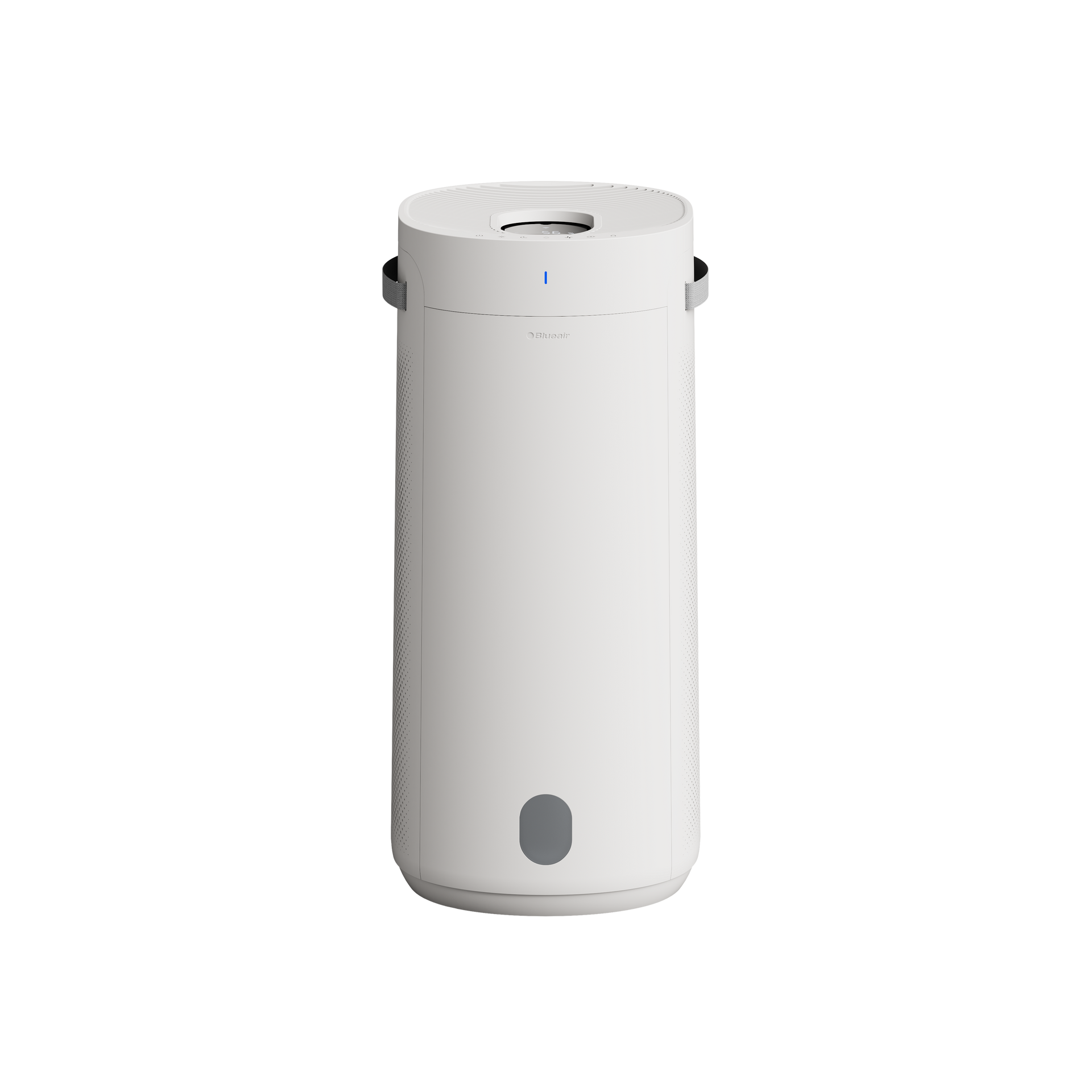
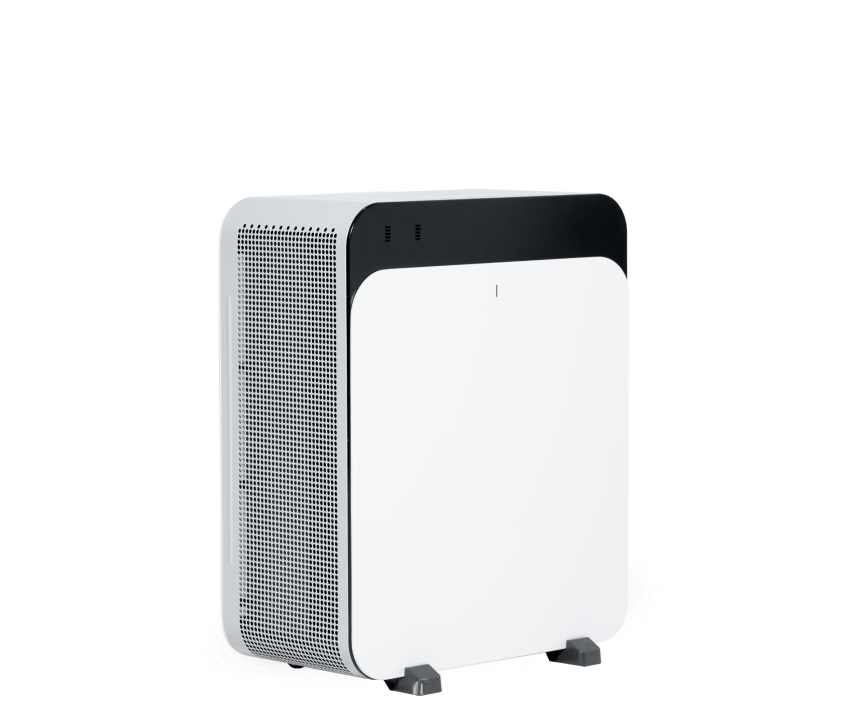
DreamWell H76i
Start shopping to qualify for free shipping!
This website uses cookies to improve your experience. By continuing to use our website you are consenting to our cookie policy.
The frequency of descaling depends on how often you use your humidifier and the mineral content of your water.
Regular descaling helps ensure consistent performance, prevents operational issues, and keeps your humidifier functioning as intended.
Follow the steps below to safely and effectively descale your humidifier using citric acid descaling powder. Before you start be sure to unplug the device, remove the visible scale from the inner tank surfaces by rinsing with fresh water and wiping with a clean towel.
Step 1: Prepare the Descaling Solution
For regular maintenance (2% solution – recommended monthly):
For heavy scale or pump issues (4% solution):
Fill the tank with water first, then add the descaling powder and mix well.
Step 2: Soak the Pump and Tank
Step 3: Rinse and Reassemble
Over time, mineral deposits from water can build up inside your humidifier, especially around the tank and pump. This buildup, commonly called scale, can interfere with normal operation and may cause the humidifier to appear as if it is not working.
Descaling is important because:
If your humidifier has water in the tank, the humidity settings are correct, and the pump still does not appear to be working, descaling the pump and tank is a recommended next step.
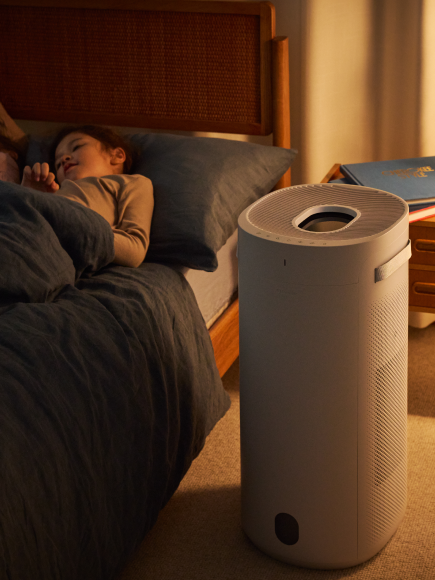
Unlike traditional evaporative humidifiers that rely on directional vents, Blueair’s 360° air flow design allows for even, all-around humidification, in and out, creating a more balanced room environment — no more dry corners or uneven coverage.
Many evaporative models use basic wick filters, but Blueair's filter is anti-microbial, helping inhibit bacterial growth. This not only ensures cleaner moisture but reduces odor and filter degradation over time.
Blueair separates the water tank from the wick and uses a precision water pump to deliver just the right amount of water to the filter. This hygienic approach, combined with the automatic drying feature, helps reduce mineral buildup, keeps the wick fresher longer, and cuts down on cleaning time — all while delivering cleaner, fresher air.
As a brand known for air purification, Blueair brings its airflow engineering and filtration know-how to humidification, offering a solution that’s not just effective, but thoughtfully engineered for health, comfort, and wellness.
Blueair 360° InvisibleMist™️ uses advanced evaporative technology to deliver clean moisture without the damaging, messy mist.
How does an evaporative Humidifier work?
An evaporative humidifier uses a fan to blow air through a moistened wick or filter, causing water to evaporate into the air and increase humidity.
Dry air is quietly drawn in, passed through an anti-microbial wick filter that traps minerals in the water which pumped up from the tank, and gently released back through a fan as clean, invisible humidity.
No mist & no white dust

Not necessarily, if the humidifier:
Then it is likely functioning as designed and being limited by environmental conditions rather than a mechanical issue.
For best results:
In extremely dry homes, using multiple humidifiers may be necessary.
Check if the room is too large for the unit's capacity, ensure doors and windows are closed, and verify the hydrometer is working correctly.
Obtainable indoor humidity levels:
Trying to maintain 50%+ in winter may not be achievable—or recommended—due to condensation risks on windows and walls.
Your humidifier is designed to improve comfort, not override extreme environmental conditions.
Humidity readings may differ slightly between your Blueair humidifier and other hygrometers. There are many factors that can affect the humidity reading and humidity sensors can vary by ±5% or more depending on:
For best accuracy:
Small differences between sensors do not necessarily indicate a performance issue.
The short answer is that this is because the humidifier is working harder.
In dry conditions like cold winters or hot dry climates, more water is absorbed into the air and at a faster rate. This increased water usage is actually a sign that the humidifier is actively humidifying, not a defect, and will deplete the water in the humidifiers tank more rapidly.
In more humid seasons, the same tank may last significantly longer because the air can’t absorb as much additional moisture.
This is normal in dry environments.
In cold winters or hot dry climates, a 5–10% increase in relative humidity can actually represent a significant amount of added moisture—especially in a room where moisture is constantly being pulled out by dry air and heating systems.
The humidifier is adding water continuously, but the environment is also continuously removing it. Like filling a bucket with a hole in the bottom.
Cold winter air holds far less moisture than warm air. When cold outdoor air enters your home and is heated, its relative humidity drops dramatically.
For example:
This is why humidity levels often plateau in winter, even after running the humidifier overnight.
Very dry environmental conditions, like cold winters or hot dry climates, can make it very difficult to raise indoor humidity levels—even when the humidifier is working correctly.
A humidifier adds moisture to the air at a fixed maximum output rate. In dry conditions (especially when your home’s heating or cooling system is constantly running), moisture is being removed from the air faster than usual. This can limit how high the humidity level can rise, even in small rooms.
Factors that can prevent reaching your humidity target:
In these conditions, maintaining 30–40% relative humidity is often realistic, while higher settings may not be achievable.
Q: Why won't my humidifier go above 30% humidity?
A. If your humidifier stops at 30%, the most common causes are: your home is too large for the humidifier’s output capacity, excessive air leaks around windows and doors are letting moisture escape, or your furnace is running constantly and drying out the air faster than the humidifier can add moisture. Check your humidifier’s coverage area rating and seal any air leaks first.
Q: Why is my humidifier not changing the humidity at all?
A: A humidifier that produces mist but doesn’t change humidity readings usually has one of three issues: the hygrometer is placed too close to the humidifier and reads inaccurately, the room is too large for the unit’s capacity, or there is excessive ventilation removing humid air. Move your humidity sensor 3–5 feet away from the unit and ensure doors and windows are closed.
Q: How can I increase my humidifier's output?
A: To maximize output: clean the unit thoroughly, as mineral buildup can reduce efficiency by up to 40%; use distilled water; place it on an elevated surface for better mist distribution; run it continuously rather than intermittently; and ensure the room is sealed. If the output is still insufficient, you may need a larger-capacity unit.
Q: Why does my evaporative humidifier not raise humidity?
A: Evaporative humidifiers are self-regulating and slow down as humidity rises. If yours isn’t raising humidity at all, check that the wick filter isn’t clogged with minerals and replace it every 1–2 months, verify that the fan is running, ensure there is adequate water flow to the wick, and confirm that the room isn’t too large for the unit’s rated capacity.
Les changements saisonniers et votre climat local affectent grandement l'humidité de votre maison. Pour une maison confortable et saine, visez un niveau d'humidité entre 30 et 50%.
Lorsque l'air de votre maison est trop humide, il peut être chaud et collant, et il peut aggraver les conditions de santé comme l'asthme et les allergies, ce qui le rend plus difficile à respirer.
D'un autre côté, lorsque l'air est trop sec, vous remarquerez peut-être la peau sèche, une gorge irritée ou des yeux qui démangent. Une faible humidité peut également endommager les planchers en bois et les meubles, ce qui les fait déformer ou se fissurer.
Séré: <30%
Idéal: 30-50%
Humide:> 50%
Un humidificateur évaporatif utilise un ventilateur pour faire sauter l'air à travers un filtre de mèche humidifié, ce qui fait évaporer l'eau dans l'air et augmenter l'humidité.
Le filtre Wick doit être remplacé tous les 6 mois. Il doit être nettoyé chaque semaine lorsqu'il est utilisé en fonction des instructions du manuel d'utilisation pour maintenir des performances optimales.![]()
Important! Lorsque le filtre de mèche est remplacé, l'indicateur d'expiration du filtre doit également être réinitialisé. Pour réinitialiser votre filtre Expire Indicateur:
Important! Éteignez l'humidificateur et déconnectez-vous de l'alimentation avant la maintenance.
Lorsque la lumière de l'indicateur de votre humidificateur devient rouge, il est temps de changer le filtre Wick. 

Pour réinitialiser l'indicateur de filtre, allumez l'appareil et long appuyez sur le bouton de vitesse du ventilateur pendant environ 15 secondes, jusqu'à ce que les LED clignotent 3 fois, puis relâchent.
Lorsque le filtre de mèche est remplacé, l'indicateur d'expiration du filtre doit être réinitialisé manuellement.![]()
Votre humidificateur Blueaiir est sûr à utiliser avec une eau propre de votre choix, y compris le robinet. Il est recommandé de nettoyer faiblement le réservoir d'eau pour assurer un bon fonctionnement. Après le remplissage, appuyez sur n'importe quel bouton pour redémarrer.
Option 1: haut de gamme (recommandé)

Option 2: remplissage de seau

* Le verrouillage de l'affichage peut également être activé / désactivé via l'application *
Le temps d'exécution de votre humidificateur sur un réservoir complet peut varier considérablement en fonction de la taille de votre espace et de l'humidité naturelle de votre environnement. Nous vous recommandons de garder un œil plus approfondi sur le réservoir lorsque vous obtenez l'humidificateur pour la première fois et lorsque les saisons changent pour comprendre la fréquence à laquelle le remplacement est nécessaire dans votre espace.
Si le feu bas de l'eau ne s'est pas éteint après avoir rempli le réservoir d'eau, ajustez manuellement la vitesse du ventilateur sur l'humidificateur en appuyant sur le bouton de vitesse du ventilateur sur l'appareil ou via l'application Blueair. Cela attirera l'eau dans la pompe et permettra au capteur de détecter l'eau récemment ajoutée. L'indicateur à faible eau s'éteindra ensuite, et vous pouvez voir le ventilateur à la vitesse souhaitée ou le retourner en mode automatique.
Le mode sec automatique ou le «séchage automatique» facilite la vie en utilisant un flux d'air bas pour sécher le filtre de mèche après utilisation, vous passez donc moins de temps à nettoyer. Votre appareil passera automatiquement en mode sec automatique 5 minutes après que le réservoir d'eau soit devenu vide ou que l'appareil soit désactivé.
Remarque: Lorsqu'il est allumé, le mode Dry Auto s'activera pendant 2 heures. Il y a un délai de 5 minutes avant l'activation du mode sec automatique. Vous pouvez quitter le mode Dry Auto ou désactiver cette fonctionnalité dans l'application si vous le souhaitez. Pour la meilleure expérience d'hygiène et utilisateur, nous vous recommandons de laisser cette fonction activée.
Unlike traditional evaporative humidifiers that rely on directional vents, Blueair’s 360° air flow design allows for even, all-around humidification, in and out, creating a more balanced room environment — no more dry corners or uneven coverage.
Many evaporative models use basic wick filters, but Blueair's filter is anti-microbial, helping inhibit bacterial growth. This not only ensures cleaner moisture but reduces odor and filter degradation over time.
Blueair separates the water tank from the wick and uses a precision water pump to deliver just the right amount of water to the filter. This hygienic approach, combined with the automatic drying feature, helps reduce mineral buildup, keeps the wick fresher longer, and cuts down on cleaning time — all while delivering cleaner, fresher air.
As a brand known for air purification, Blueair brings its airflow engineering and filtration know-how to humidification, offering a solution that’s not just effective, but thoughtfully engineered for health, comfort, and wellness.
Blueair 360° InvisibleMist™️ uses advanced evaporative technology to deliver clean moisture without the damaging, messy mist.
How does an evaporative Humidifier work?
An evaporative humidifier uses a fan to blow air through a moistened wick or filter, causing water to evaporate into the air and increase humidity.
Dry air is quietly drawn in, passed through an anti-microbial wick filter that traps minerals in the water which pumped up from the tank, and gently released back through a fan as clean, invisible humidity.
No mist & no white dust

Not necessarily, if the humidifier:
Then it is likely functioning as designed and being limited by environmental conditions rather than a mechanical issue.
For best results:
In extremely dry homes, using multiple humidifiers may be necessary.
Check if the room is too large for the unit's capacity, ensure doors and windows are closed, and verify the hydrometer is working correctly.
Obtainable indoor humidity levels:
Trying to maintain 50%+ in winter may not be achievable—or recommended—due to condensation risks on windows and walls.
Your humidifier is designed to improve comfort, not override extreme environmental conditions.
Humidity readings may differ slightly between your Blueair humidifier and other hygrometers. There are many factors that can affect the humidity reading and humidity sensors can vary by ±5% or more depending on:
For best accuracy:
Small differences between sensors do not necessarily indicate a performance issue.
The short answer is that this is because the humidifier is working harder.
In dry conditions like cold winters or hot dry climates, more water is absorbed into the air and at a faster rate. This increased water usage is actually a sign that the humidifier is actively humidifying, not a defect, and will deplete the water in the humidifiers tank more rapidly.
In more humid seasons, the same tank may last significantly longer because the air can’t absorb as much additional moisture.
This is normal in dry environments.
In cold winters or hot dry climates, a 5–10% increase in relative humidity can actually represent a significant amount of added moisture—especially in a room where moisture is constantly being pulled out by dry air and heating systems.
The humidifier is adding water continuously, but the environment is also continuously removing it. Like filling a bucket with a hole in the bottom.
Cold winter air holds far less moisture than warm air. When cold outdoor air enters your home and is heated, its relative humidity drops dramatically.
For example:
This is why humidity levels often plateau in winter, even after running the humidifier overnight.
Very dry environmental conditions, like cold winters or hot dry climates, can make it very difficult to raise indoor humidity levels—even when the humidifier is working correctly.
A humidifier adds moisture to the air at a fixed maximum output rate. In dry conditions (especially when your home’s heating or cooling system is constantly running), moisture is being removed from the air faster than usual. This can limit how high the humidity level can rise, even in small rooms.
Factors that can prevent reaching your humidity target:
In these conditions, maintaining 30–40% relative humidity is often realistic, while higher settings may not be achievable.
Q: Why won't my humidifier go above 30% humidity?
A. If your humidifier stops at 30%, the most common causes are: your home is too large for the humidifier’s output capacity, excessive air leaks around windows and doors are letting moisture escape, or your furnace is running constantly and drying out the air faster than the humidifier can add moisture. Check your humidifier’s coverage area rating and seal any air leaks first.
Q: Why is my humidifier not changing the humidity at all?
A: A humidifier that produces mist but doesn’t change humidity readings usually has one of three issues: the hygrometer is placed too close to the humidifier and reads inaccurately, the room is too large for the unit’s capacity, or there is excessive ventilation removing humid air. Move your humidity sensor 3–5 feet away from the unit and ensure doors and windows are closed.
Q: How can I increase my humidifier's output?
A: To maximize output: clean the unit thoroughly, as mineral buildup can reduce efficiency by up to 40%; use distilled water; place it on an elevated surface for better mist distribution; run it continuously rather than intermittently; and ensure the room is sealed. If the output is still insufficient, you may need a larger-capacity unit.
Q: Why does my evaporative humidifier not raise humidity?
A: Evaporative humidifiers are self-regulating and slow down as humidity rises. If yours isn’t raising humidity at all, check that the wick filter isn’t clogged with minerals and replace it every 1–2 months, verify that the fan is running, ensure there is adequate water flow to the wick, and confirm that the room isn’t too large for the unit’s rated capacity.
Les changements saisonniers et votre climat local affectent grandement l'humidité de votre maison. Pour une maison confortable et saine, visez un niveau d'humidité entre 30 et 50%.
Lorsque l'air de votre maison est trop humide, il peut être chaud et collant, et il peut aggraver les conditions de santé comme l'asthme et les allergies, ce qui le rend plus difficile à respirer.
D'un autre côté, lorsque l'air est trop sec, vous remarquerez peut-être la peau sèche, une gorge irritée ou des yeux qui démangent. Une faible humidité peut également endommager les planchers en bois et les meubles, ce qui les fait déformer ou se fissurer.
Séré: <30%
Idéal: 30-50%
Humide:> 50%
Pour nettoyer, retirez le filtre de mèche de la cage du filtre et rincez sous l'eau courante. Pour un nettoyant plus profond et plus propre avec un nettoyant d'acide léger ou citrique, 20 g d'acide citrique pour chaque 1 L d'eau pendant 1 heure, puis bien rincer dans l'eau du robinet en fonction des instructions du manuel d'utilisation.
Si l'eau est à la ligne de remplissage maximale avant d'installer la pompe, la légère cause de déplacement en insérant la pompe ne provoquera pas de problème.
L'humidificateur Blueaiir H35i utilise une technologie d'évaporation qui tire les molécules d'eau du filtre de mèche humide et la dispense dans l'air, il n'y aura pas de brume visible provenant de l'appareil.
Causes potentielles:
Assurez-vous que la pièce dans laquelle l'humidificateur fonctionne est de taille appropriée pour la capacité de l'appareil, assurez-vous que les portes et les fenêtres sont fermées et vérifiez que l'hydromètre fonctionne correctement.
Si votre appareil est réglé en mode Auto, le niveau d'humidité cible peut avoir déjà été atteint. Augmentez le niveau d'humidité cible ou sortez le mode AUTO et utilisez le fonctionnement du manuel en sélectionnant une vitesse de ventilateur.
The frequency of descaling depends on how often you use your humidifier and the mineral content of your water.
Regular descaling helps ensure consistent performance, prevents operational issues, and keeps your humidifier functioning as intended.
Follow the steps below to safely and effectively descale your humidifier using citric acid descaling powder. Before you start be sure to unplug the device, remove the visible scale from the inner tank surfaces by rinsing with fresh water and wiping with a clean towel.
Step 1: Prepare the Descaling Solution
For regular maintenance (2% solution – recommended monthly):
For heavy scale or pump issues (4% solution):
Fill the tank with water first, then add the descaling powder and mix well.
Step 2: Soak the Pump and Tank
Step 3: Rinse and Reassemble
Over time, mineral deposits from water can build up inside your humidifier, especially around the tank and pump. This buildup, commonly called scale, can interfere with normal operation and may cause the humidifier to appear as if it is not working.
Descaling is important because:
If your humidifier has water in the tank, the humidity settings are correct, and the pump still does not appear to be working, descaling the pump and tank is a recommended next step.
Unlike traditional evaporative humidifiers that rely on directional vents, Blueair’s 360° air flow design allows for even, all-around humidification, in and out, creating a more balanced room environment — no more dry corners or uneven coverage.
Many evaporative models use basic wick filters, but Blueair's filter is anti-microbial, helping inhibit bacterial growth. This not only ensures cleaner moisture but reduces odor and filter degradation over time.
Blueair separates the water tank from the wick and uses a precision water pump to deliver just the right amount of water to the filter. This hygienic approach, combined with the automatic drying feature, helps reduce mineral buildup, keeps the wick fresher longer, and cuts down on cleaning time — all while delivering cleaner, fresher air.
As a brand known for air purification, Blueair brings its airflow engineering and filtration know-how to humidification, offering a solution that’s not just effective, but thoughtfully engineered for health, comfort, and wellness.
Blueair 360° InvisibleMist™️ uses advanced evaporative technology to deliver clean moisture without the damaging, messy mist.
How does an evaporative Humidifier work?
An evaporative humidifier uses a fan to blow air through a moistened wick or filter, causing water to evaporate into the air and increase humidity.
Dry air is quietly drawn in, passed through an anti-microbial wick filter that traps minerals in the water which pumped up from the tank, and gently released back through a fan as clean, invisible humidity.
No mist & no white dust